
COMPLETE INDEX
All field notes
50 practical routes through binding structures, paper behavior, tools, and care.
Browse by section
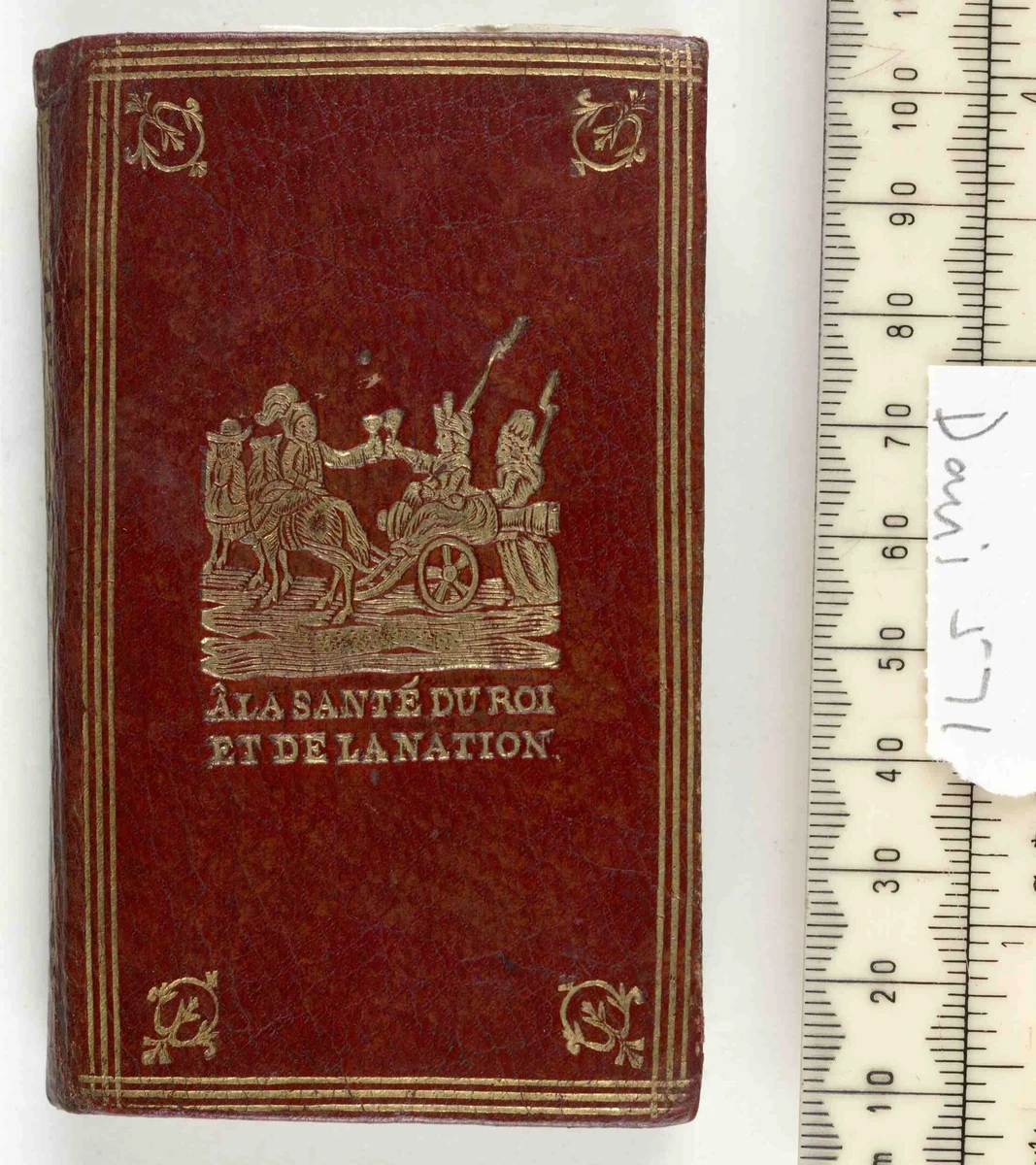 Binding Structures · 01
Anatomy of a Case Binding
A hardback can look solid while relying on several flexible connections. This guide separates the text block, case, and the joint between them, then shows how boards, spine, and endpapers relate as the book opens. Learn what those visible parts can reveal—and why appearance alone is not a repair diagnosis.
Read field note → Binding Structures · 02
Signatures: Reading a Book as Folded Sections
How can I tell how a book was assembled?
Read field note →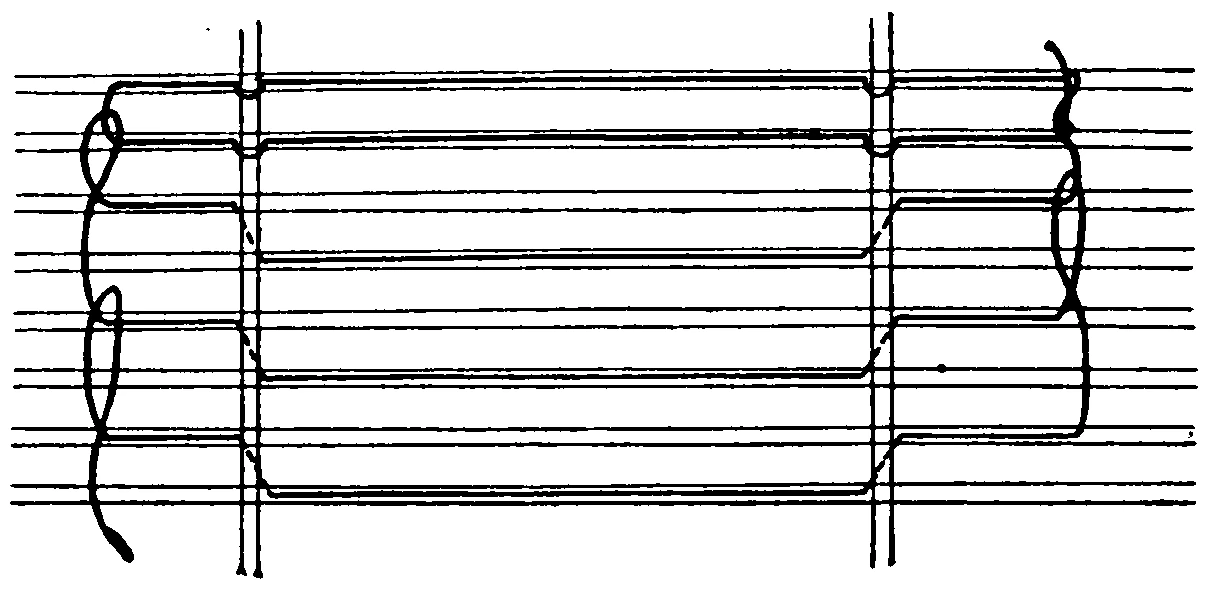 Binding Structures · 03
Sewing Supports and the Work They Do
Why do some old books have cords or tapes across the spine?
Read field note →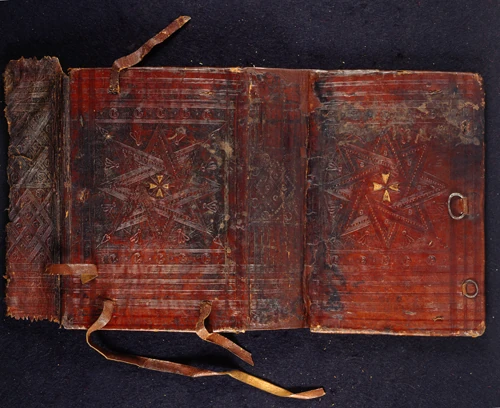 Binding Structures · 04
Coptic Chain Stitch: What the Exposed Pattern Reveals
What makes a Coptic-bound book open so freely?
Read field note →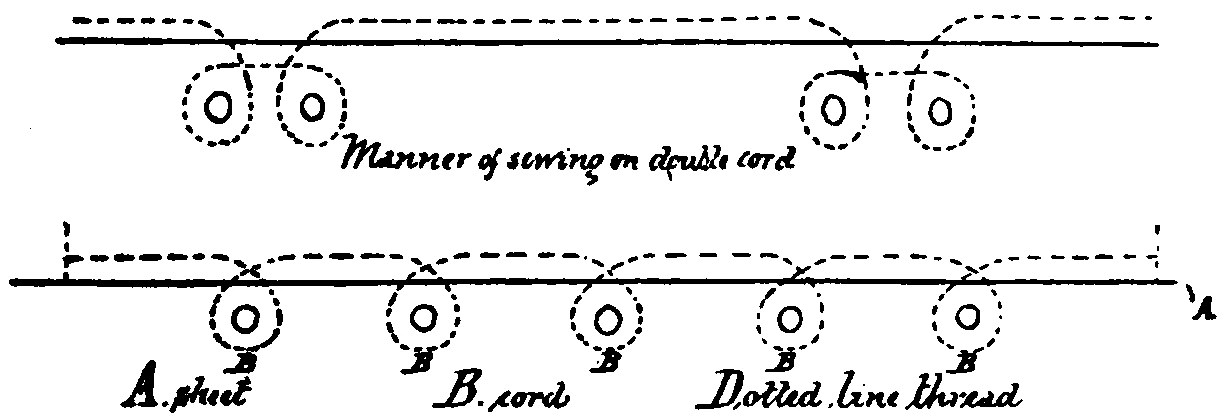 Binding Structures · 05
The Pamphlet Stitch as a Compact Binding Structure
When is a simple sewn booklet structurally appropriate?
Read field note →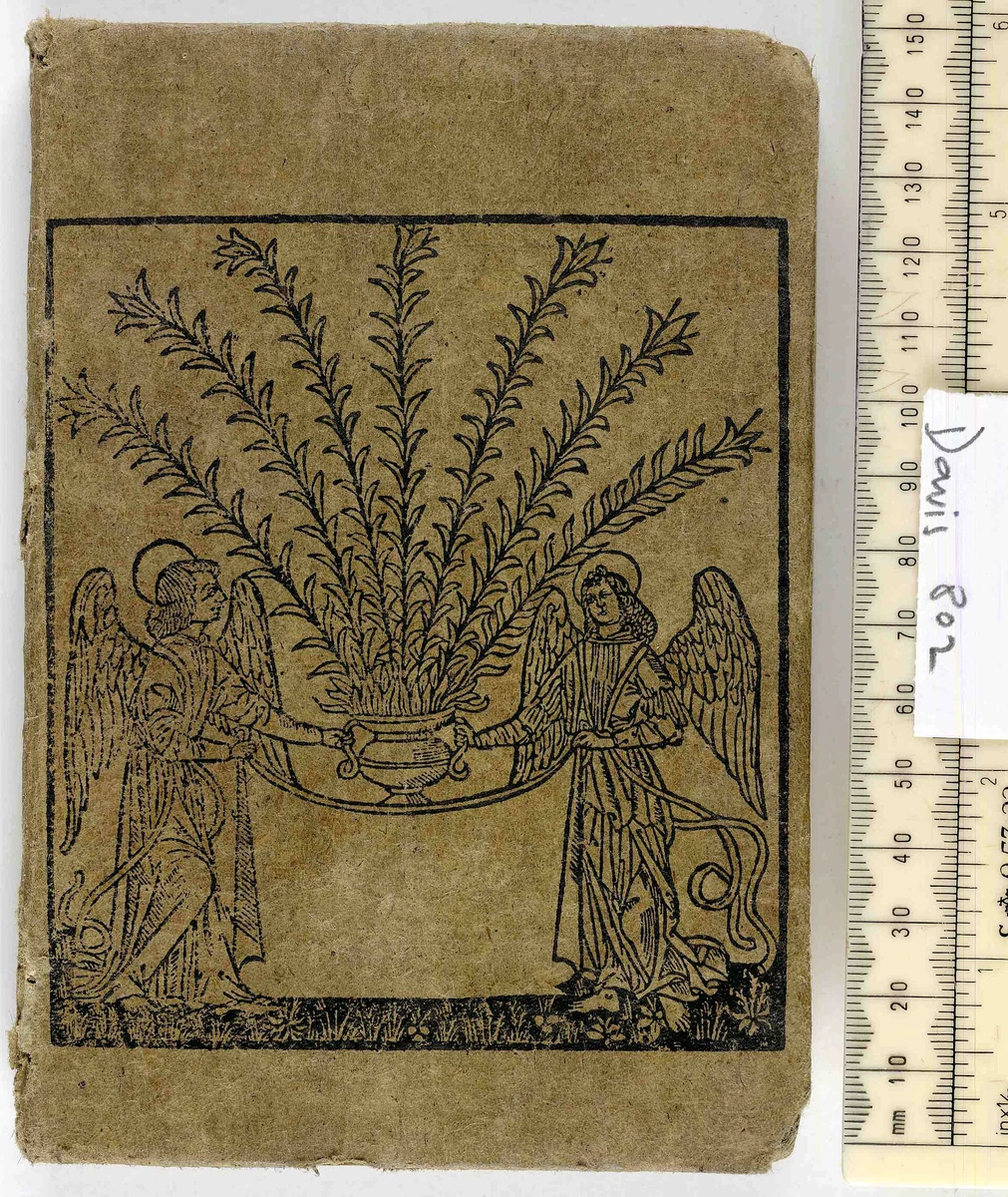 Binding Structures · 06
Long-Stitch Bindings: Sewing Through the Cover
How does a long-stitch binding differ from a case binding?
Read field note →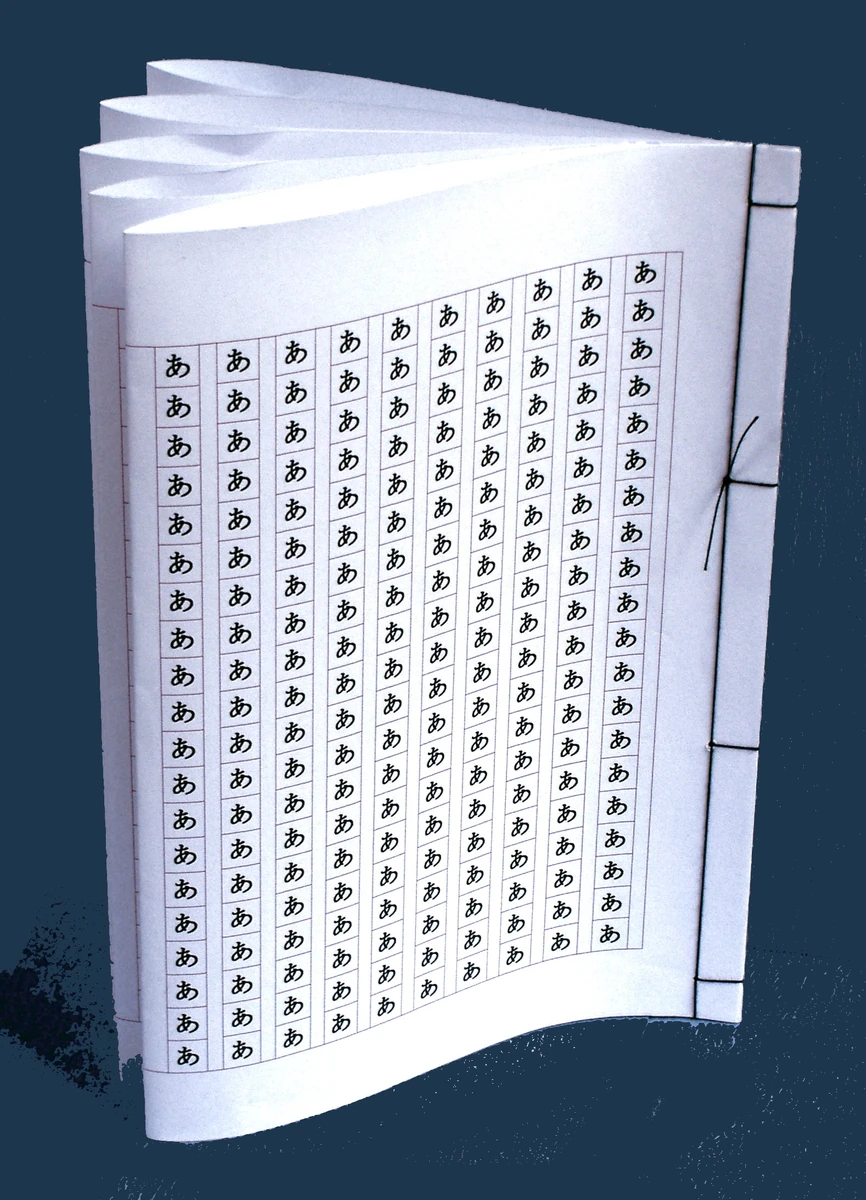 Binding Structures · 07
Japanese Stab Bindings and the Limits of Opening
Why do Japanese stab-bound books open differently?
Read field note →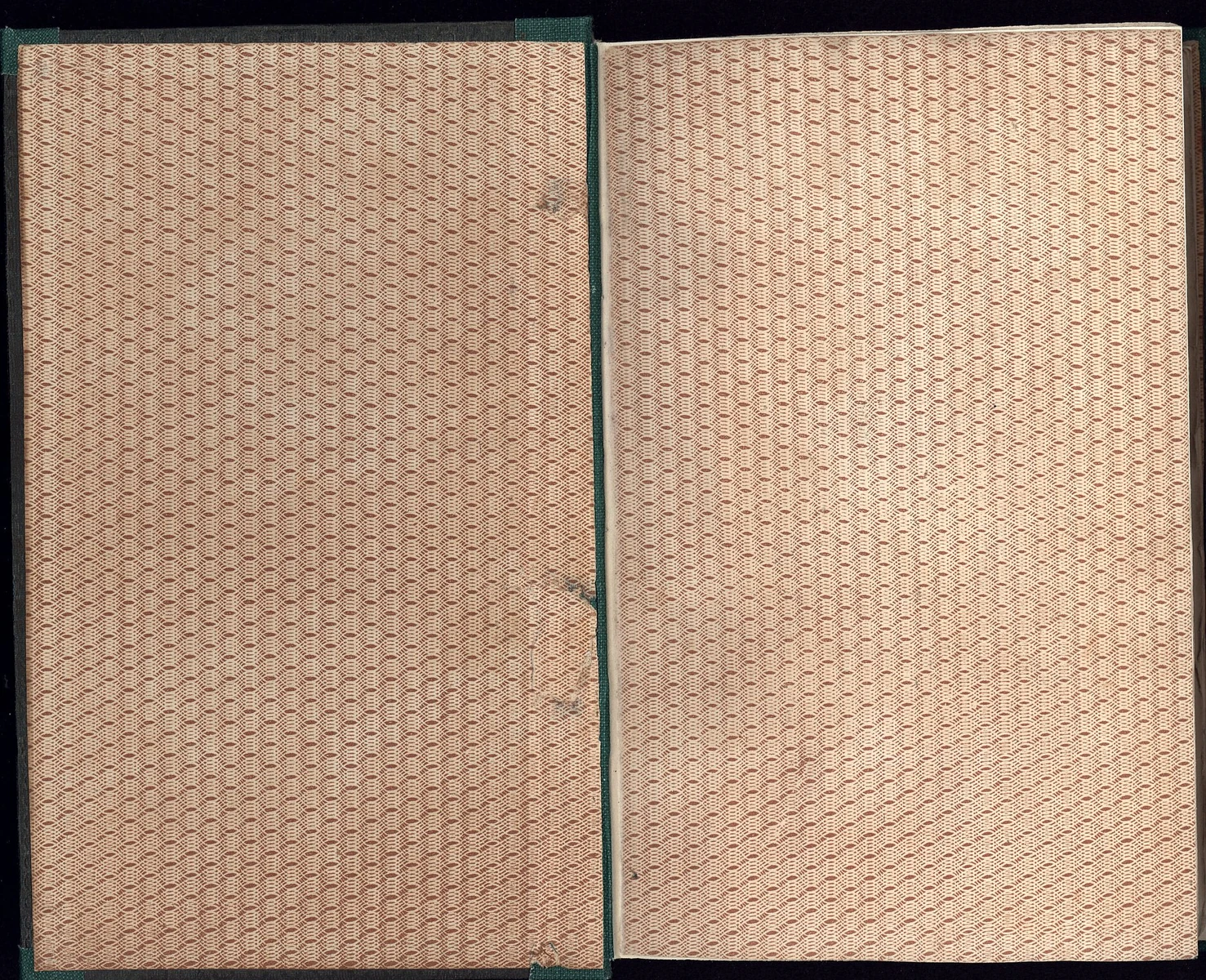 Binding Structures · 08
Endpapers: The Quiet Bridge Between Board and Text
What are endpapers for besides decoration?
Read field note →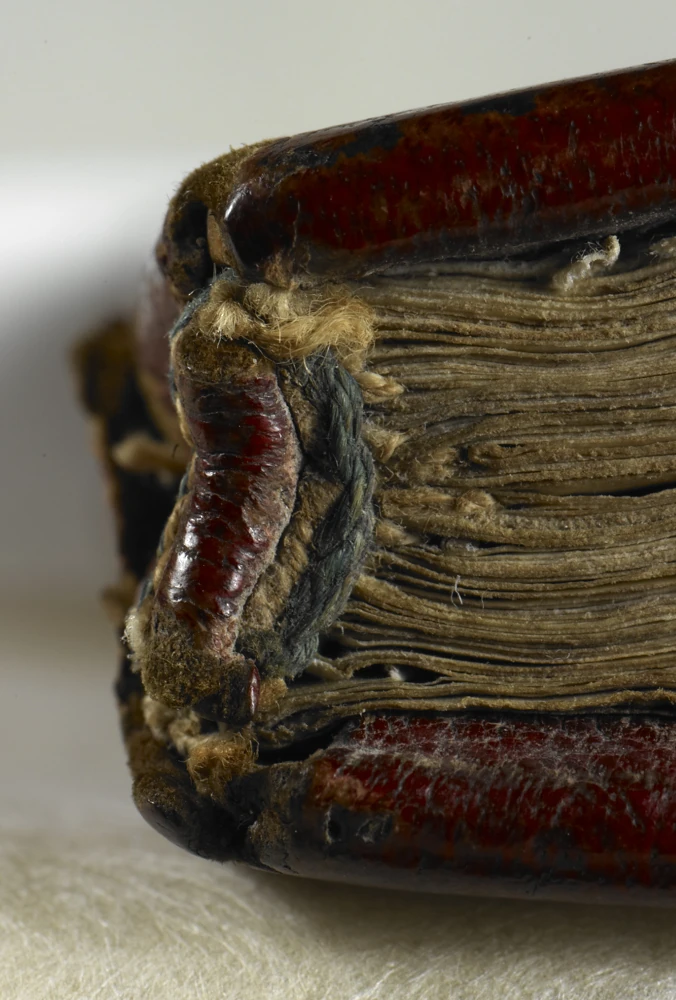 Binding Structures · 09
Headbands: Structure, Signal, and Edge Protection
Are headbands functional or only decorative?
Read field note →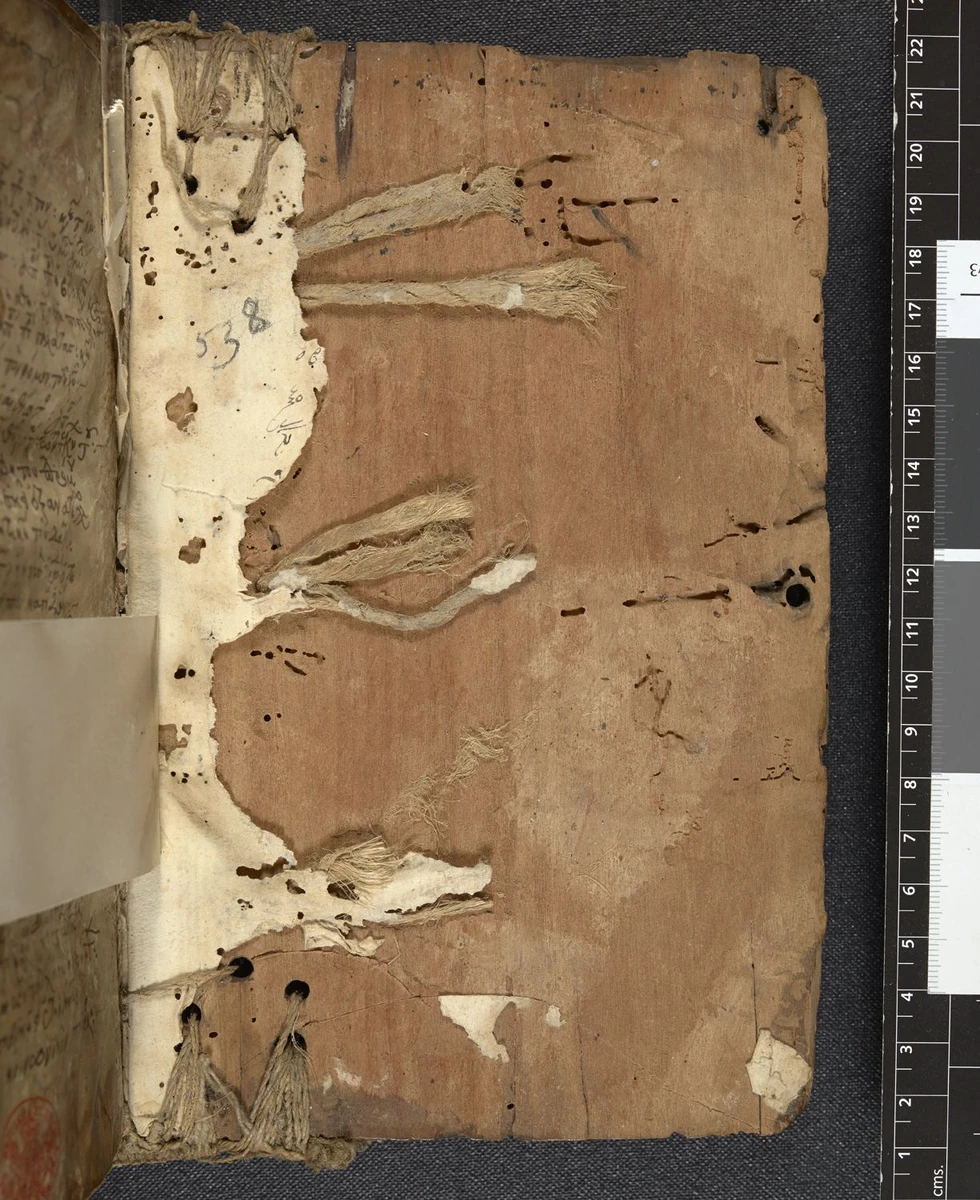 Binding Structures · 10
Spine Linings: Layers That Shape a Book's Motion
What sits under a book's spine covering?
Read field note →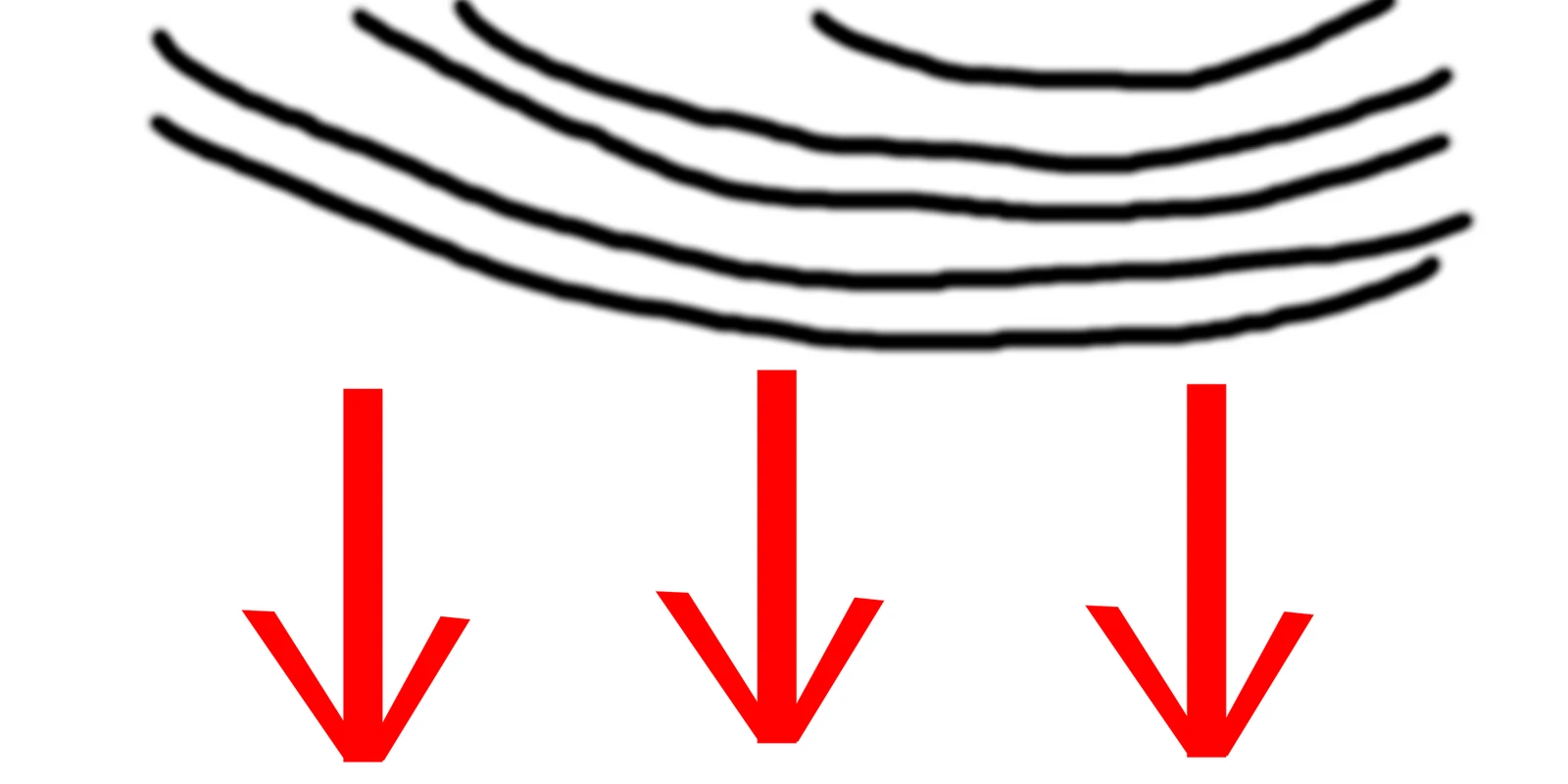 Paper and Grain · 11
Grain Direction: The Orientation Hidden in Every Sheet
Why does paper grain matter when folding or repairing?
Read field note →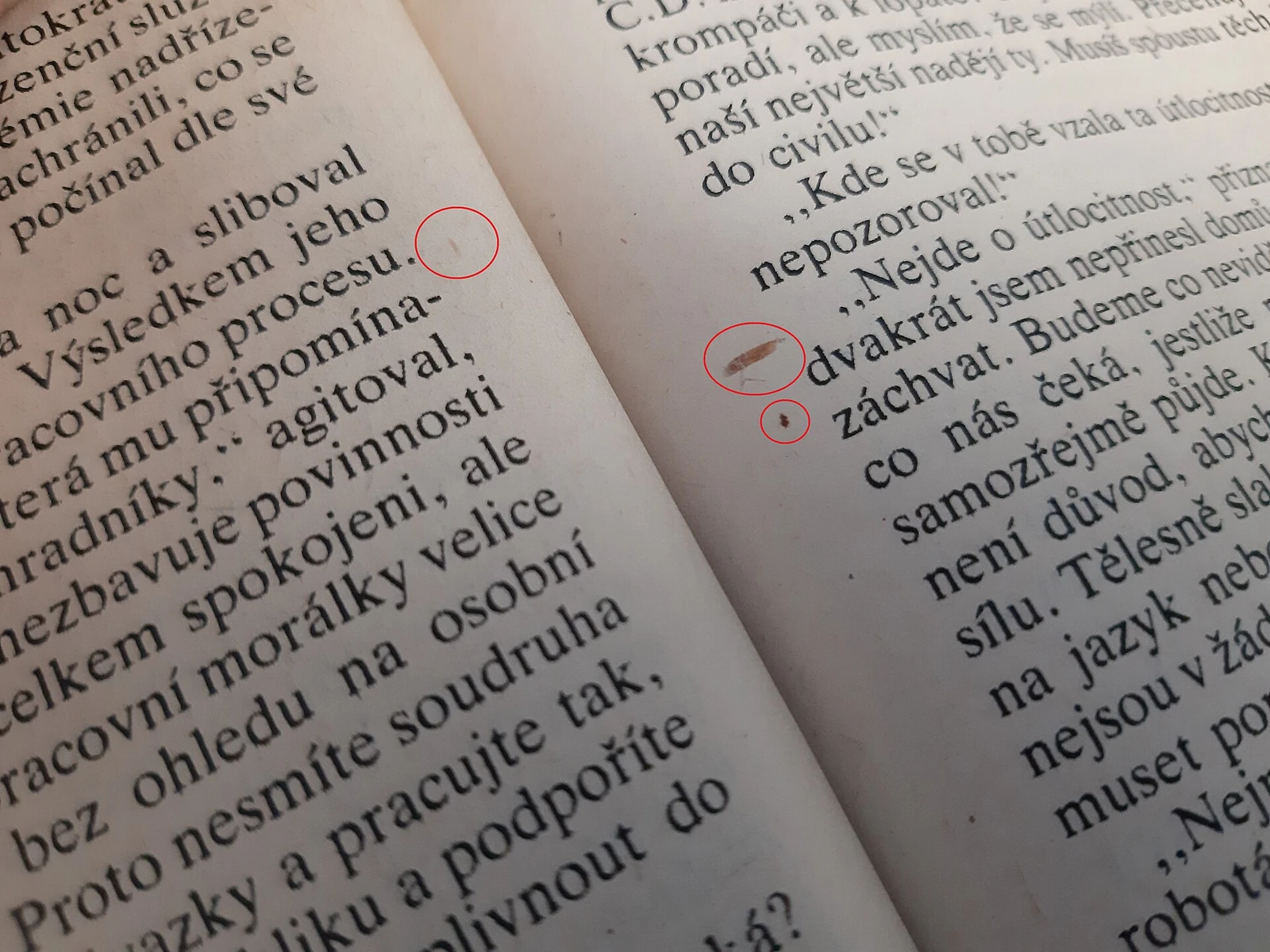 Paper and Grain · 12
Rag Paper and Wood-Pulp Paper: Reading Material Clues
How can I think about paper composition without overclaiming?
Read field note →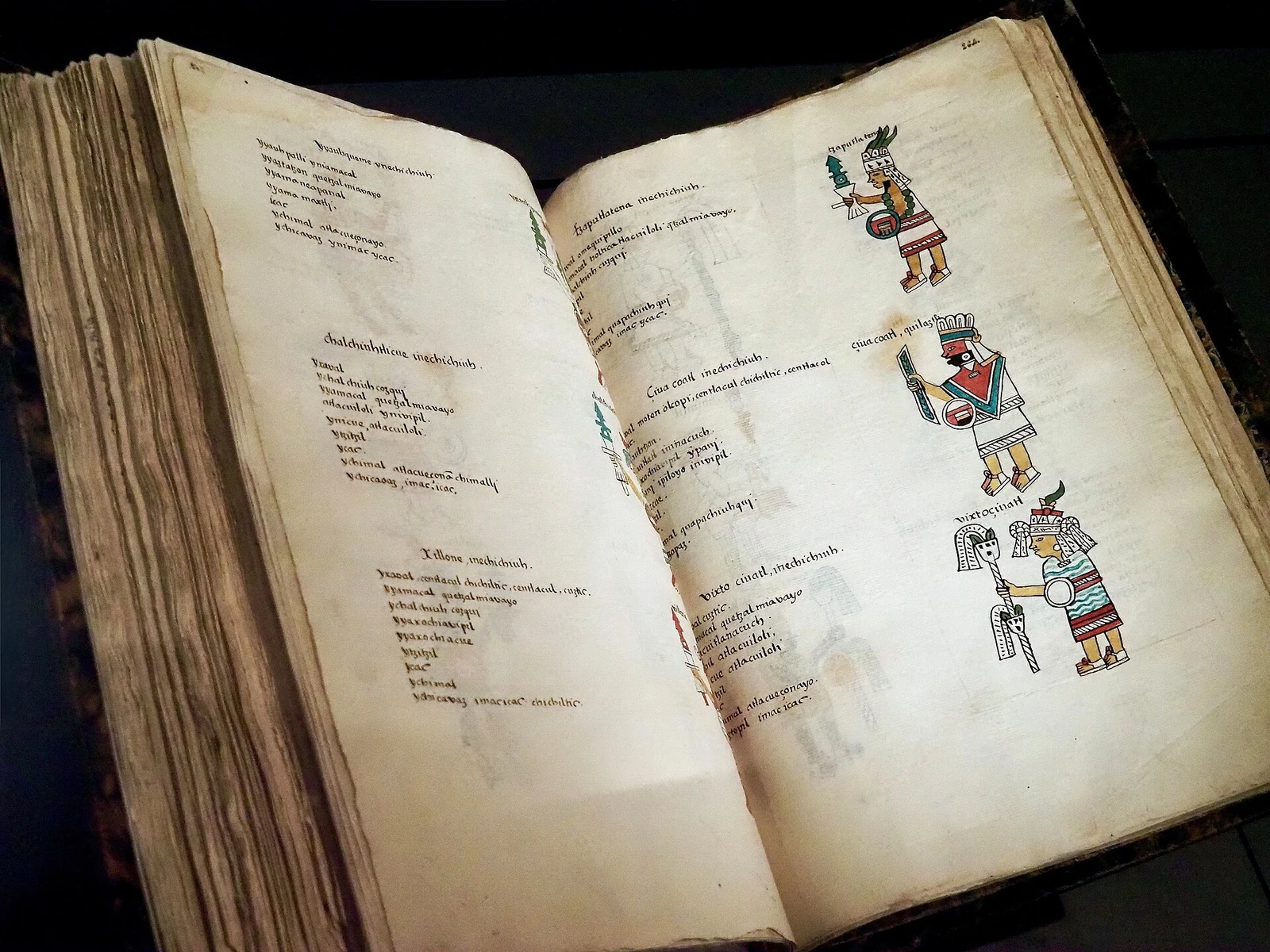 Paper and Grain · 13
Sizing in Paper: Why a Sheet Takes Ink Differently
What does paper sizing change?
Read field note →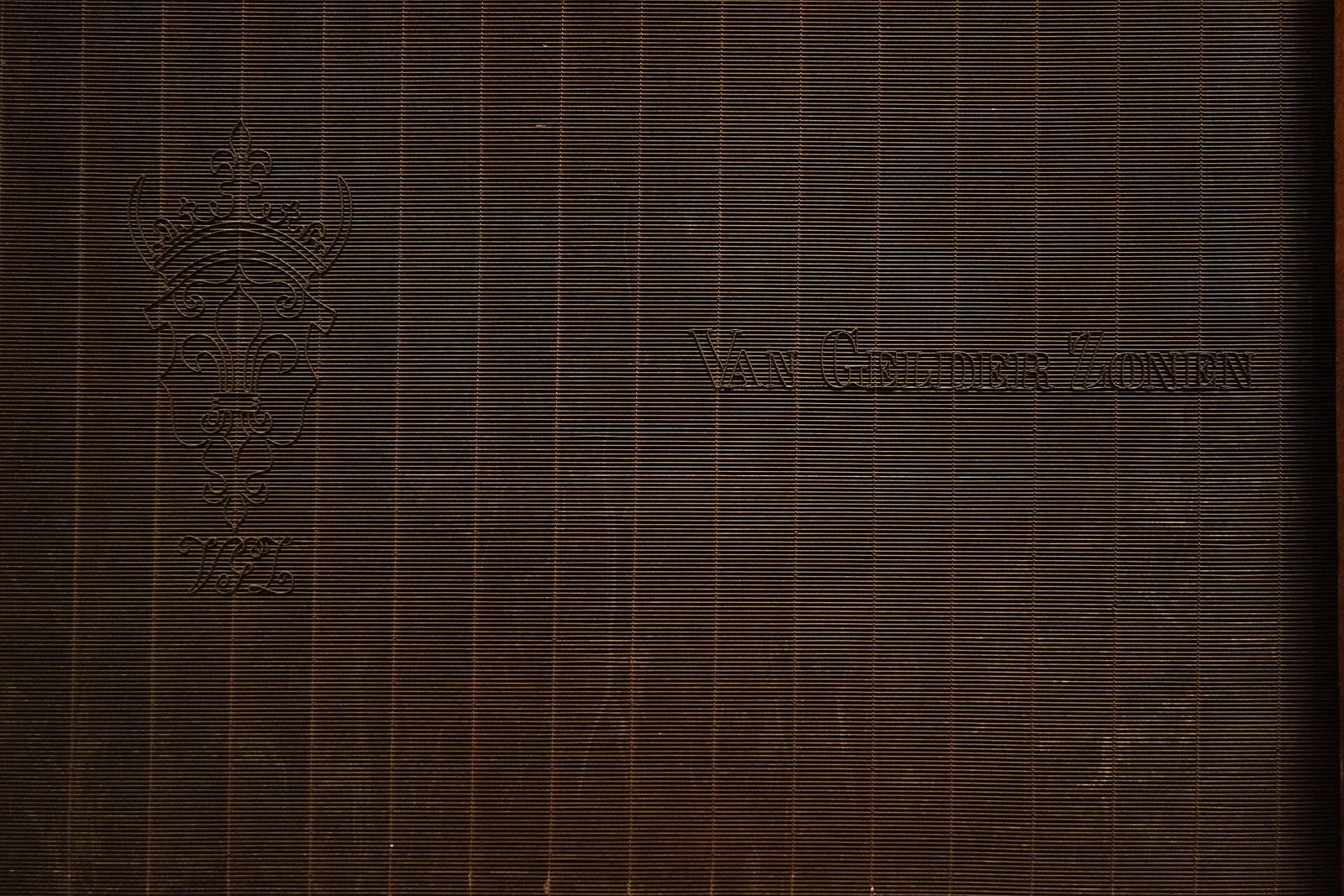 Paper and Grain · 14
Laid Paper: Lines, Chain Lines, and Making Evidence
What do the lines in laid paper mean?
Read field note →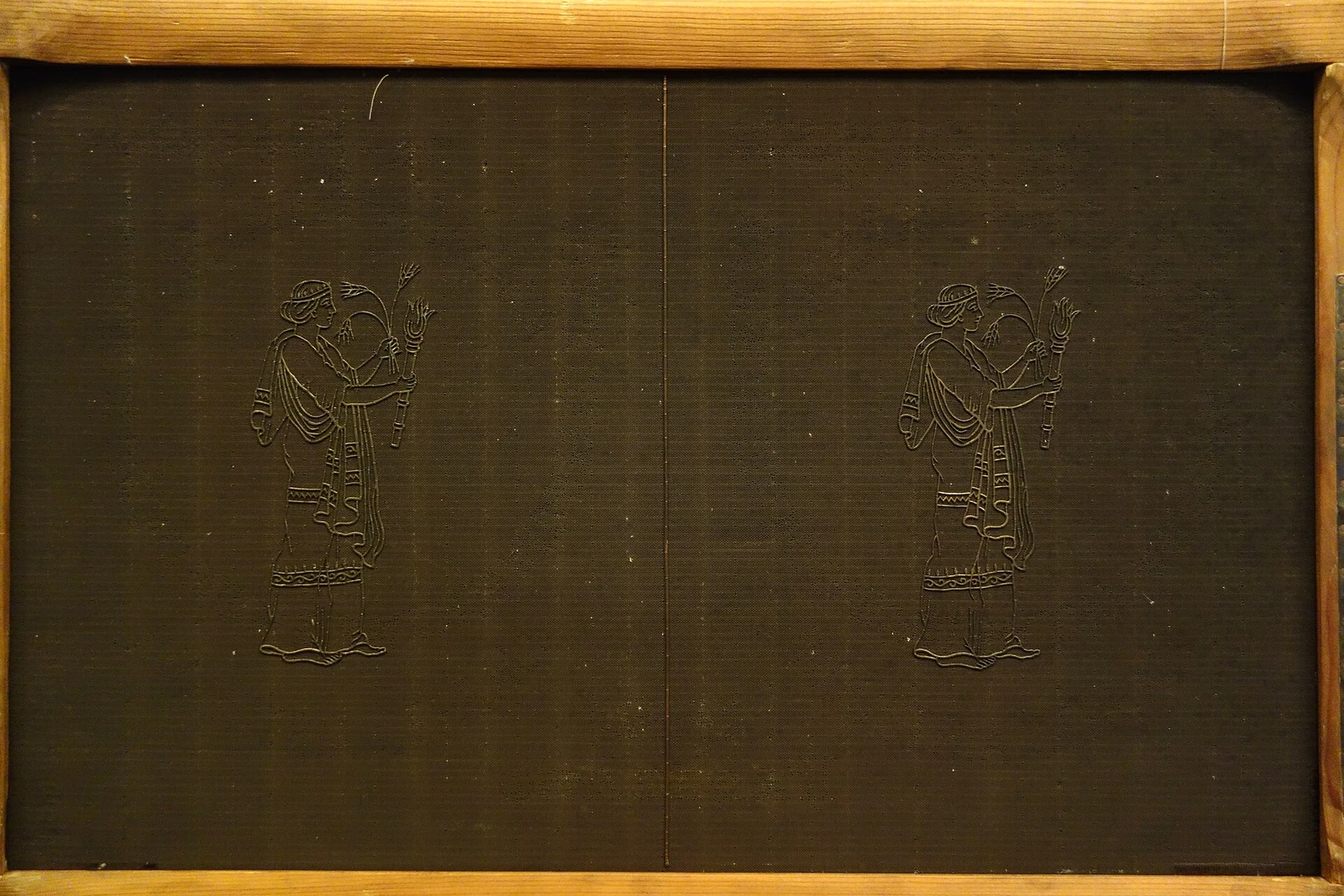 Paper and Grain · 15
Wove Paper and the Smooth Surface of Industrial Change
Why does wove paper look different from laid paper?
Read field note →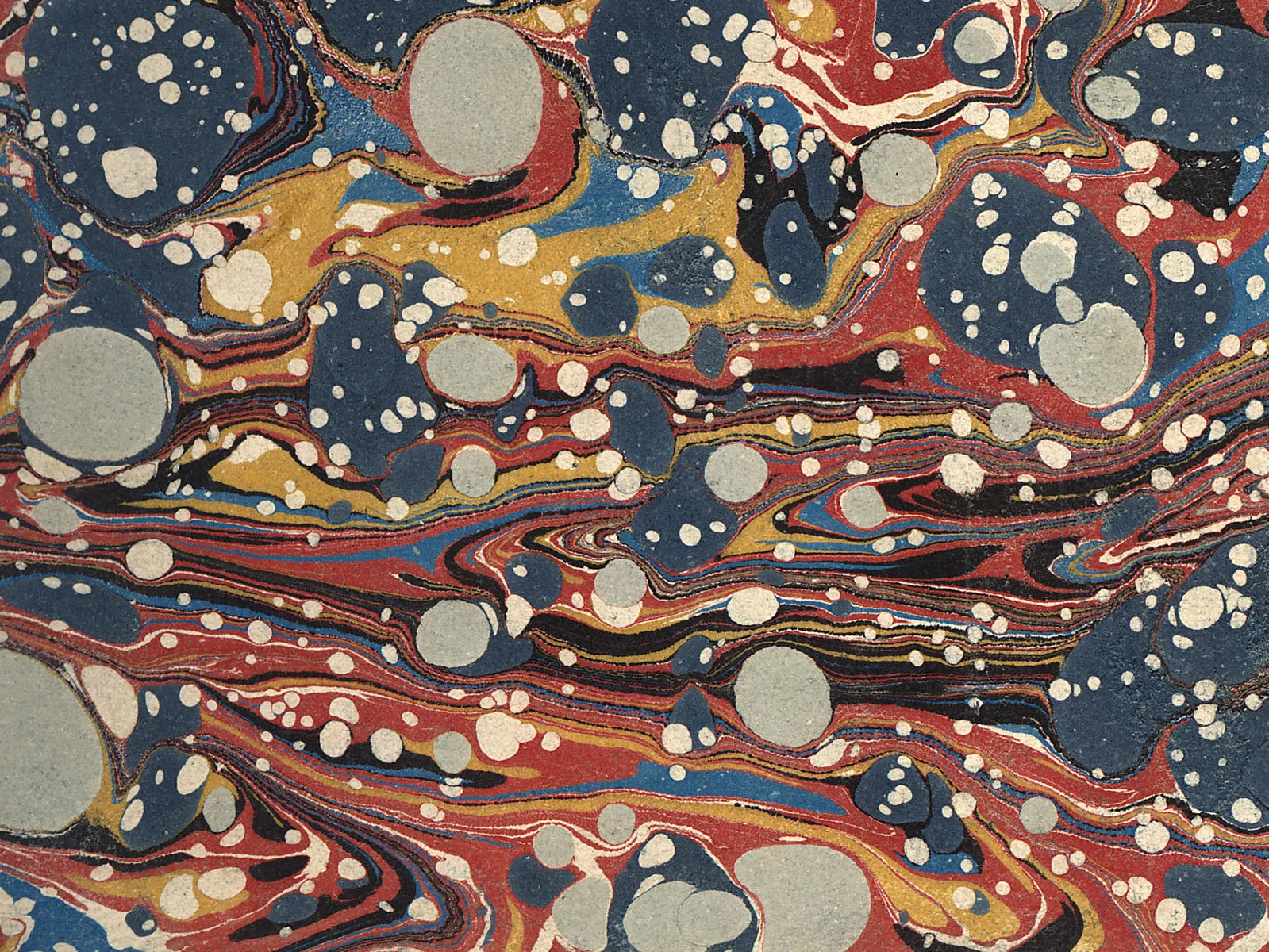 Paper and Grain · 16
Marbled Paper: Pattern, Use, and Responsible Care
How should I look after marbled endpapers?
Read field note →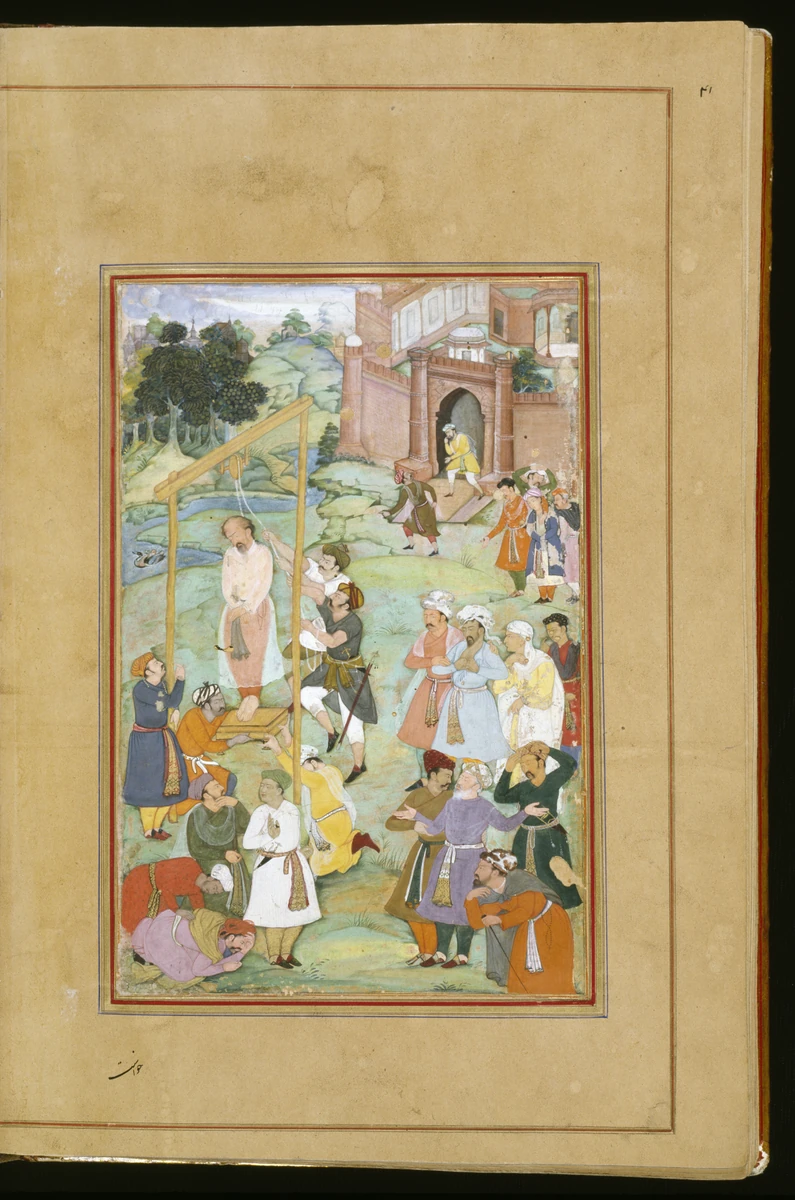 Paper and Grain · 17
Ink Meets Paper: Reading Without Testing
How can I assess ink and paper safely?
Read field note →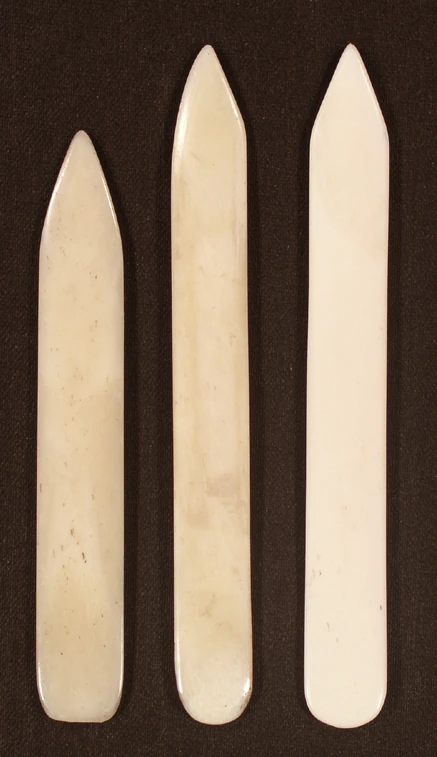 Tool Bench · 18
The Bone Folder: A Tool for Controlled Folds
What does a bone folder actually do?
Read field note →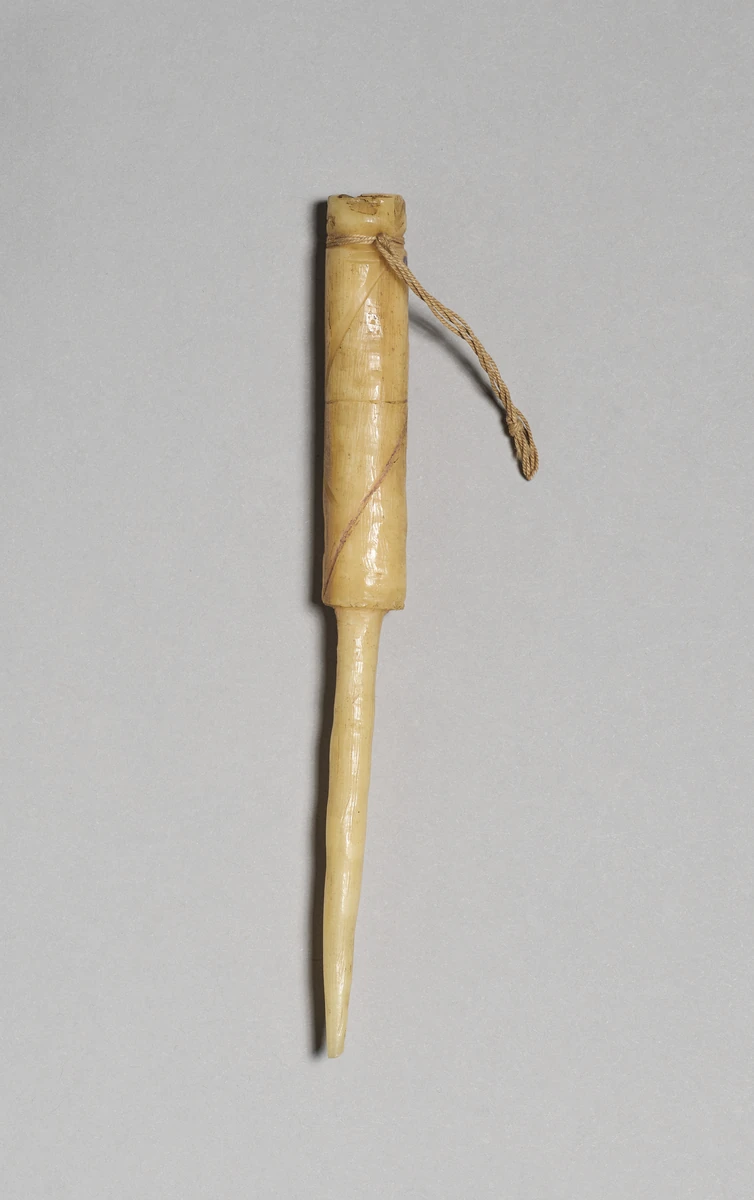 Tool Bench · 19
Awls and Sewing Stations: Making Holes With Intention
How do binders plan sewing holes?
Read field note →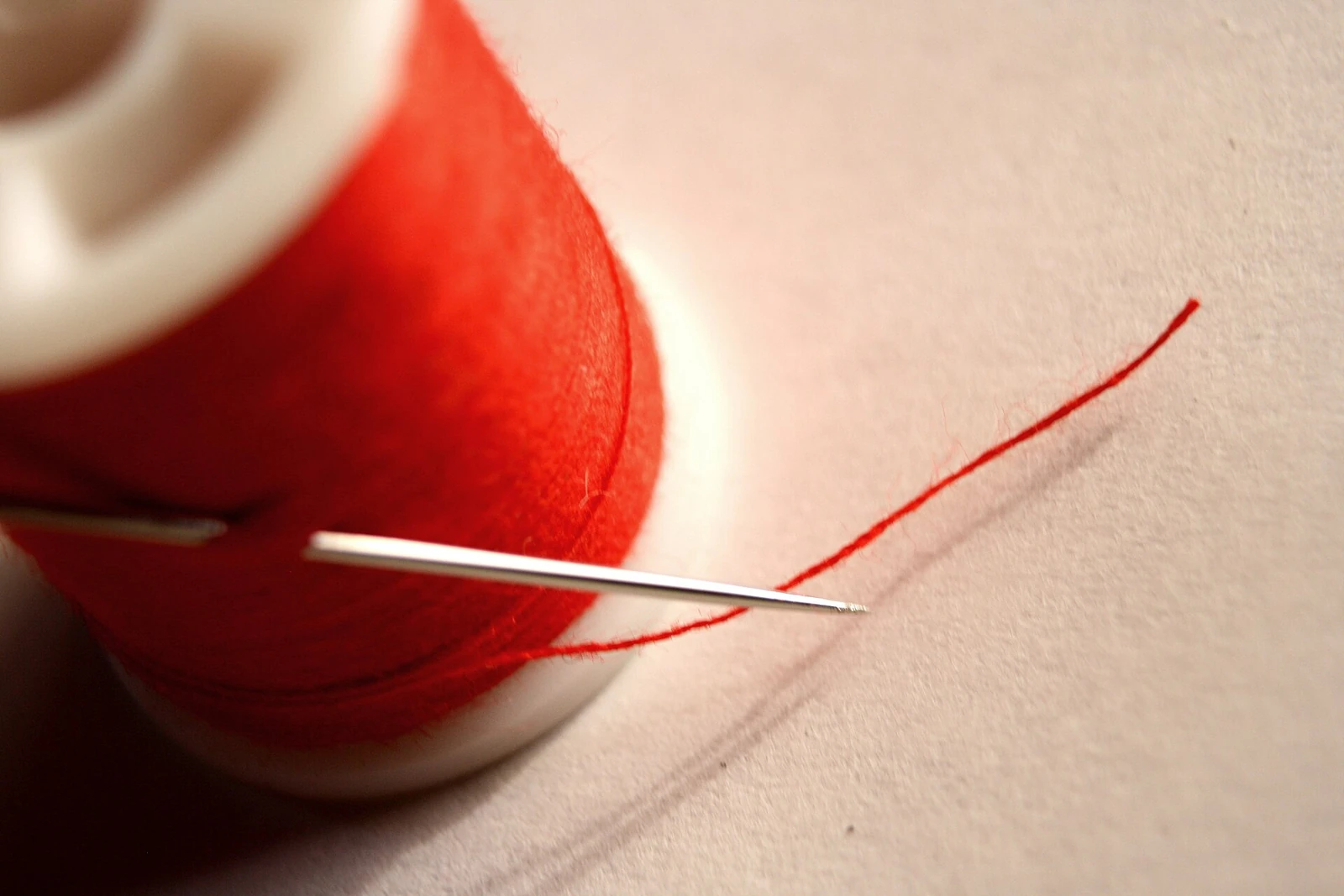 Tool Bench · 20
Bookbinding Needles: Size, Point, and Thread Path
Why does needle choice matter in hand sewing?
Read field note →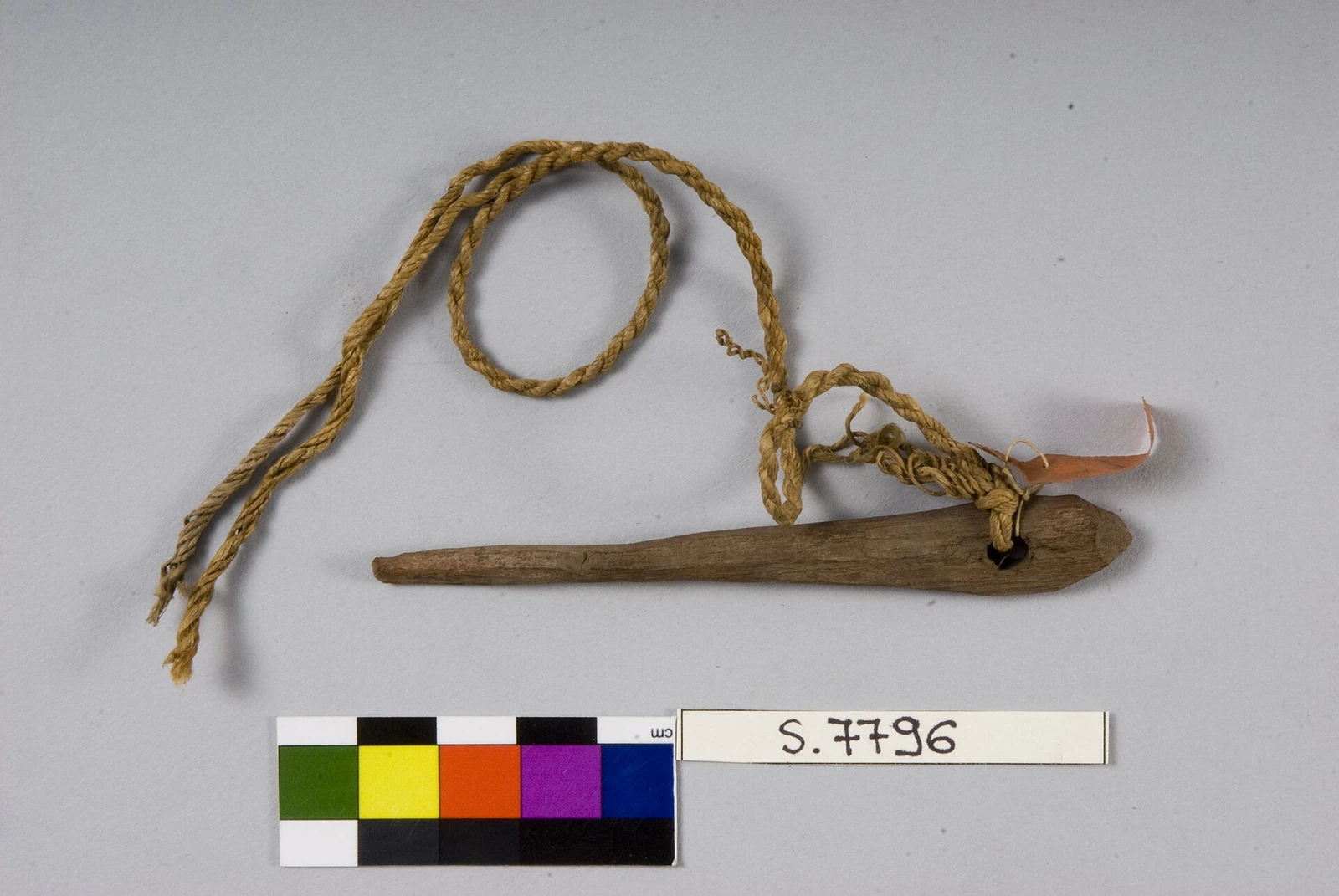 Tool Bench · 21
Linen Thread: Strength, Twist, and Book Sewing
What should I notice about thread in a binding?
Read field note →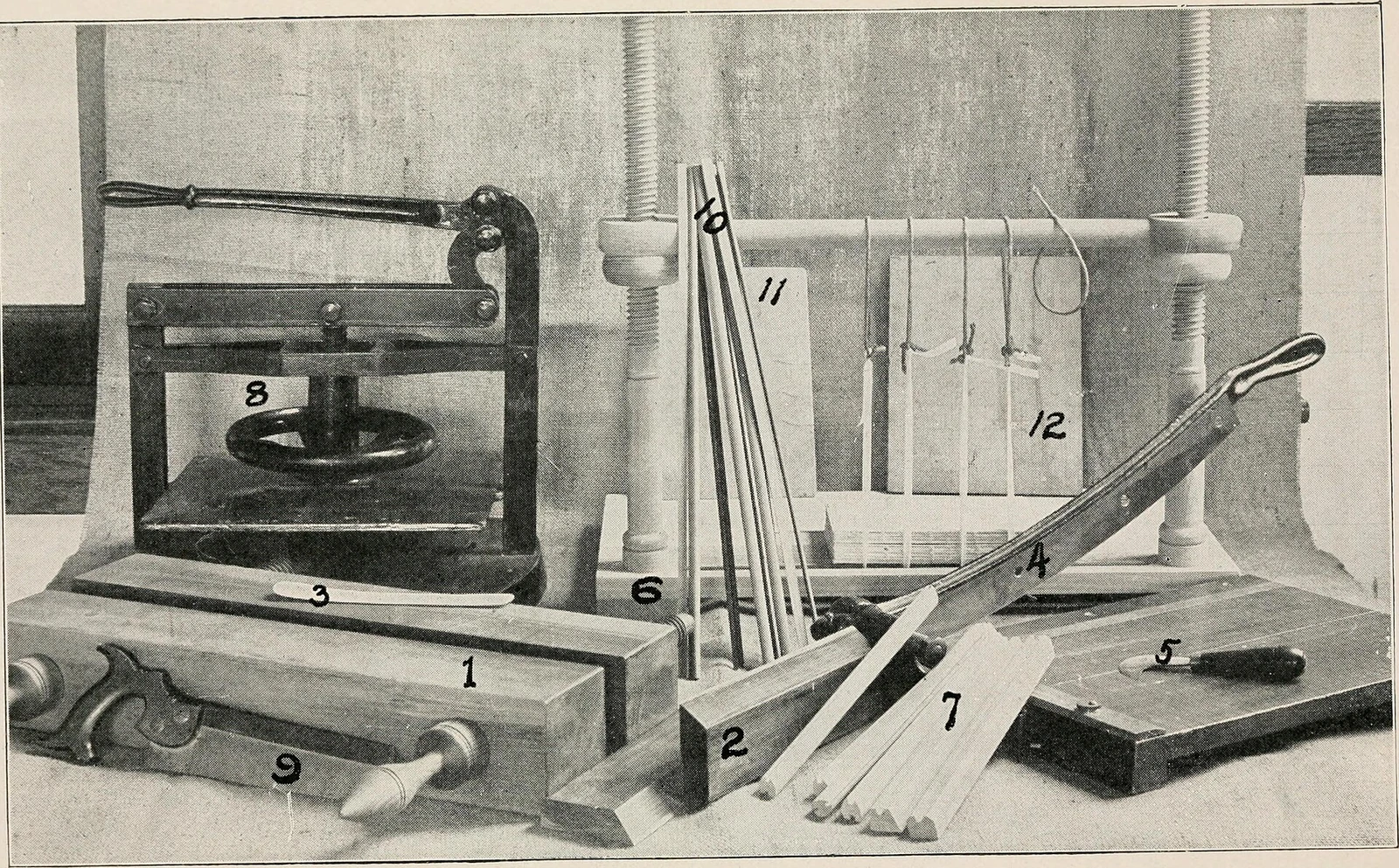 Tool Bench · 22
Adhesives in Book Work: Reversibility Starts With Restraint
Why are household glues risky on books?
Read field note →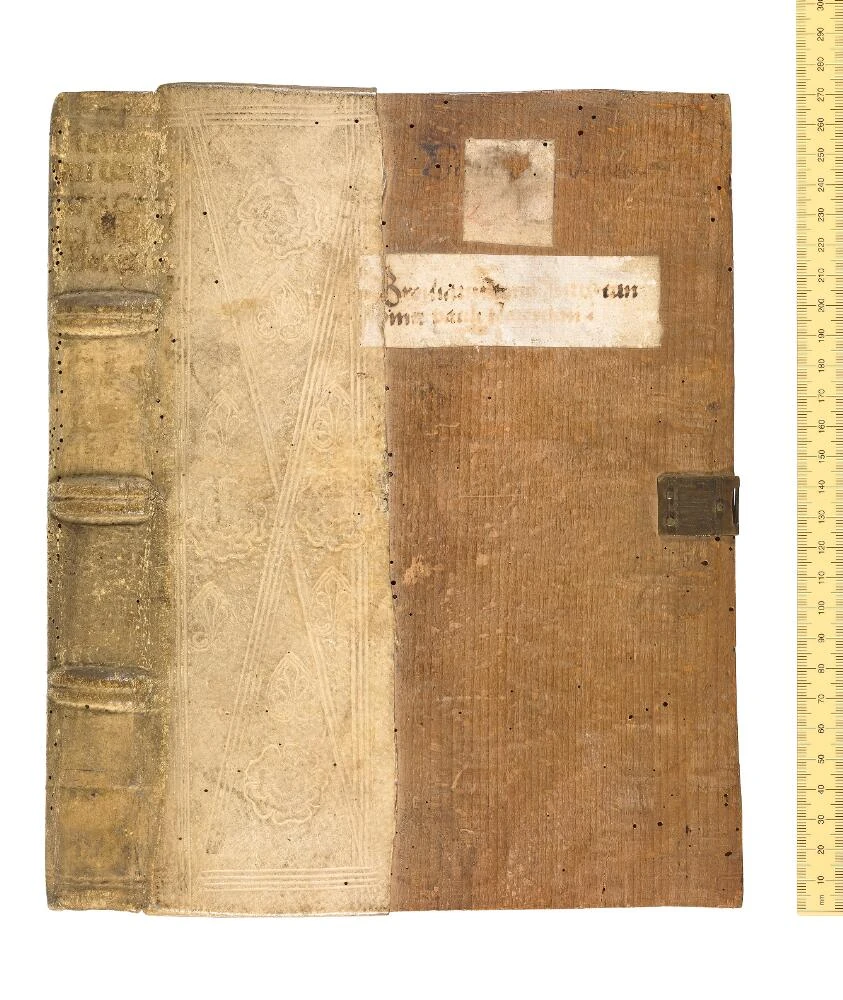 Tool Bench · 23
Boards and Covers: Stiffness Is Not the Whole Story
How do boards influence a book's durability?
Read field note →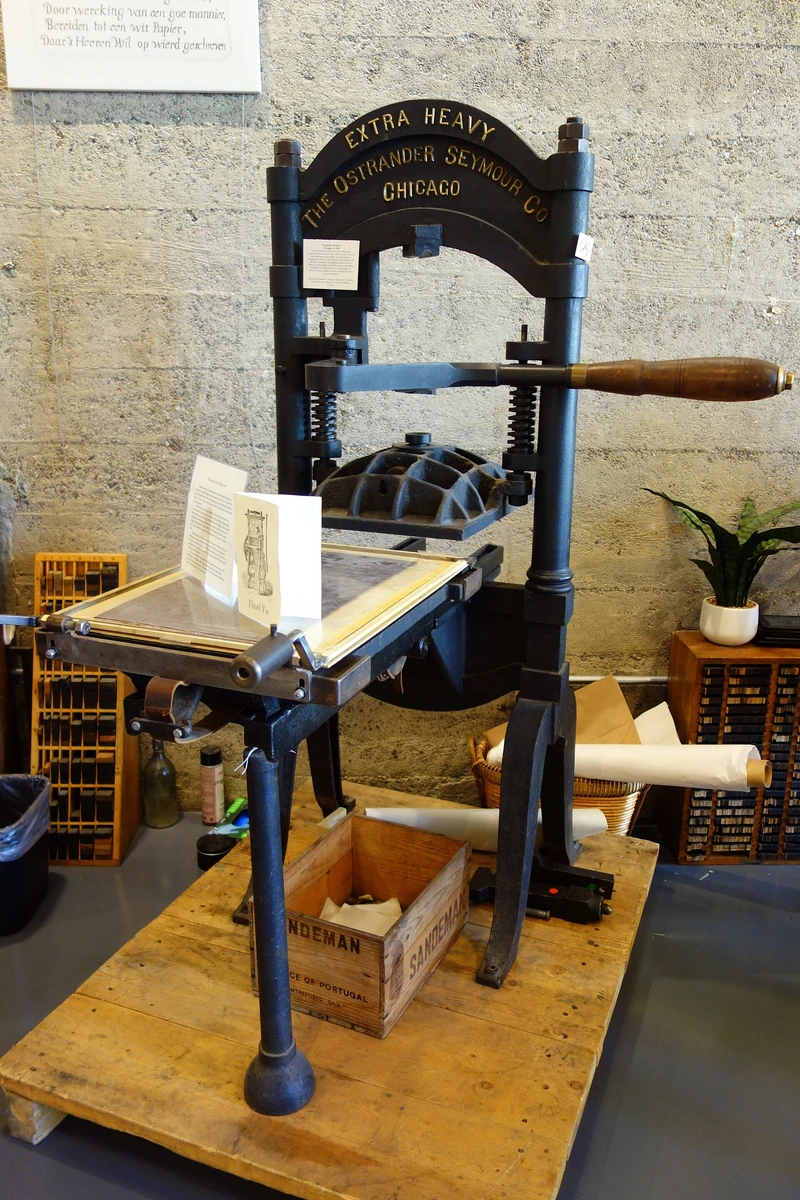 Tool Bench · 24
The Book Press: Pressure, Time, and Flatness
What is a book press for?
Read field note →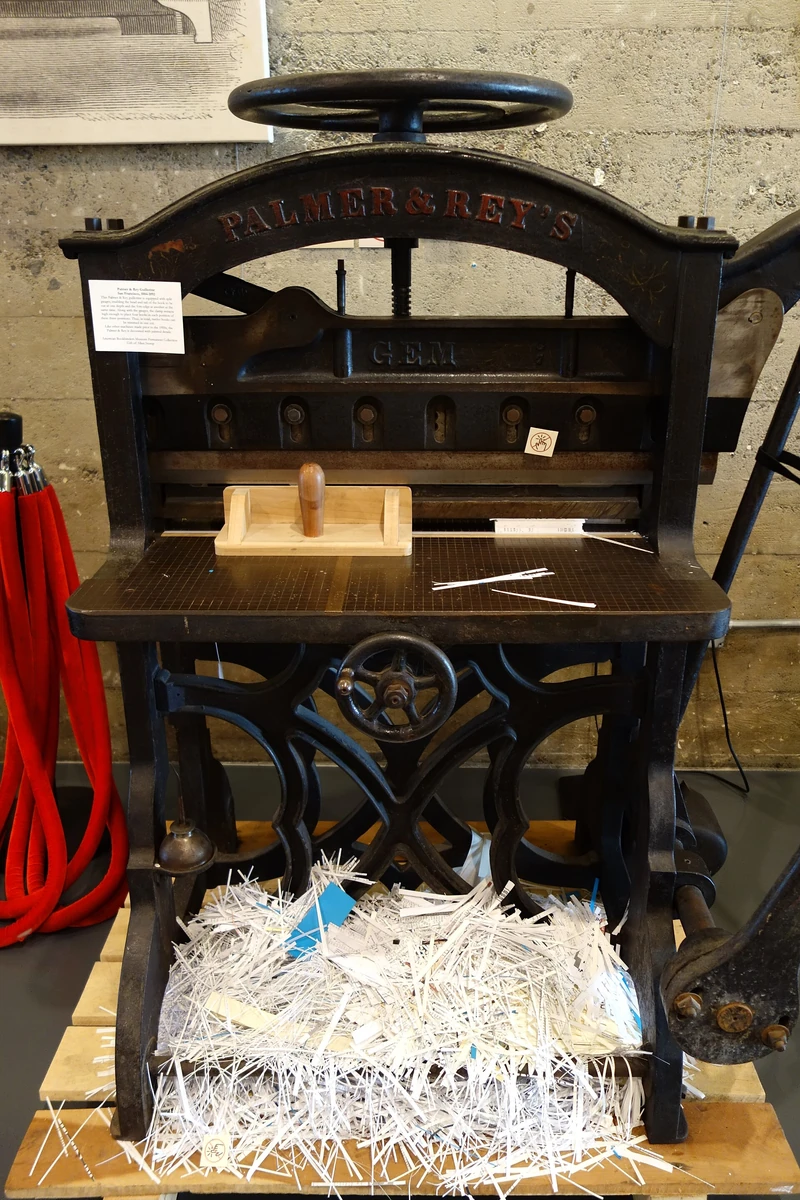 Tool Bench · 25
Cutting and Folding: Why a Clean Edge Begins Before the Knife
How can I make more accurate folds and cuts?
Read field note →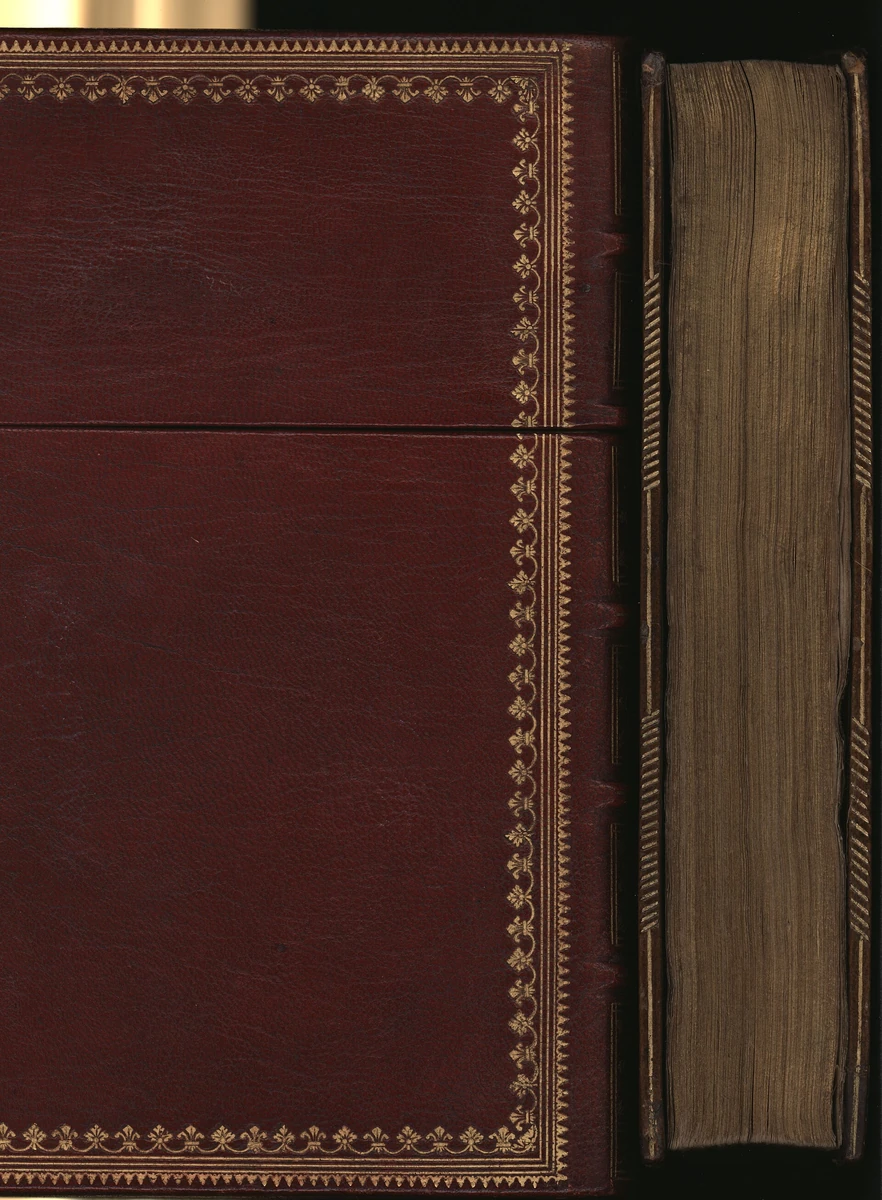 Conservation Notes · 26
Storage Boxes: Giving a Book Its Own Micro-Environment
When does a book need a protective enclosure?
Read field note →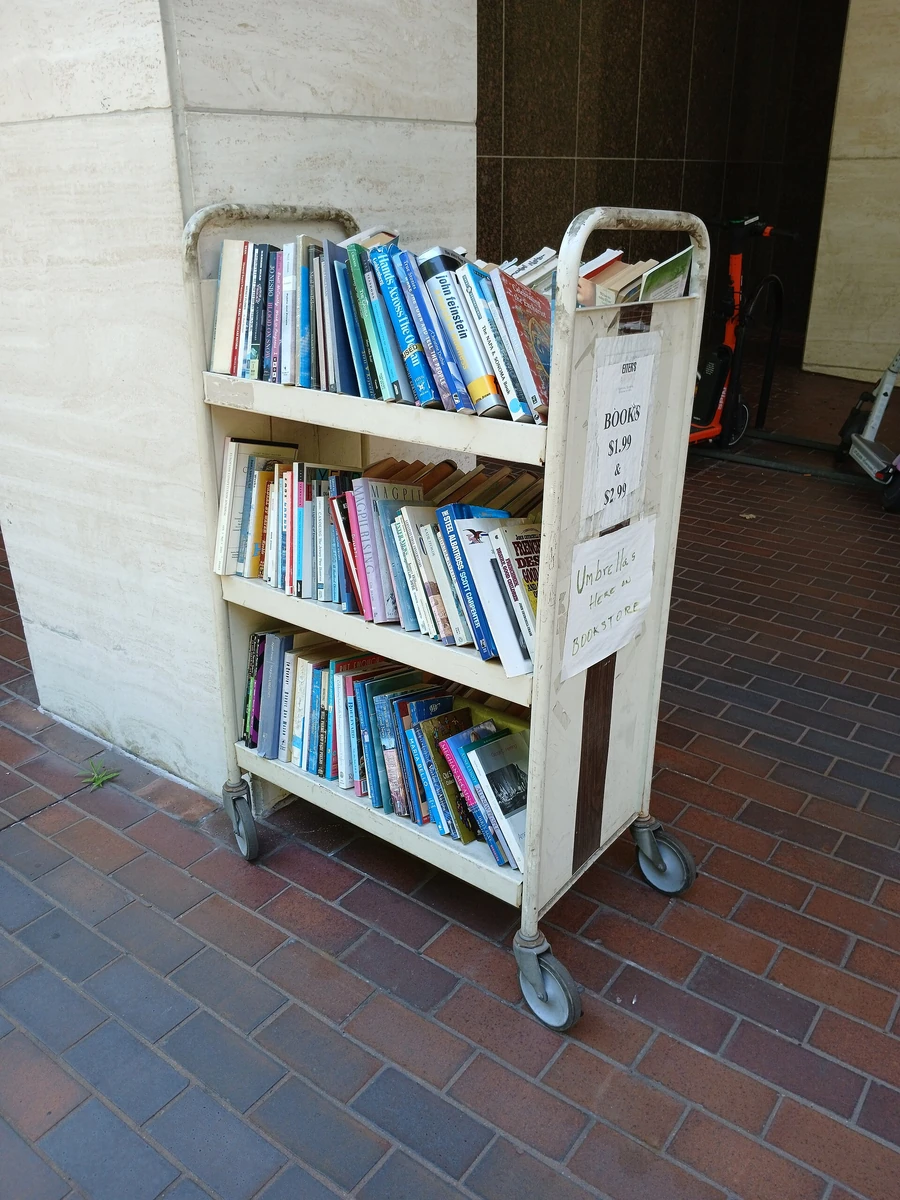 Conservation Notes · 27
Shelving Books Without Pulling at the Headcap
What is the safest way to remove a book from a shelf?
Read field note →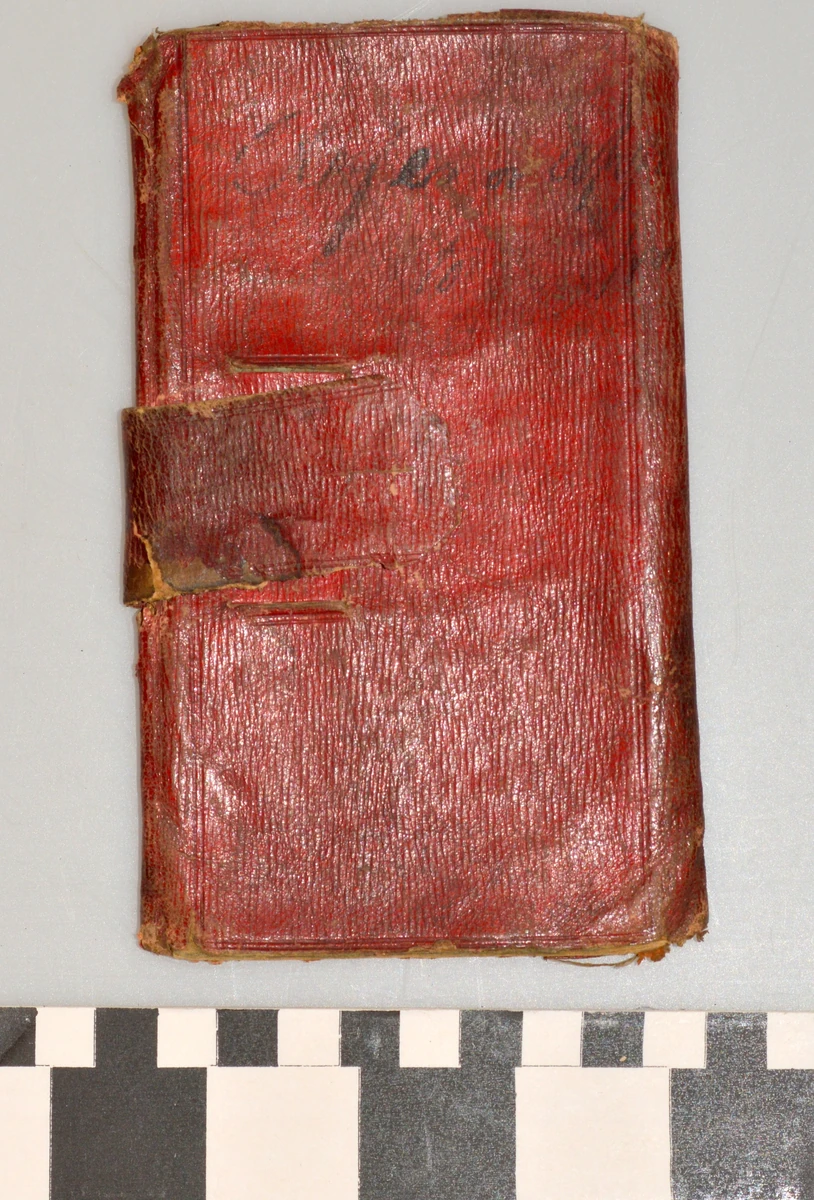 Conservation Notes · 28
Red Rot: When Leather Surfaces Turn Powdery
What should I do if a leather binding leaves red dust?
Read field note →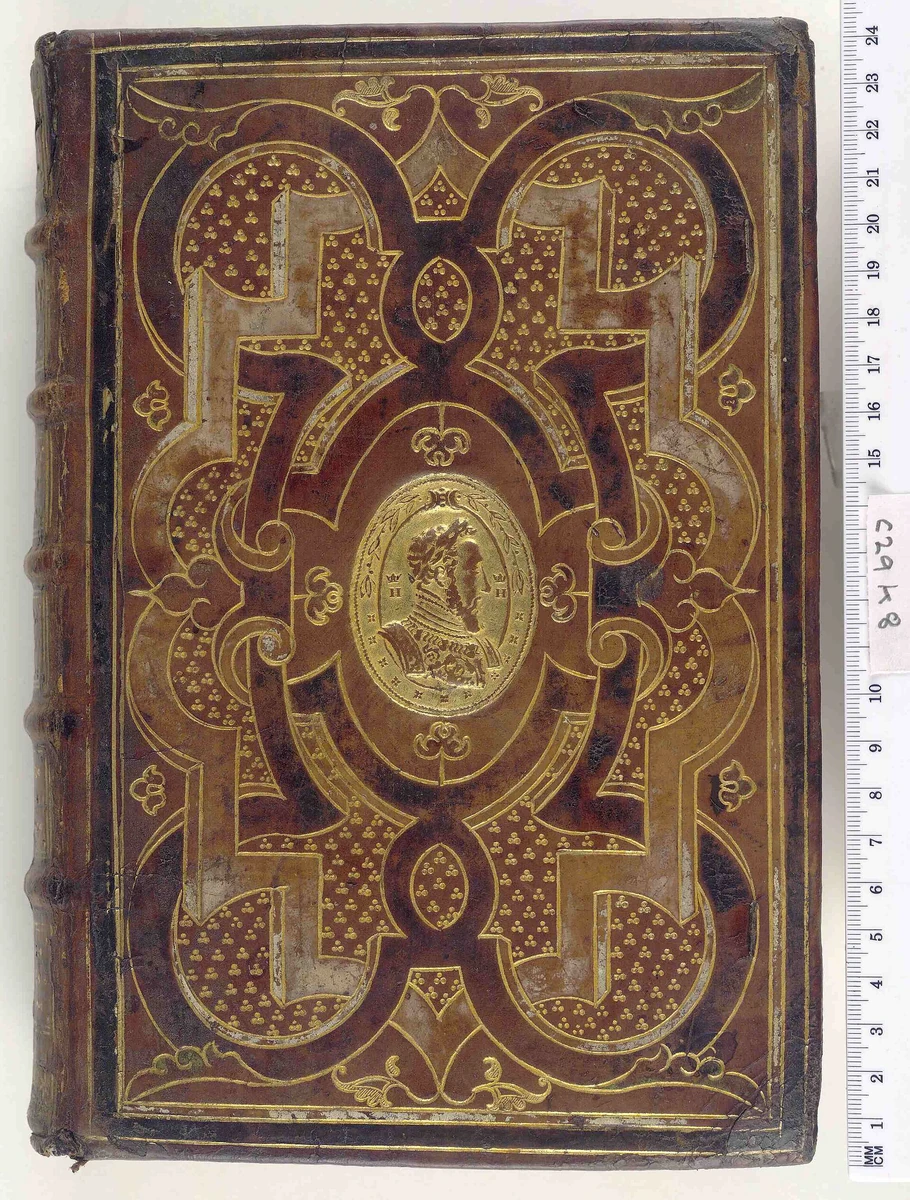 Conservation Notes · 29
A Detached Cover Is a Structural Question
Should I glue a detached book cover back on?
Read field note →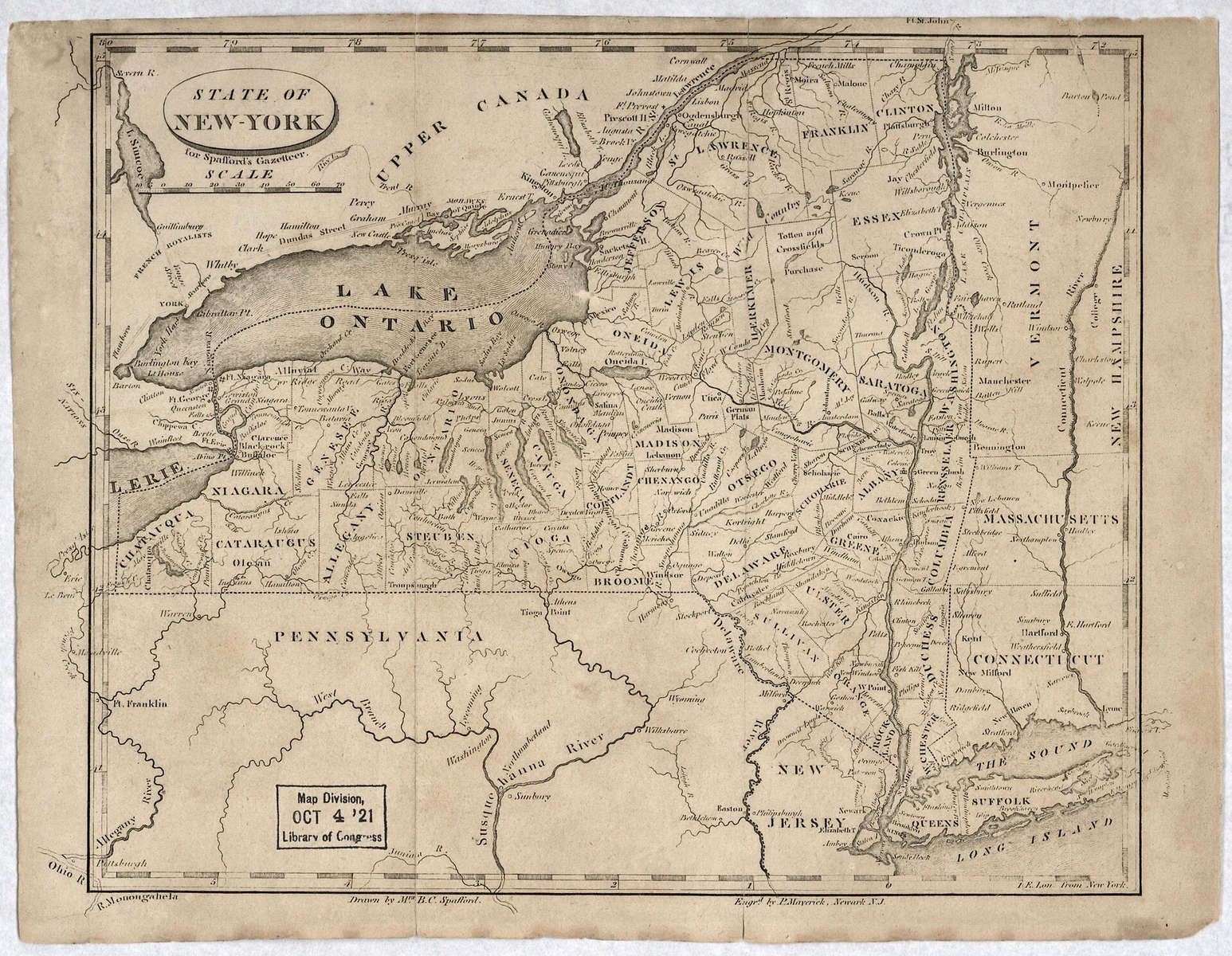 Conservation Notes · 30
Brittle Paper: Choosing Support Over Repair
How should I handle pages that crack when turned?
Read field note →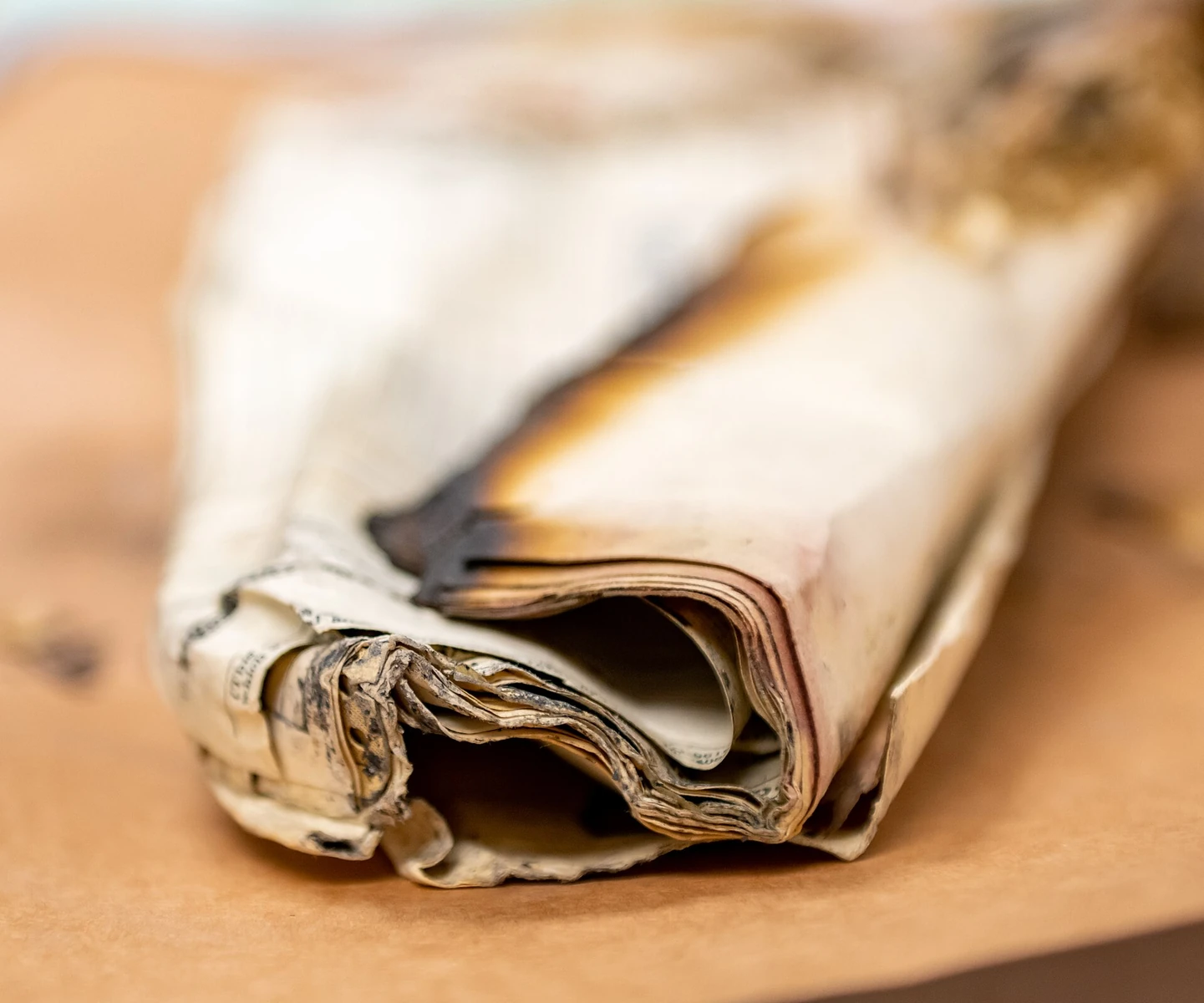 Conservation Notes · 31
Mold on Books: Recognize the Limit of DIY Care
What is the safe first response to suspected mold?
Read field note → Conservation Notes · 32
Light Damage: Why Display Is a Conservation Decision
Why do book covers and paper fade near windows?
Read field note →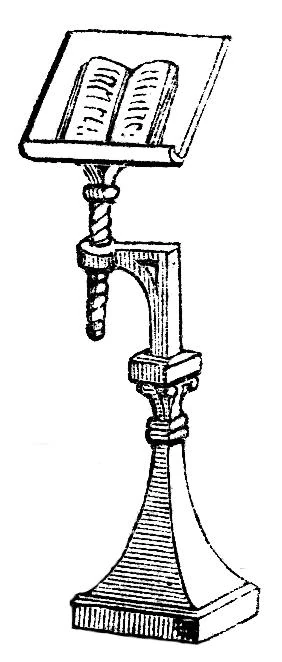 Archive Visits · 33
Book Cradles for Digitization and Study
Why are fragile books photographed in cradles?
Read field note →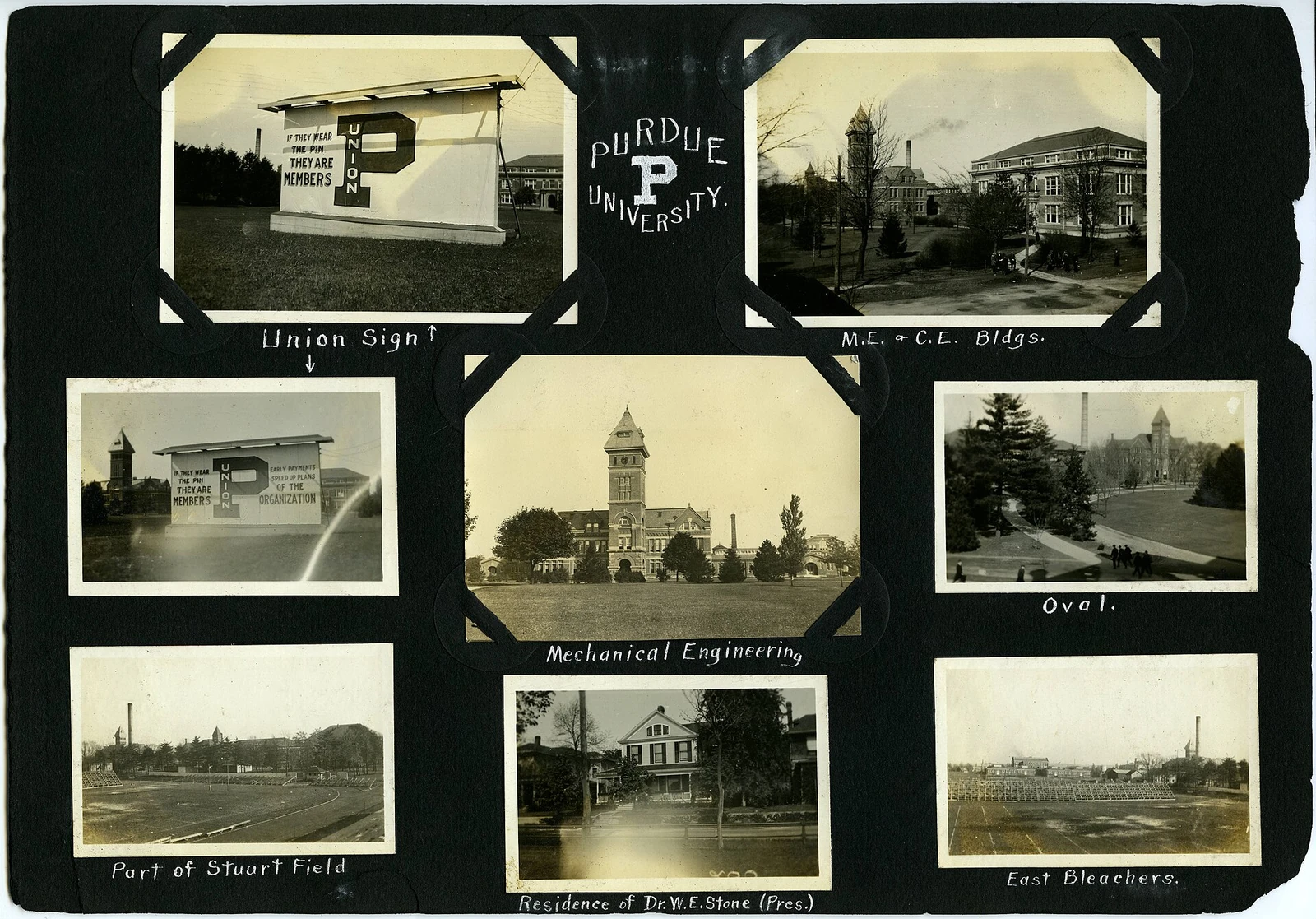 Archive Visits · 34
Albums and Scrapbooks: Layers That Need Their Own Plan
Why are old albums difficult to house?
Read field note →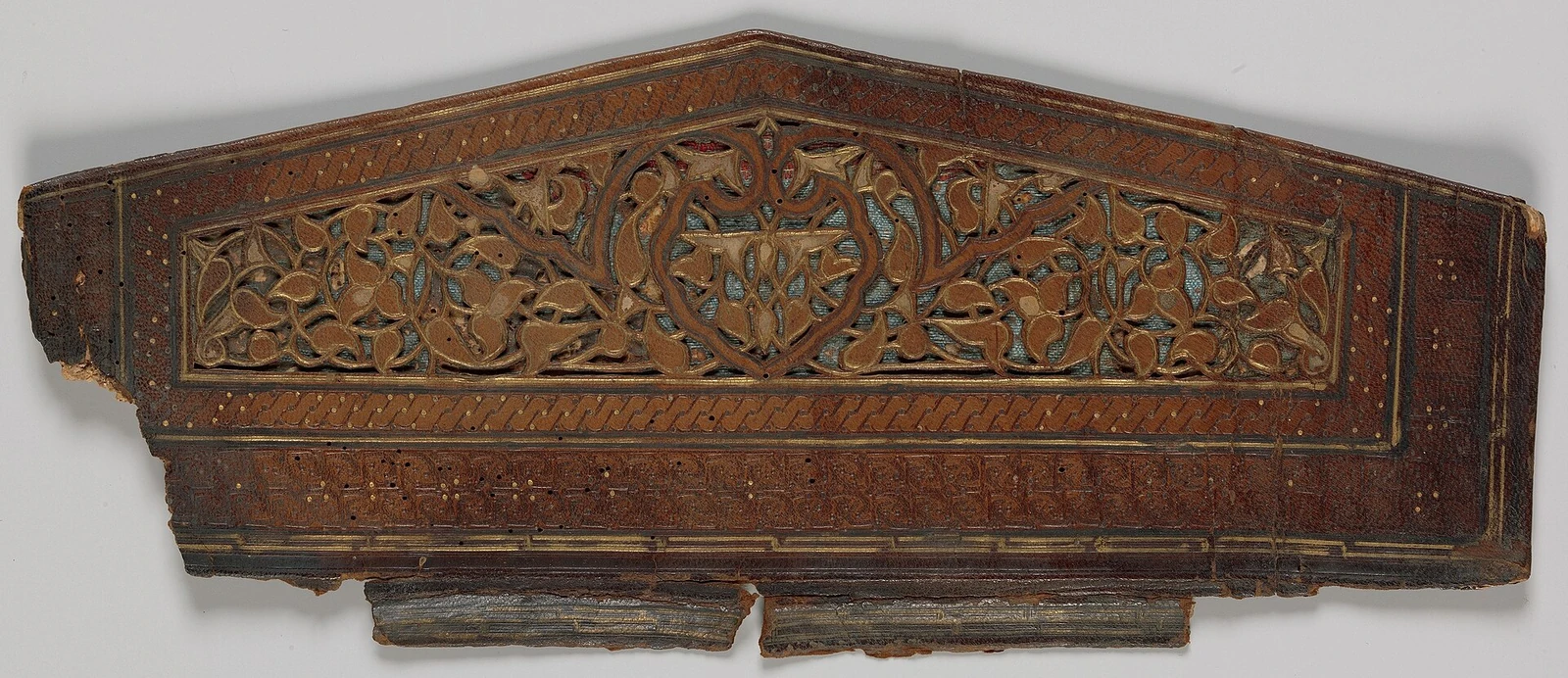 Archive Visits · 35
Slipcases and Four-Flap Enclosures: Choosing the Right Shelter
What kind of enclosure suits a vulnerable book?
Read field note →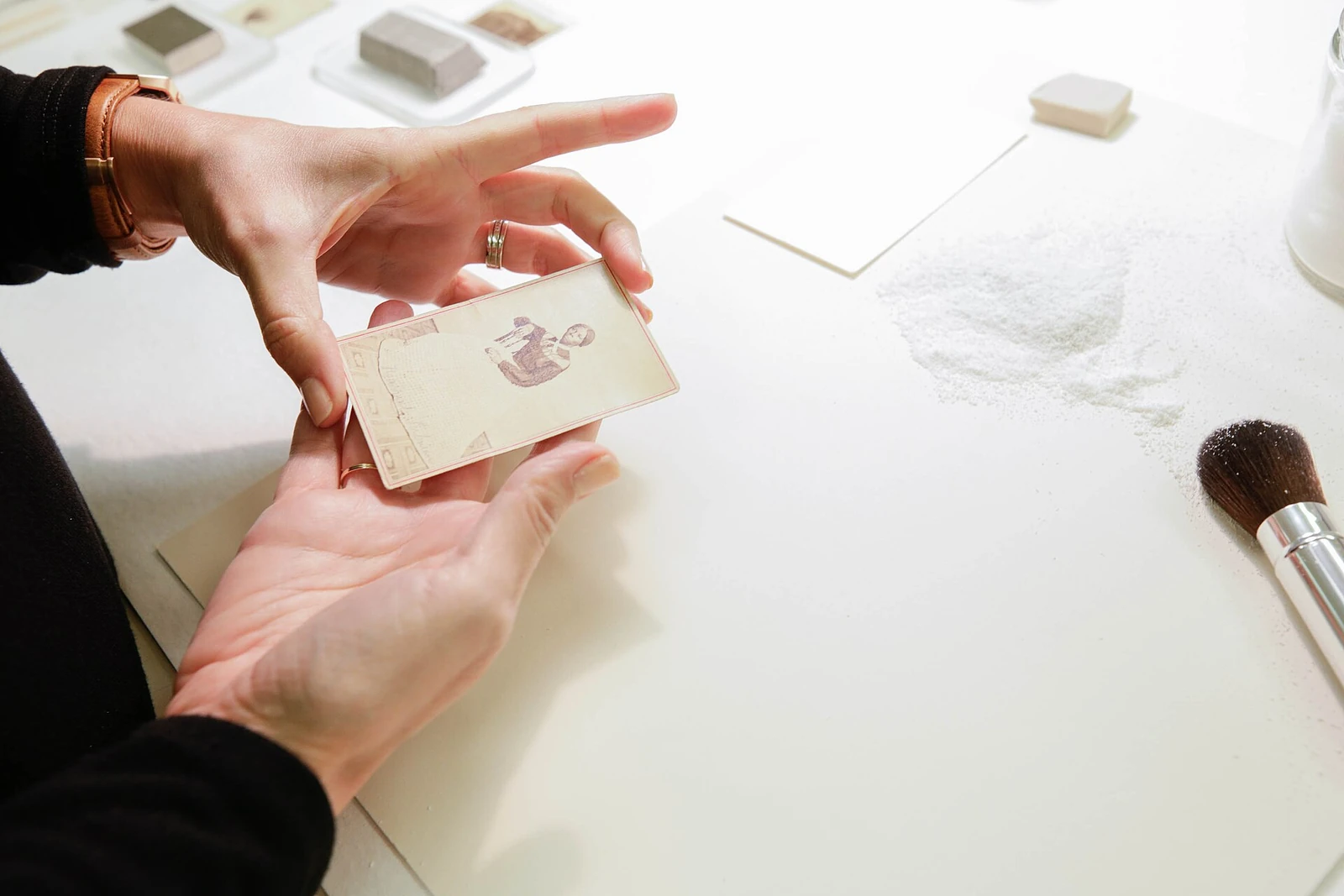 Archive Visits · 36
Condition Notes: Documenting a Book Before You Change It
What should I record before a repair or move?
Read field note →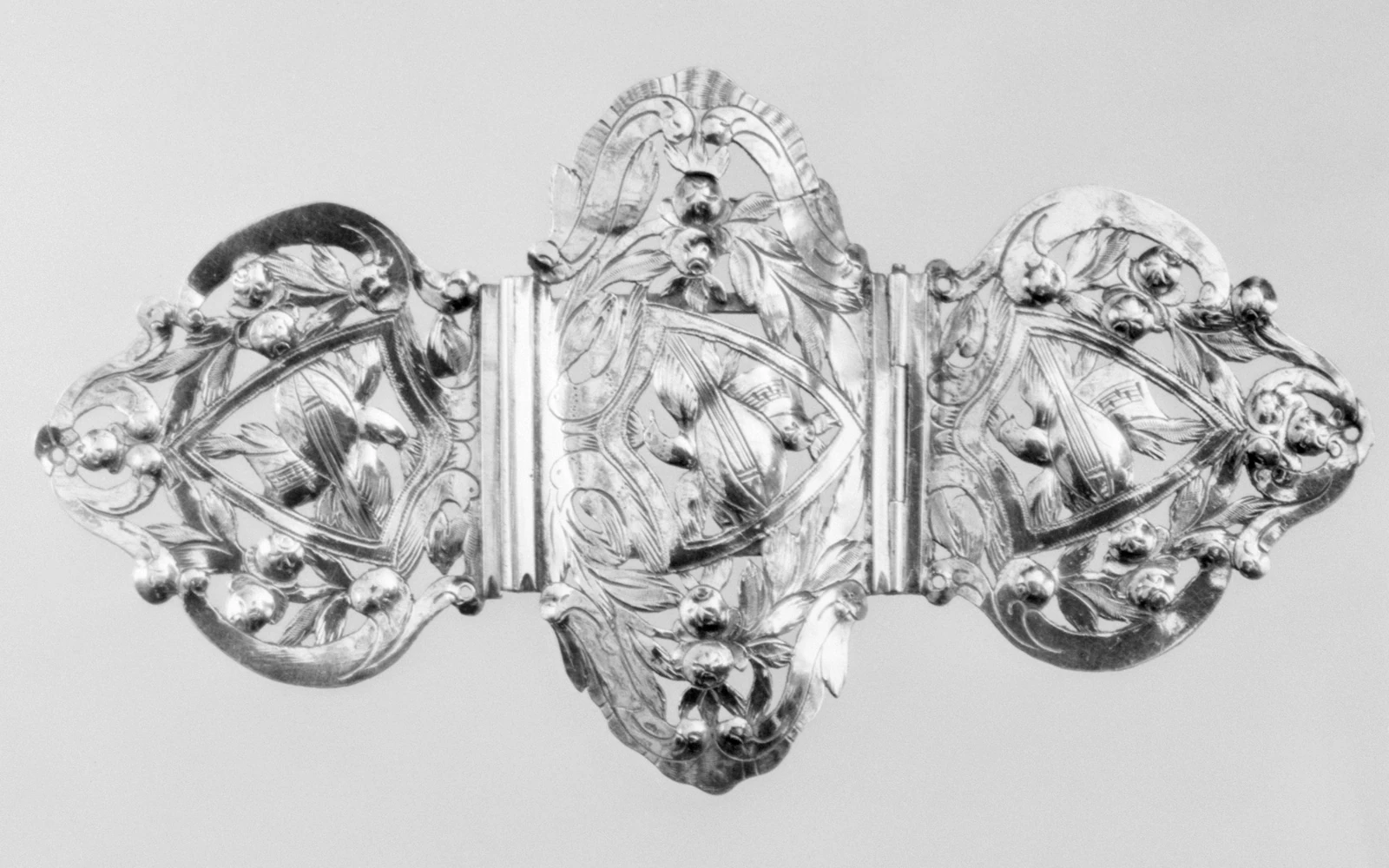 Binding Structures · 37
Clasps and Straps: How Fastenings Helped Keep Books Closed
Why did some books use metal clasps, leather straps, or ties?
Read field note →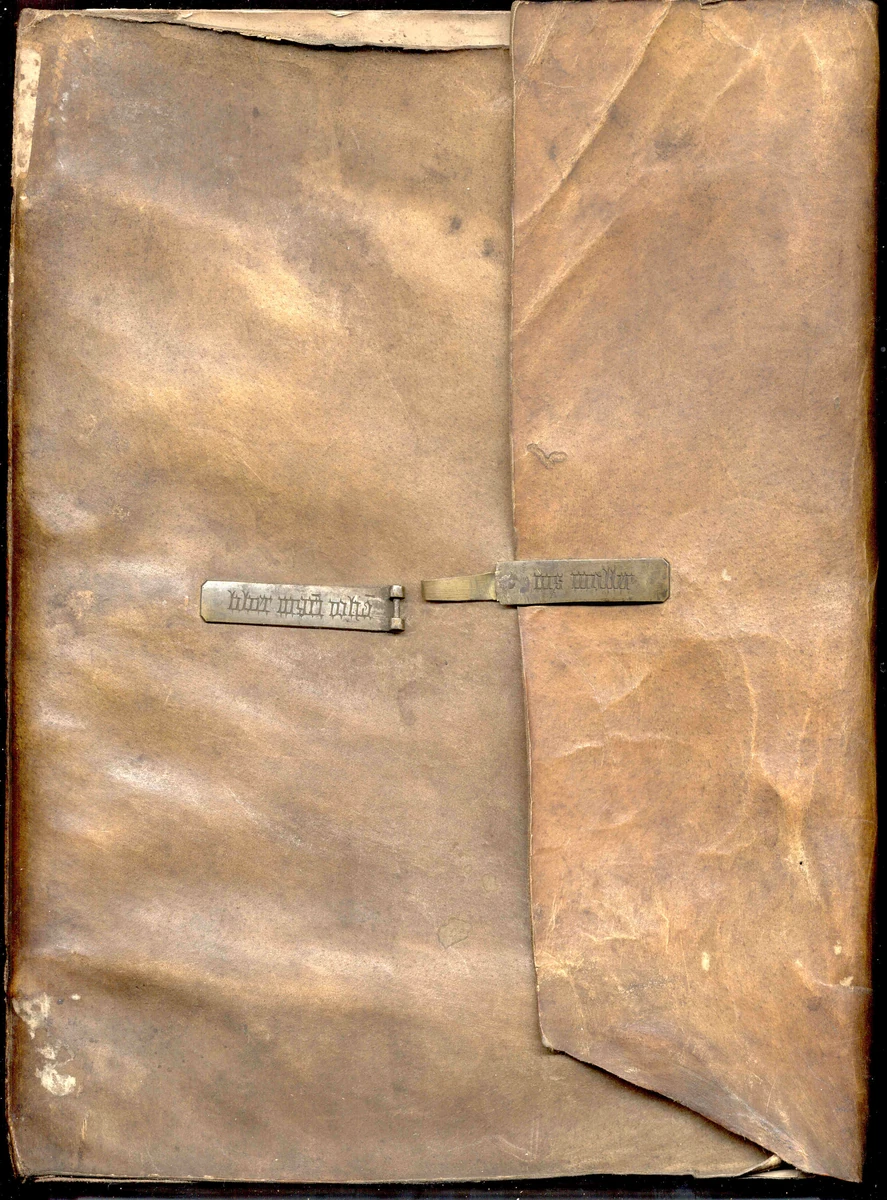 Binding Structures · 38
Limp Vellum Bindings: Flexible Covers, Laces, and Use
What makes a limp vellum binding different from a board binding?
Read field note →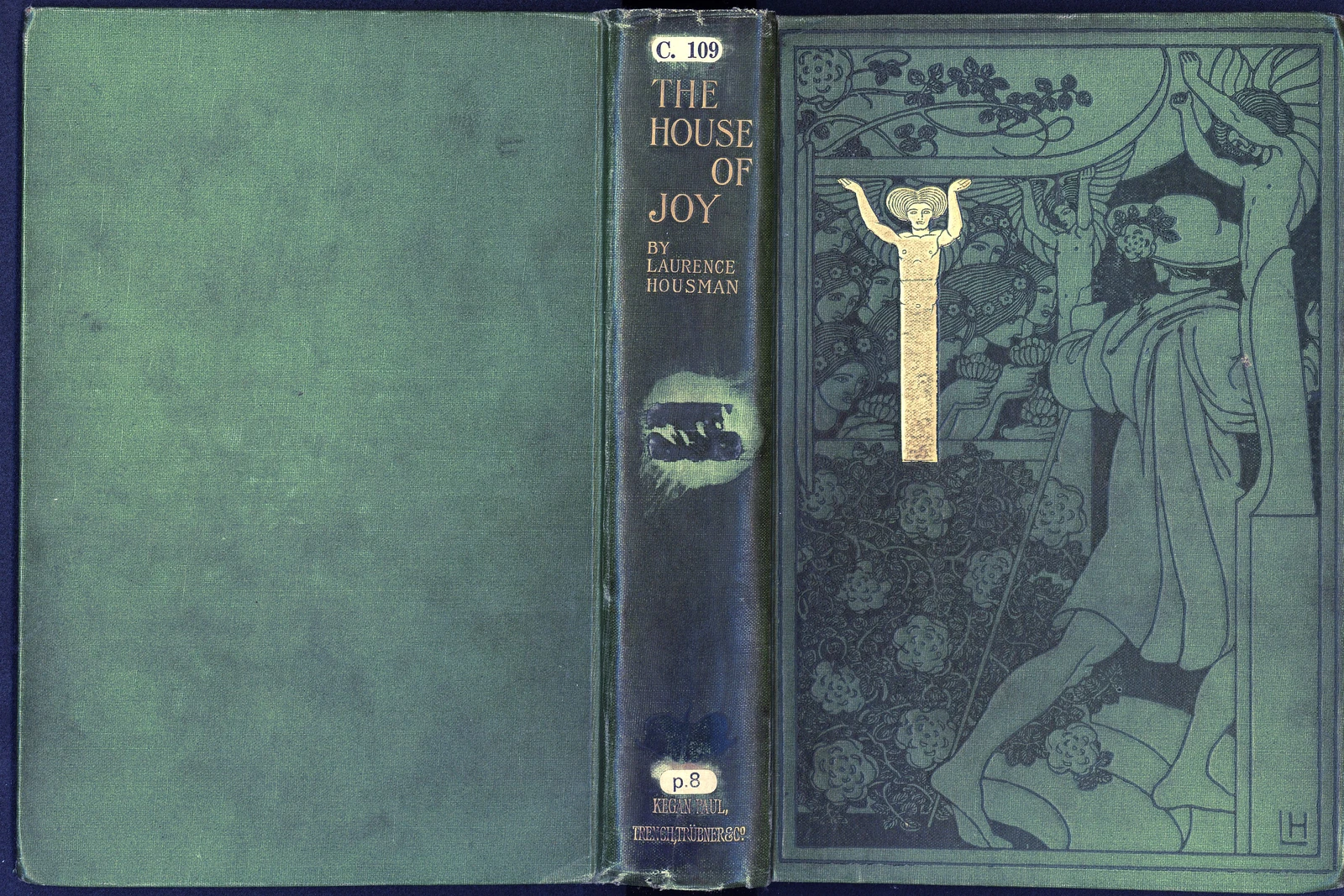 Binding Structures · 39
Publisher’s Cloth Bindings: How the Cover Became a Mass-Market Surface
How did cloth change the look and production of nineteenth-century books?
Read field note →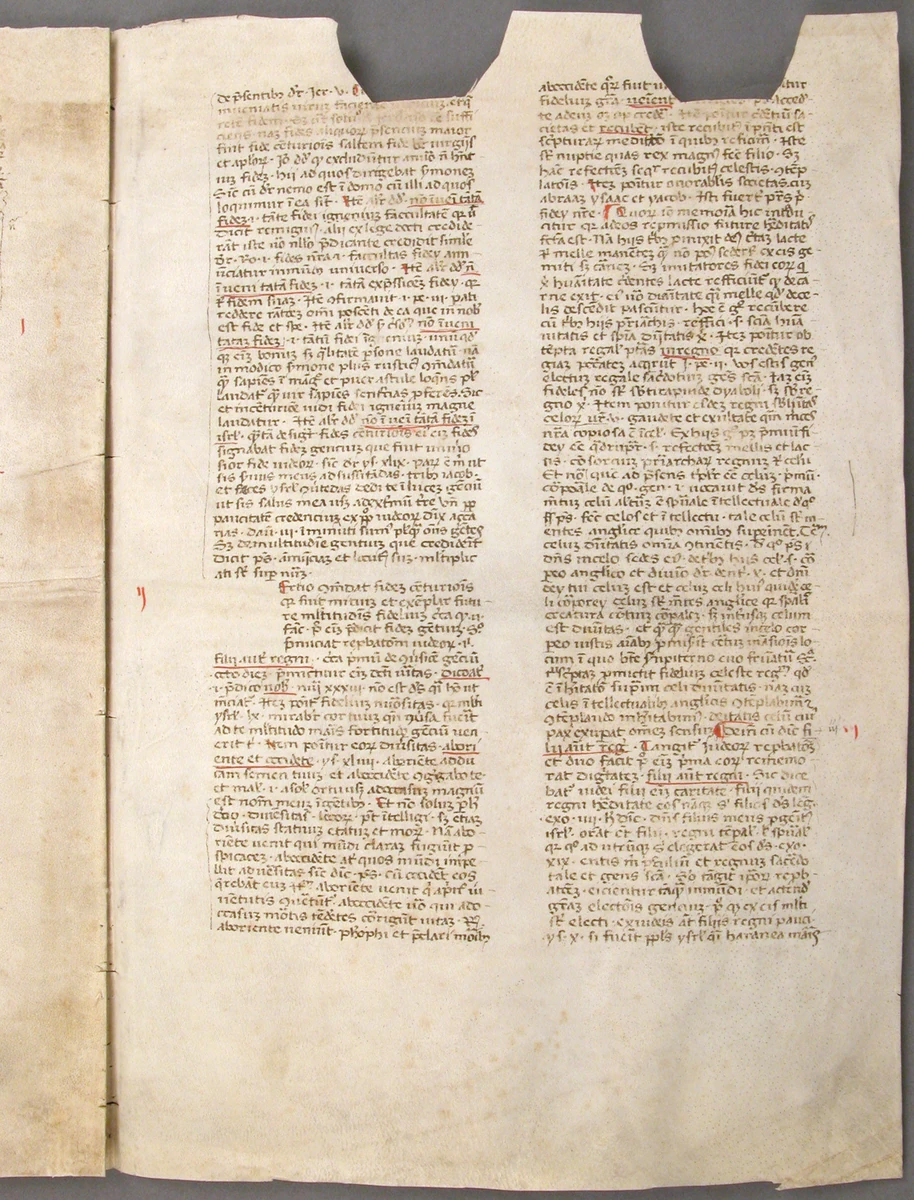 Paper and Grain · 40
Parchment and Vellum: Animal-Skin Supports for Books and Documents
What are parchment and vellum, and how should readers describe them?
Read field note →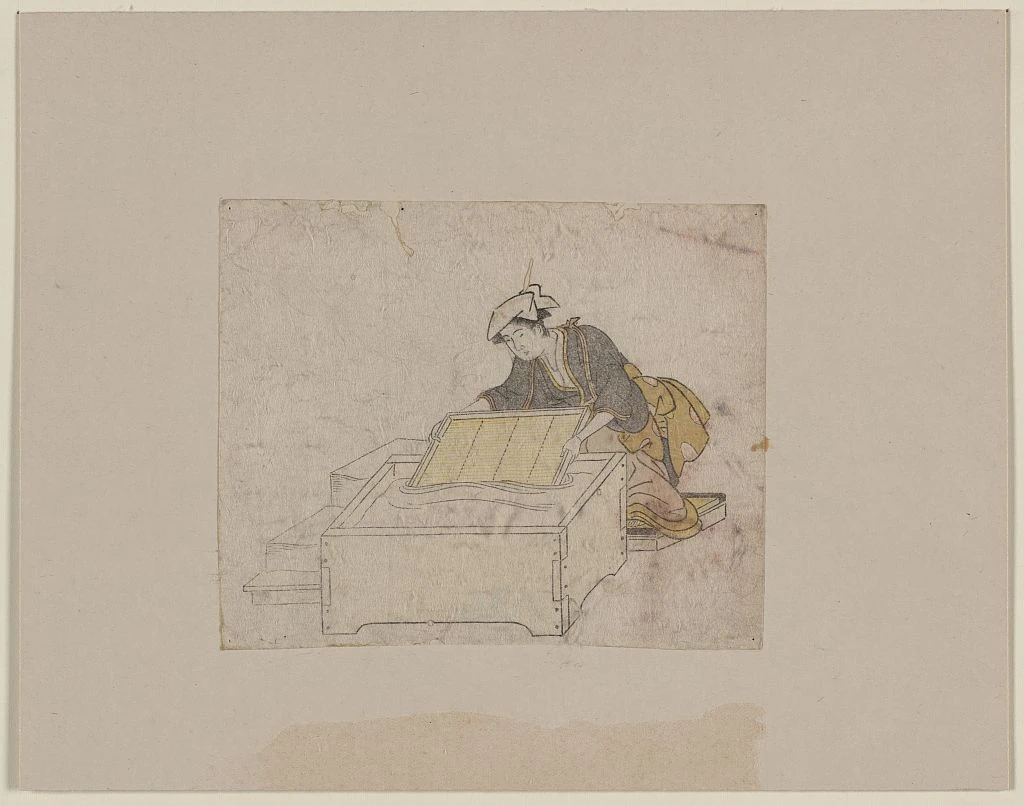 Paper and Grain · 41
Washi: Handmade Japanese Paper, Fibres, and Community Practice
How is traditional handmade washi made and passed on?
Read field note →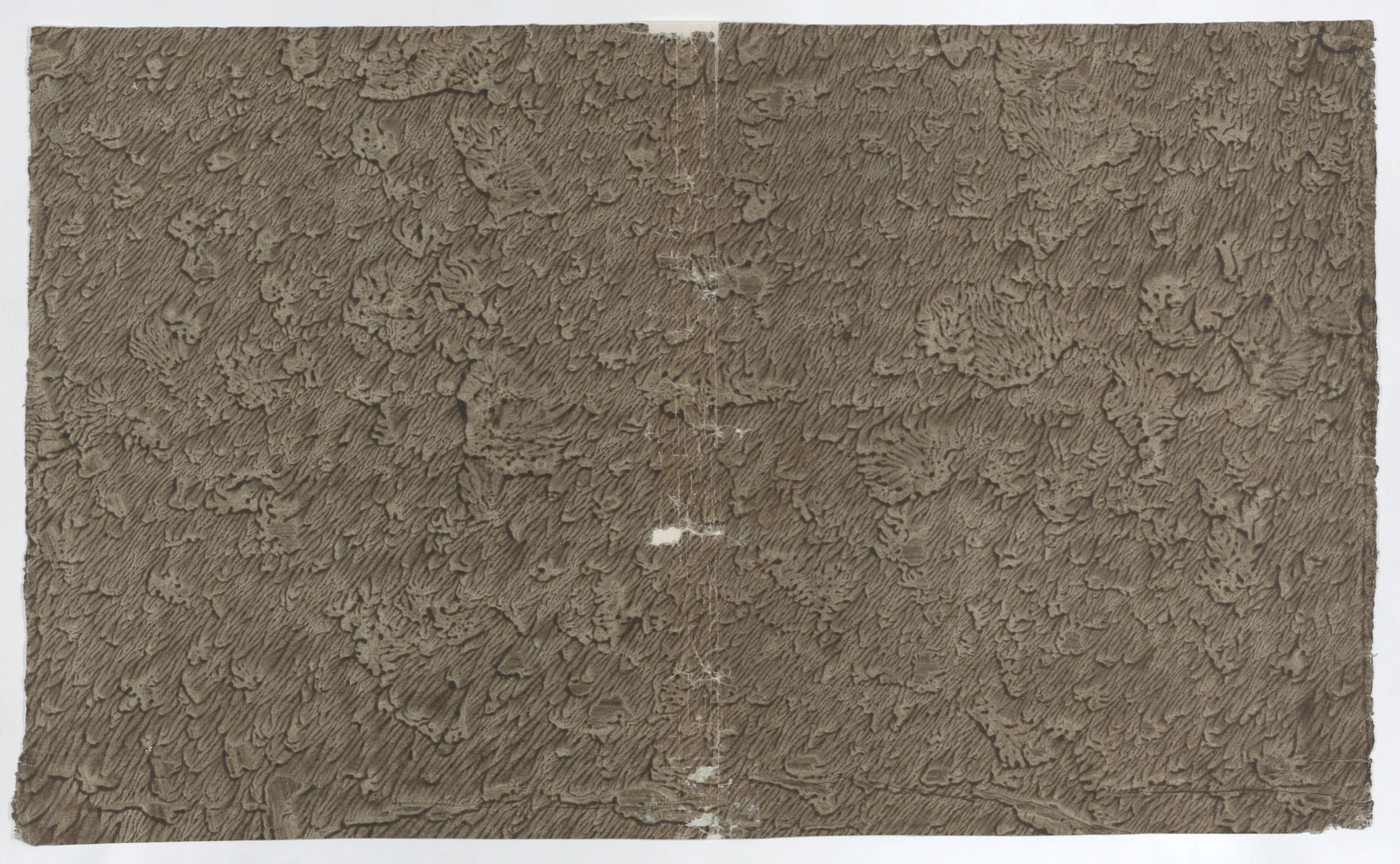 Paper and Grain · 42
Paste Paper: Brushwork, Pattern, and Book Cover Decoration
How is paste paper patterned, and where does it appear in a book?
Read field note →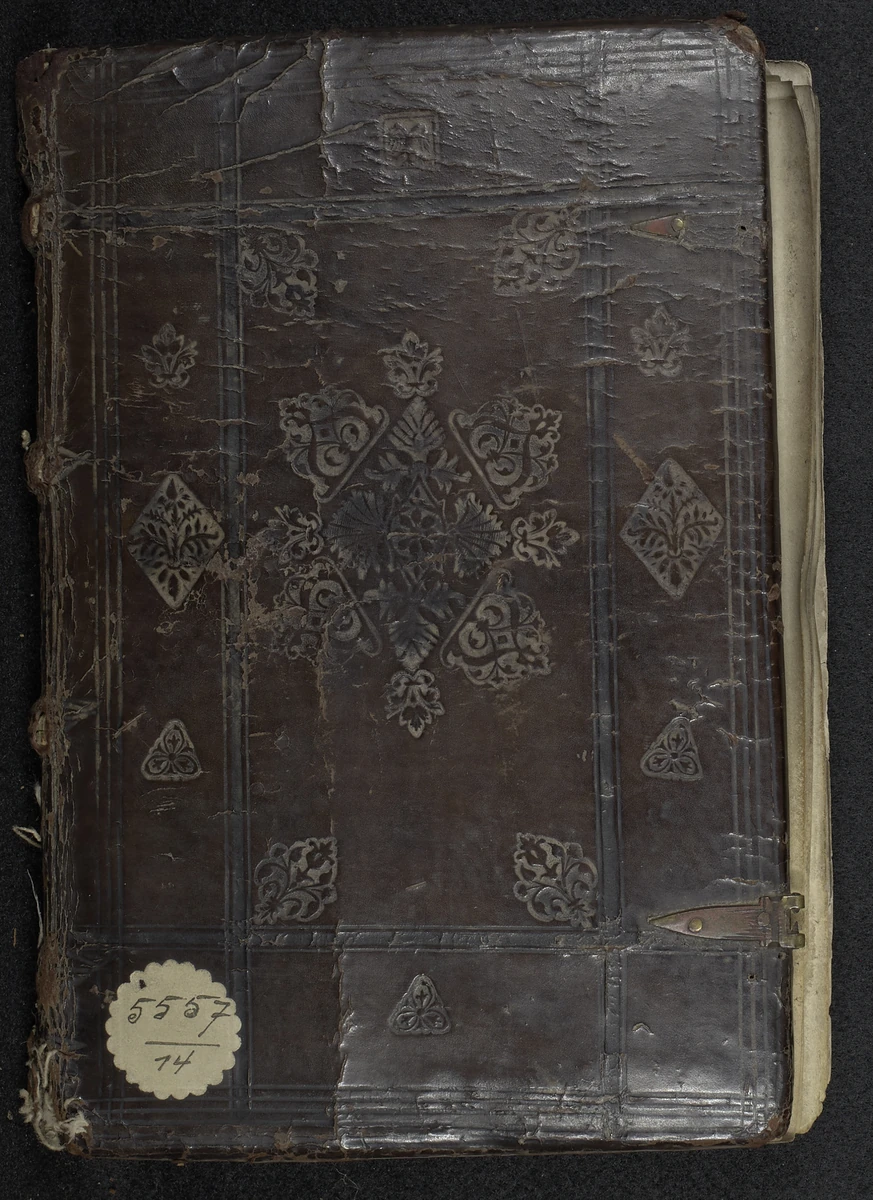 Tool Bench · 43
Gold Tooling: The Book Finisher’s Tools, Heat, and Impressions
What happens when a finisher presses heated tools and gold leaf into a book cover?
Read field note →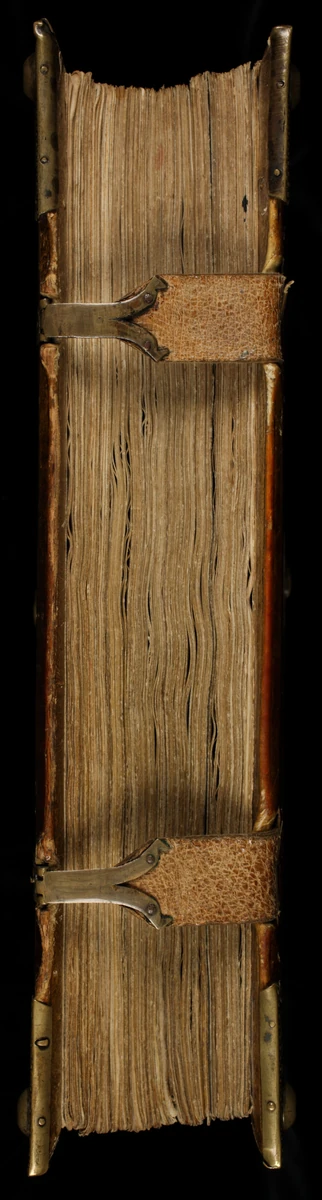 Tool Bench · 44
Fore-Edge Painting: Hidden Pictures at the Edge of a Book
How can a painted scene disappear when a book is closed?
Read field note →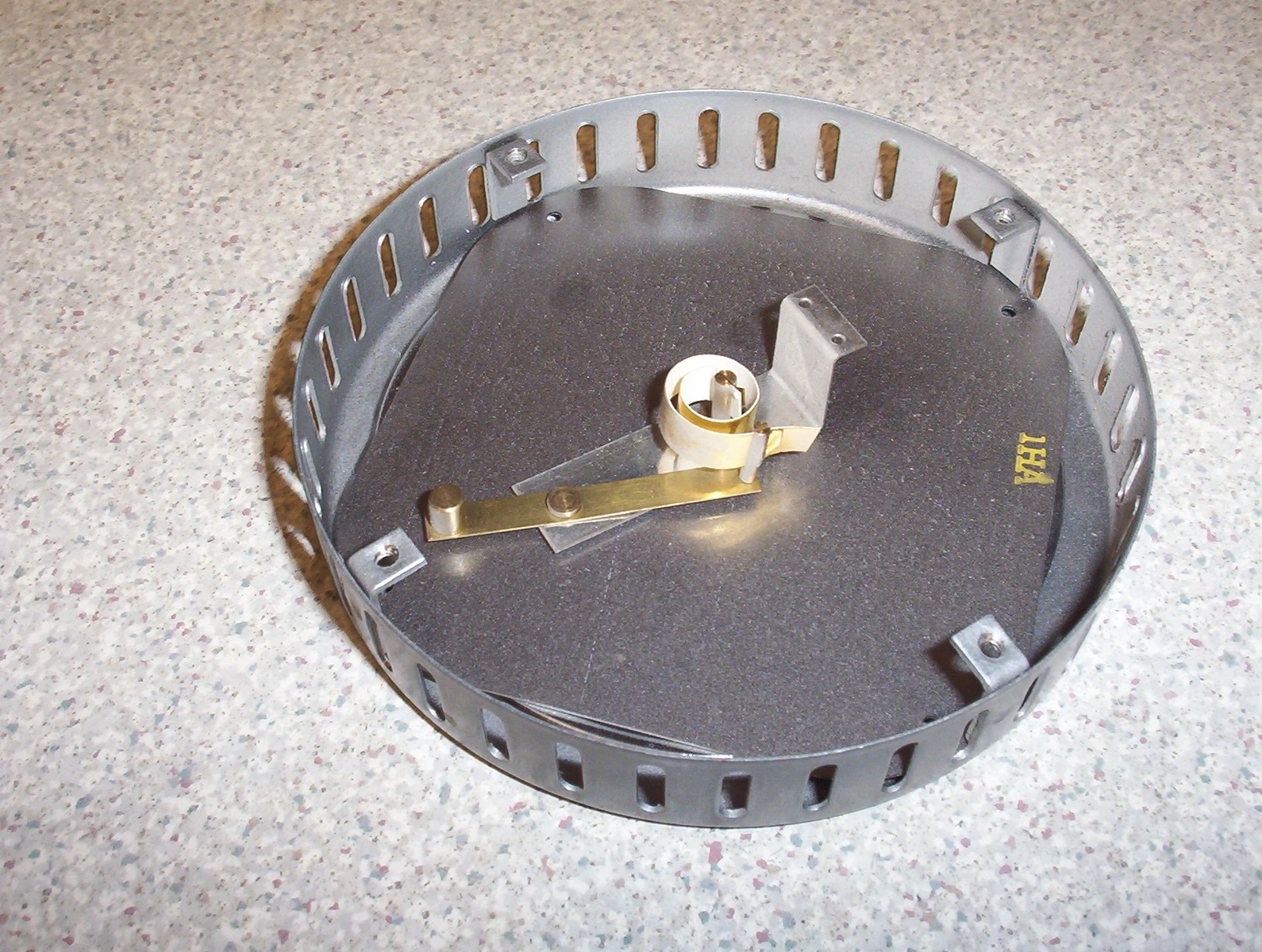 Conservation Notes · 45
Temperature and Relative Humidity: Stable Conditions for Books
Why do conservators track both temperature and relative humidity?
Read field note →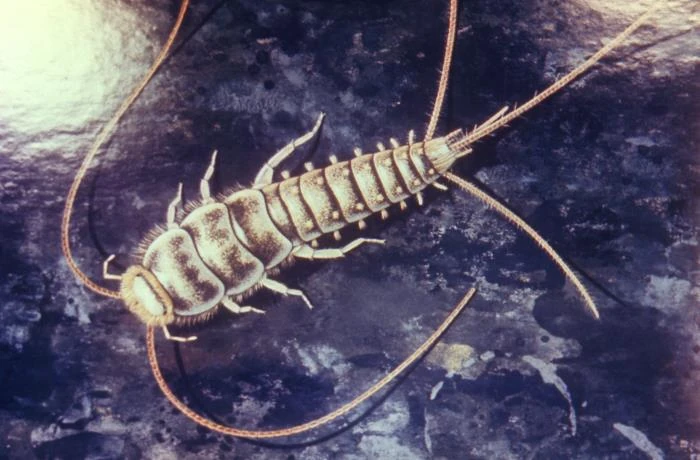 Conservation Notes · 46
Integrated Pest Management for Book and Paper Collections
What does integrated pest management look like in a library or archive?
Read field note → Conservation Notes · 47
Pressure-Sensitive Tape on Books: Why Old Repairs Are Hard to Reverse
Why can a strip of old repair tape become a conservation problem?
Read field note →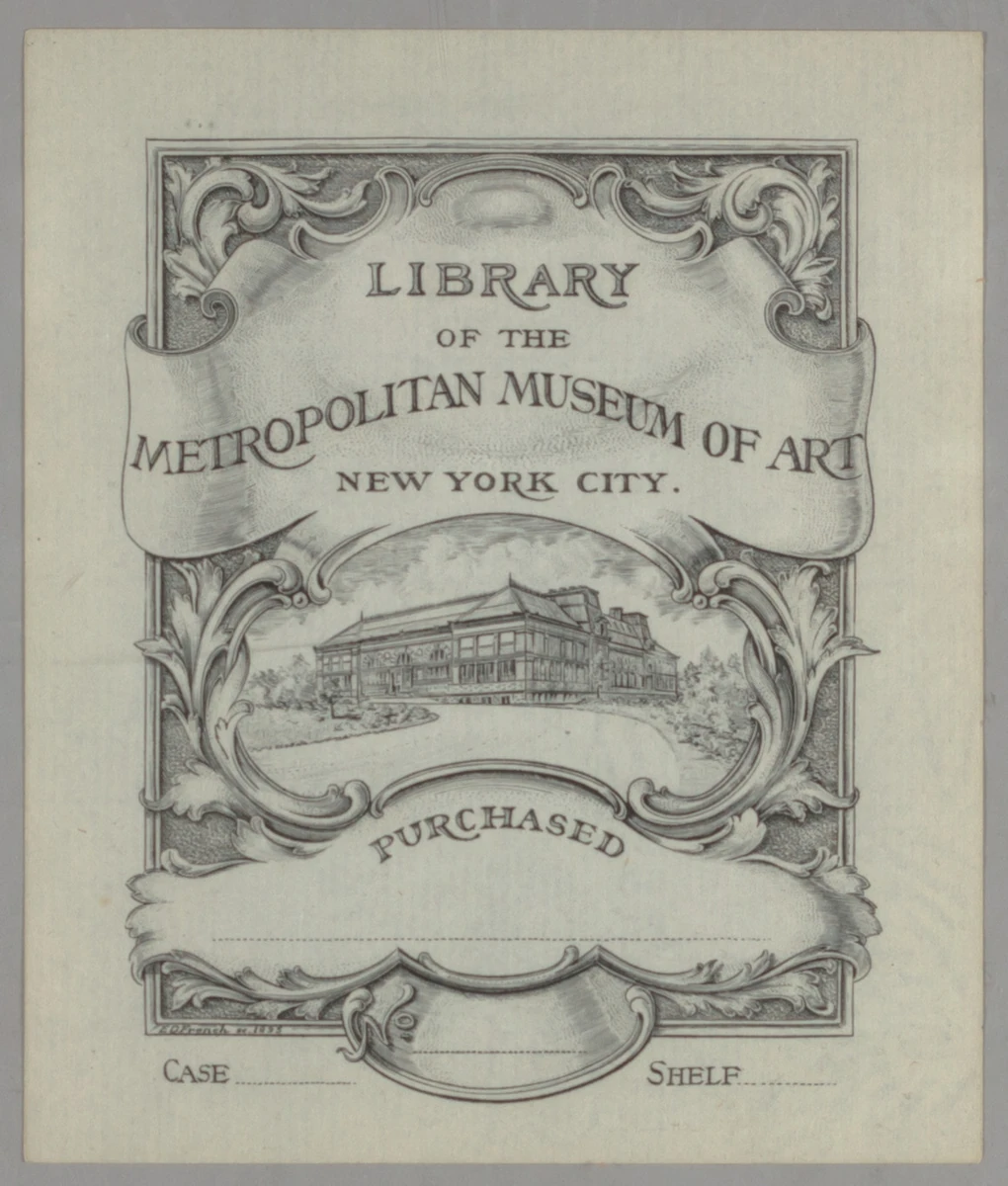 Archive Visits · 48
Bookplates and Ownership Marks: Tracing a Book’s Provenance
What can a bookplate reveal, and what can it not prove?
Read field note →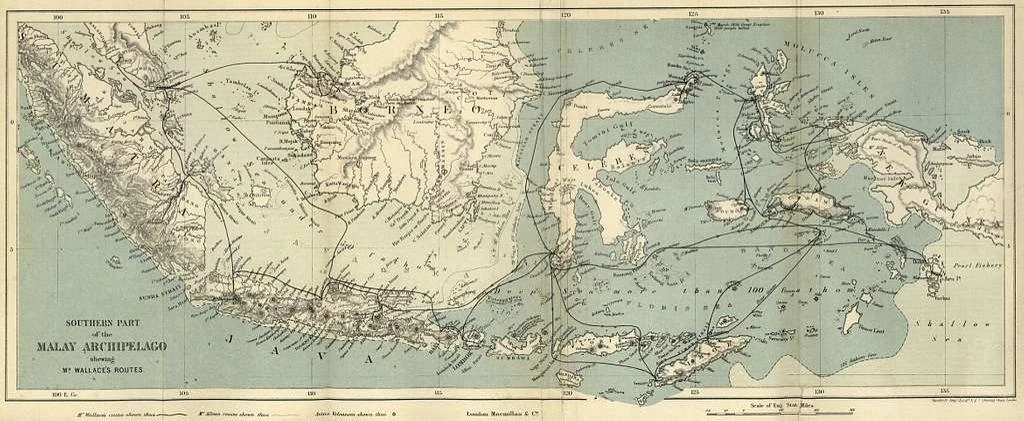 Archive Visits · 49
Foldout Maps and Plates: How Their Attachments Affect Use and Care
Why do maps and plates need a different opening and support plan?
Read field note →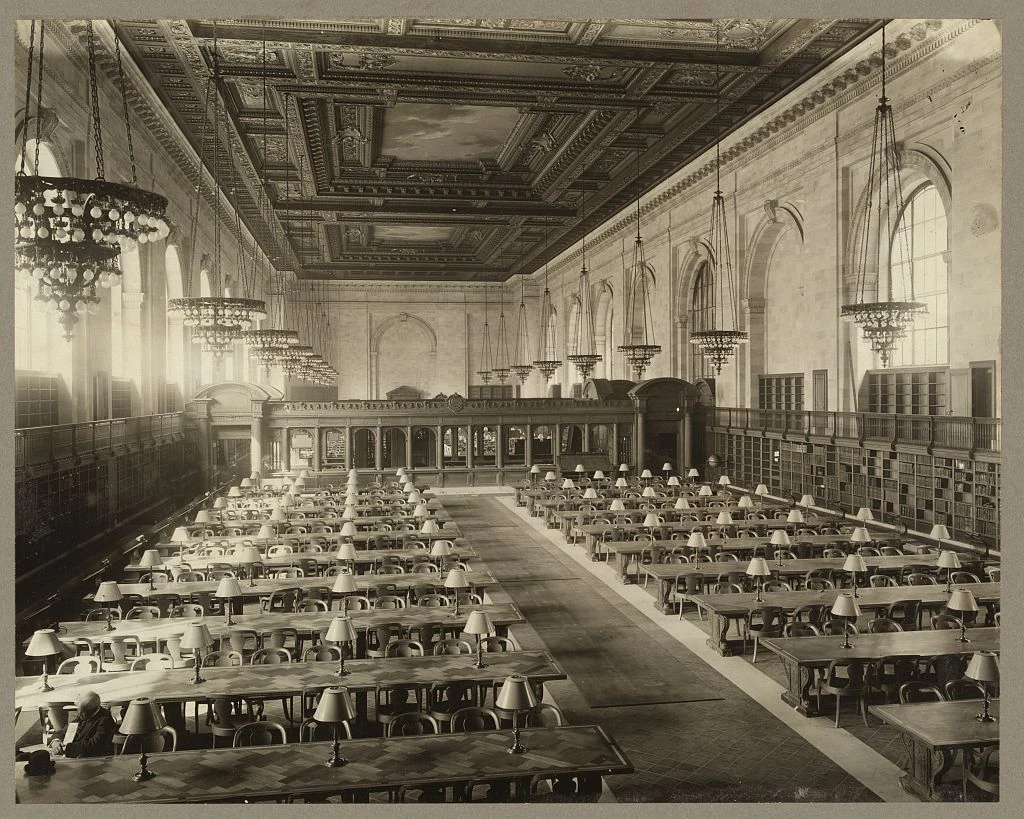 Archive Visits · 50
Using Special Collections Reading Rooms: Requesting, Handling, and Access
How can a first-time reader prepare to consult a rare book or manuscript?
Read field note →