
Tool Bench · FIELD NOTE 21
Linen Thread: Strength, Twist, and Book Sewing
What should I notice about thread in a binding?
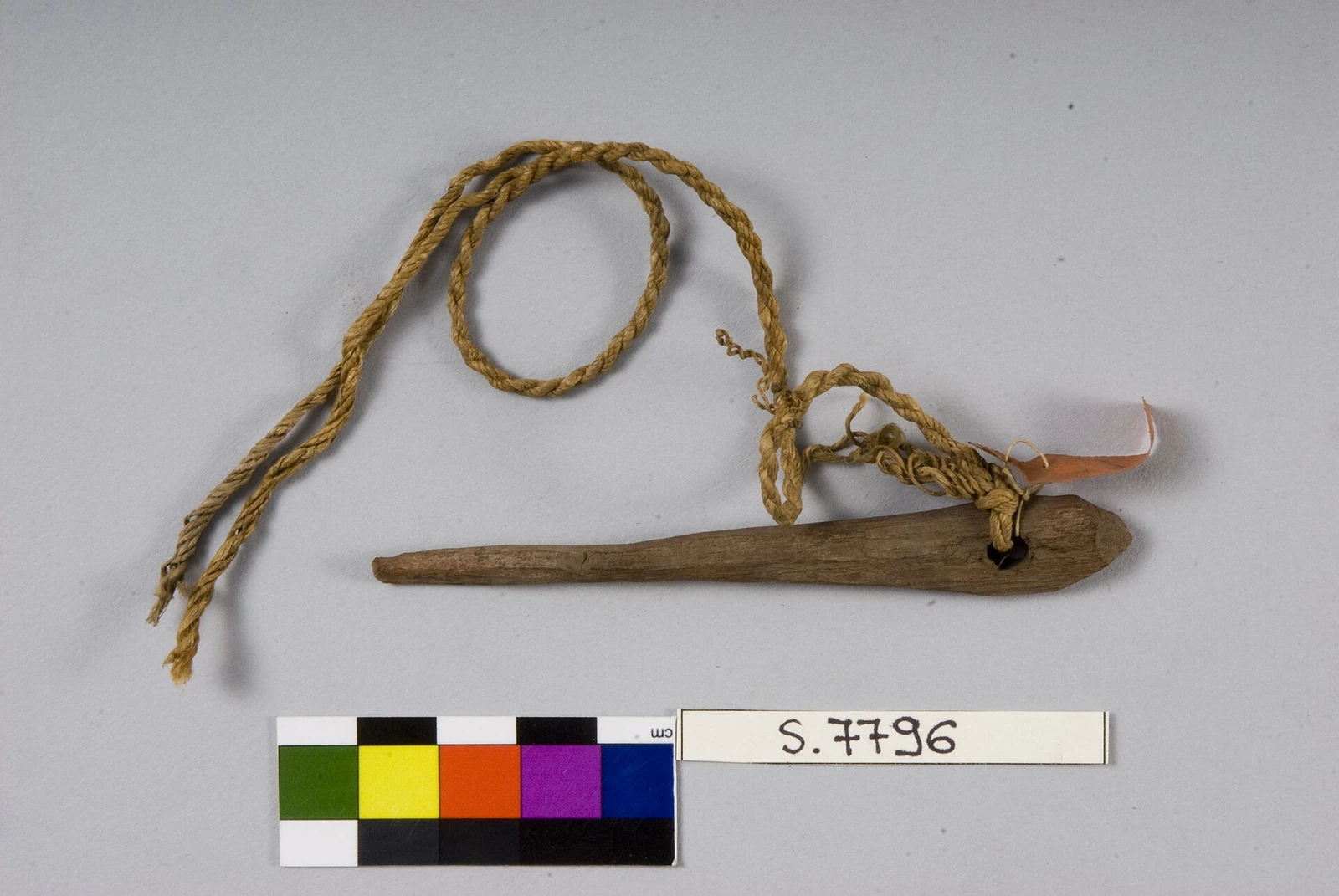
A spool of linen thread can look reassuringly traditional, but the material name does not choose the sewing for you. Thread must work with the paper, the number of sections, the station openings, and the intended movement of the book. Selecting the thickest available strand may solve neither durability nor appearance. A better starting point is to ask how much thread the structure needs, where it accumulates, and what the surrounding paper will be asked to withstand during ordinary use.
Fibre and finished thread are different descriptions
Linen comes from flax fibres. CAMEO describes their use in bookbinding thread alongside other products, while distinguishing fibre properties from the forms in which the material is used. A finished thread also has a particular construction, diameter, twist, and surface. Those characteristics need attention even when two spools share the same fibre label. Colour and a traditional-looking finish do not independently establish the composition or quality of unidentified thread in an old binding. [1]
When buying new stock, retain the manufacturer's description and a labelled sample. A size number without its numbering system may be difficult to compare across products. Describe the actual product rather than assuming that a familiar number always means the same diameter or number of plies. If important work depends on consistency, obtain sufficient stock and verify the proposed combination before the final pages are pierced or a complete edition is ready to sew.
Why the spine becomes thicker
Each section brings paper to the spine, and sewing adds more material along that region. Roberts and Etherington explain that thread choice relates to the paper and number of sections, and that excessive thickness can create excessive swell. The effect is cumulative. A pairing that seems comfortable through one sample gathering may become unsuitable when many gatherings are brought together, so the appropriate prototype should resemble the planned book rather than a single convenient fold. [2]
Imagine two hypothetical notebooks with equal finished page counts. One uses many thin gatherings; the other uses fewer, thicker ones. They offer different opportunities for thread to accumulate at the spine. This comparison is planning reasoning, not a measured performance claim. It explains why page count alone cannot prescribe a thread. The arrangement of those pages and the construction's intended shape belong in the selection record as well.
Twist has a working consequence
A strand is not just a cylinder of uniform material. Watch how the selected thread behaves through the intended route on expendable stock: whether it tangles, opens into plies, catches, or lies as expected. Do not treat an attractive tight twist as proof of superior suitability. The question is whether the complete strand can follow the stitch repeatedly without creating handling difficulties or demanding excessive force at a station. Record observations about that particular product and method.
Inspect the threaded needle as part of the same comparison. The eye plus folded thread can be wider than the bare shaft, and resistance there can be mistaken for a problem with the paper. Changing one variable at a time makes the result intelligible. If thread, needle, station size, and paper all change together, a more successful second sample will not explain which change mattered or help reproduce the result later.
Tension is not a strength contest
The thread should retain the intended relationships between sections without cutting or distorting the folds. A loose-looking exterior segment is not sufficient evidence that harder pulling is required. Observe the opening and closing of the whole dummy, including its first and last sections. If a fold puckers or a station elongates, pause. Tightening another knot does not replace the intact paper that has already been displaced or torn.
For an existing volume, avoid pulling exposed thread to test whether linen is still strong. A successful tug tells little about the weakest hidden section, while an unsuccessful one can break an irreplaceable connection. Document a visible break or displaced section instead. A conservator can assess sewing alongside the support, cover, and earlier repairs. The age or fibre identity of a thread does not independently decide whether resewing is necessary.
Wax and treatments need a stated purpose
Workshop methods sometimes prepare thread before sewing, but a preparation belongs to a complete method and a known product. Do not add a coating simply because an old strand looks dry or because a video uses a shiny thread. On new materials, follow an appropriate instruction and keep the preparation in the project record. On a historic book, applying material to existing sewing is an intervention requiring a justified treatment plan.
A useful selection sheet lists stock, section arrangement, thread product, needle, sewing route, and observed opening behavior. Add any preparation and explain why the chosen sample was preferred. This record offers something practical without invented breaking-strength measurements or a universal thread chart. Another maker can understand the combination, repeat the dummy, and see where an altered paper or format requires a new decision rather than an automatic reuse of the earlier spool.
Linen is an important bookbinding material, but its reputation should begin an investigation rather than end one. Choose a finished thread in relation to the structure, evaluate cumulative spine thickness, and control tension through observation of the surrounding paper. Keep material identification separate from condition in old books. These habits make the sewing decision explainable and help ensure that strength in the strand does not become unnecessary strain in the book.
Sources
References below support the factual explanations in this article. Read each source within its stated scope and context.