
Archive Visits · FIELD NOTE 50
Using Special Collections Reading Rooms: Requesting, Handling, and Access
How can a first-time reader prepare to consult a rare book or manuscript?
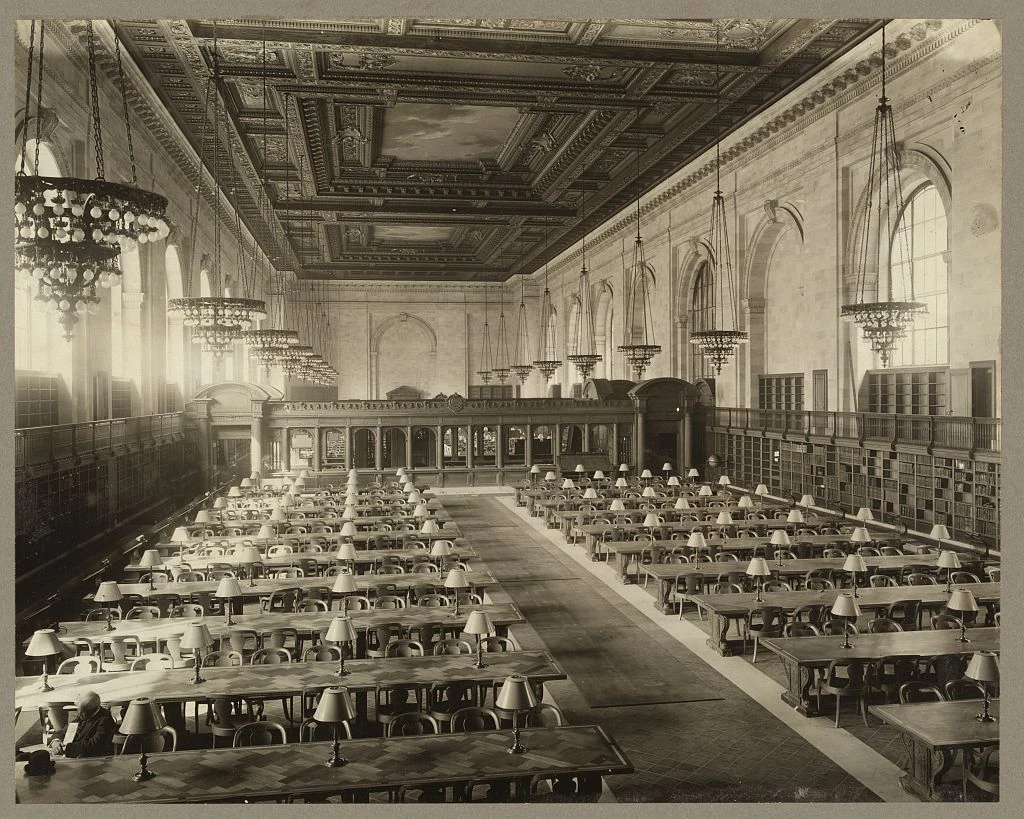
A special collections reading room is a supervised place to consult rare books, manuscripts, archives, maps, and other materials that need controlled access. Each institution sets its own rules, so a successful visit begins with the catalogue and current reading-room guidance. Readers may need to register, request material in advance, or explain their research purpose. Requirements can change; check the institution’s official page before travelling rather than relying on an old blog post or another library’s policy.
The Library of Congress and Bodleian Libraries illustrate how access procedures vary. The Bodleian states that readers need an appropriate reader card with Group A access to consult its special collections at the Weston Library, and notes that access restrictions differ among subject libraries. The Library of Congress has its own rare-book reading-room procedures and request system. These examples show why a general guide should explain the questions to ask, not promise identical entry at every institution.[1][2]
Find and identify the material
Start with the library catalogue or finding aid. Record the title, author or creator, date if supplied, call number, collection name, and item identifier. For archival materials, the catalogue may describe a series or folder rather than a single book. A clear identifier helps staff locate the right object and helps you request the correct item. If you are unsure which record matches your question, contact a reference librarian before submitting a request.
Search for digital copies and related catalogues before planning an in-person visit. Some institutions provide complete scans; others show only a description or sample images. A digital surrogate may answer a question without handling the original, while an in-person consultation can still be necessary for bindings, paper, colour, scale, or physical features. Ask whether the specific item is available on the planned date and whether it is stored off site.
Register and request ahead
Many reading rooms require a reader card, identification, or advance registration. Some special collections have additional eligibility rules, orientation steps, or appointment limits. The Bodleian’s policy is one example: it directs external readers to apply for a reader card with Group A access and to outline their research interests. This is not a universal requirement. Follow the current instructions of the library you plan to visit and allow time for review or processing.[2]
Requests may need to be submitted hours or days before a visit, particularly for storage sites outside the reading room. Include exact shelfmarks and request only the material you expect to use. If your research scope changes, ask staff whether a new request is needed. Do not assume that a catalogue item can be retrieved immediately or that every volume is available for consultation; conservation condition, digitization, loans, or access restrictions may affect availability.
Prepare for the room’s rules
Before arrival, check what you may bring. Libraries commonly restrict food and drink and may ask readers to leave bags, coats, pens, or personal items outside the room. The exact list varies, so consult the institution’s posted policy. Bring permitted pencils, a laptop, or a camera only if allowed. Some rooms require lockers or transparent bags, and some prohibit photography for particular collection items.
Plan notes around the materials permitted. A pencil can be useful for a paper record, but do not rest it on an open book or write on a document. Keep personal notebooks and devices far enough away that they cannot strike a page. If a staff member gives an instruction that differs from a general website guide, follow the on-site direction for that material.
Handle material as staff demonstrate
Staff may provide a cradle, foam supports, weights, or page markers and show how to position them. Use only the supports provided or approved by the room. Do not flatten a book, reverse its spine, or turn several leaves at once. Follow the natural opening angle and ask for help when a page, foldout, map, or plate resists. Collection staff know the condition notes and can advise how a particular object should be handled.
Clean, dry hands are often appropriate for bound paper, though institutions may require gloves for certain media such as photographs, metal, or objects with hazardous residues. Gloves can reduce dexterity and catch on brittle edges, so do not assume that wearing them is always safer. Follow the room’s material-specific instructions and avoid touching text, pigments, or decorative surfaces.
Make useful notes and images
Record the catalogue identifier and page or folio references as you work. Distinguish a direct transcription from your interpretation, and note when a reading is uncertain. If photography is allowed, follow rules on flash, supports, page turning, and publication rights. A photograph does not automatically grant permission to publish an image; copyright and reproduction terms may be separate from reading-room access.
For structural research, photograph the binding, joints, edges, and relevant pages only as permitted. Do not hold a fragile book open with a hand while operating a camera. A staff member may adjust the cradle or recommend a digital surrogate. Keep filenames or notes tied to the call number so images do not become detached from their source record.
Respect access limits
Some items may be restricted because of condition, donor agreement, privacy, legal rules, or ongoing processing. Staff can explain alternatives, such as a surrogate, a different edition, or a mediated consultation. A refusal to produce a fragile item is a preservation decision rather than a judgment on the reader’s research. Ask whether another source can answer part of the question.
Access rules also change. Card requirements, appointment systems, opening hours, photography policies, and service locations are operational details that may be updated. Verify them on the official website shortly before the visit and contact the reading room about questions that affect travel plans. This guide describes general preparation, not a guarantee of current entry at any named institution.
After consultation
Return supports and loose materials as staff instructs. Do not refold a map or close a book if the reading-room team has asked you to leave it open. Tell staff if you noticed a loose fragment, a new tear, a sticky page, or a support that seemed unsuitable. Avoid trying to repair or reposition the item yourself.
After the visit, check your notes against the catalogue record while the consultation is fresh. Keep citations, call numbers, and image permissions together. If you plan to quote or reproduce material, ask the institution about citation, copyright, and image-use requirements. Access is a collaboration between reader and collection staff: clear requests and careful handling make it easier for future researchers to use the same materials.
A practical visit checklist
Before you go, confirm the correct catalogue record, reader registration, request deadline, location, hours, and current room rules. Ask whether photography is allowed and whether the item has a digital surrogate. Bring only permitted supplies and allow extra time for retrieval. If the material is complex or fragile, tell staff what you need to examine so they can prepare appropriate supports.
Once in the room, follow staff guidance, use supports, turn pages gently, and pause when something resists. Record identifiers and distinguish evidence from inference. Check current policies again when planning another institution. These habits make research more efficient while respecting the fact that each special collections reading room and each item has its own access conditions.
Sources
References below support the factual explanations in this article. Read each source within its stated scope and context.