
Conservation Notes · FIELD NOTE 26
Storage Boxes: Giving a Book Its Own Micro-Environment
When does a book need a protective enclosure?
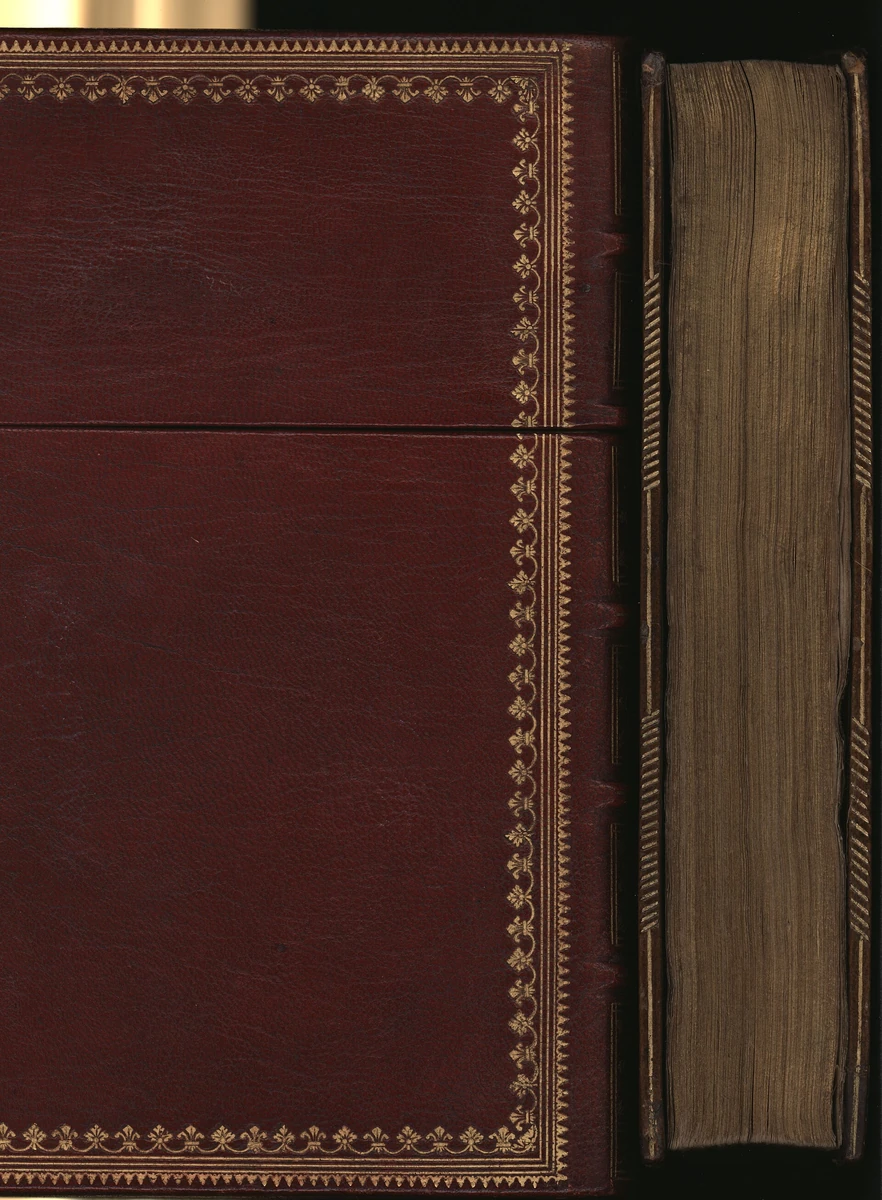
A storage box changes the small space immediately around a book. It can reduce dust and light exposure, keep loose parts associated, and make a fragile object easier to move. It cannot make an unsuitable room dry, repair a broken attachment, or guarantee a stable climate by itself. Choose a box by the problem it needs to solve and the way the book will be retrieved. The most protective enclosure is useful only if a person can open it without creating another risk.
Name the job before choosing the box
Separate four possible needs: keeping components together, supporting a damaged structure, shielding a vulnerable surface, and organizing access. A book may need several of these functions, but they do not automatically require the same design. A tightly fitted slipcase and an opening box interact differently with fragile corners and loose boards. Begin with a description of the vulnerable parts rather than a wish for a uniform row of attractive cases.
The Library of Congress recommends supportive enclosures for rare or fragile books and for objects whose unstable structures or multiple pieces need containment. Its storage guide treats housing together with environment and shelving. That relationship is important: the box is one layer of protection within a larger plan. A closed enclosure placed under a leak, beside a heater, or in a damp basement has not solved the surrounding storage problem. [1]
Fit includes removal
Measure the object in its supported, natural condition without squeezing its boards into alignment. Include projections that matter to the enclosure, such as raised decoration or a displaced component. Do not compress damage to obtain a convenient rectangular measurement. If professional fitting is needed, give the maker a condition description as well as dimensions. A box based only on nominal height and width may overlook the very feature that needs protection.
Rehearse the removal sequence using a safe dummy before approving a design for a vulnerable book. Which panel opens first? Where do the hands go? Can the item remain supported while it is lifted? These questions expose handling requirements that a closed-box photograph cannot show. A design that needs the user to tug the spine or tip the contents out deserves reconsideration, even if the measured internal space appears correct.
Materials claims need specifics
The word archival is not a complete specification. The Library of Congress advises looking for relevant material information rather than relying on that label. Ask what the board, lining, adhesive, and any foam actually are and whether their contact is appropriate for the enclosed object. A known product description is more useful than an attractive colour or a seller's general preservation claim. Keep that information with the enclosure record for later assessment. [1]
Mixed contents need particular thought. A book with photographs, metal fittings, or powdering leather may have needs that differ from a sound paper volume. Do not introduce an interleaving or cushioning material merely because it was suitable for a different collection. A conservator can consider the surfaces and media together. The purpose of the housing should remain clear enough that added layers do not conceal loose pieces or make retrieval unexpectedly complicated.
Micro-environment does not mean climate control
The Canadian Conservation Institute discusses enclosure, contact, duration, and the object's vulnerability when selecting preventive-conservation products. An enclosure changes how an object interacts with its immediate surroundings, but the effect depends on materials and conditions. Avoid promising that any box holds an ideal humidity or blocks every pollutant. Those are performance claims requiring appropriate evidence, not automatic consequences of enclosing a volume. [2]
Moisture is especially important. A wet book should not simply be sealed and returned to a shelf as though boxing were completed treatment. If water or mold is involved, obtain suitable salvage guidance and address the source of the problem. The box-selection conversation comes within that response, not before it. An enclosure can protect a sound dry object while creating an unsuitable situation if used indiscriminately around damp material.
Label the association, not the original surface
Put identification where the enclosure can be recognized before it is opened. Keep any loose fragments individually associated with the book using suitable, clearly labelled housing selected for their condition. Avoid attaching new labels to original covers merely to match the box. A short location diagram can show where a detached piece was found. This preserves useful context without forcing fragments into a speculative reconstruction inside the volume.
The Library of Congress's account of its box-making activities shows custom housing as an organized preservation practice, including careful measurement and different enclosure arrangements. It is a concrete example of fitting the method to collections work rather than an instruction that every household needs institutional equipment. The transferable lesson is to plan dimensions, access, identification, and workflow together instead of regarding the enclosure as a decorative purchase made after all other decisions. [3]
Review the box after use. Has removal caused rubbing? Are loose pieces still identifiable? Has the storage location changed? An enclosure should remain part of an active care plan rather than disappear into the background once ordered. By defining its job, fitting it to the actual object, and keeping the surrounding conditions suitable, a box can protect both physical material and the relationships that make a book meaningful.
Sources
References below support the factual explanations in this article. Read each source within its stated scope and context.