
Binding Structures · FIELD NOTE 39
Publisher’s Cloth Bindings: How the Cover Became a Mass-Market Surface
How did cloth change the look and production of nineteenth-century books?
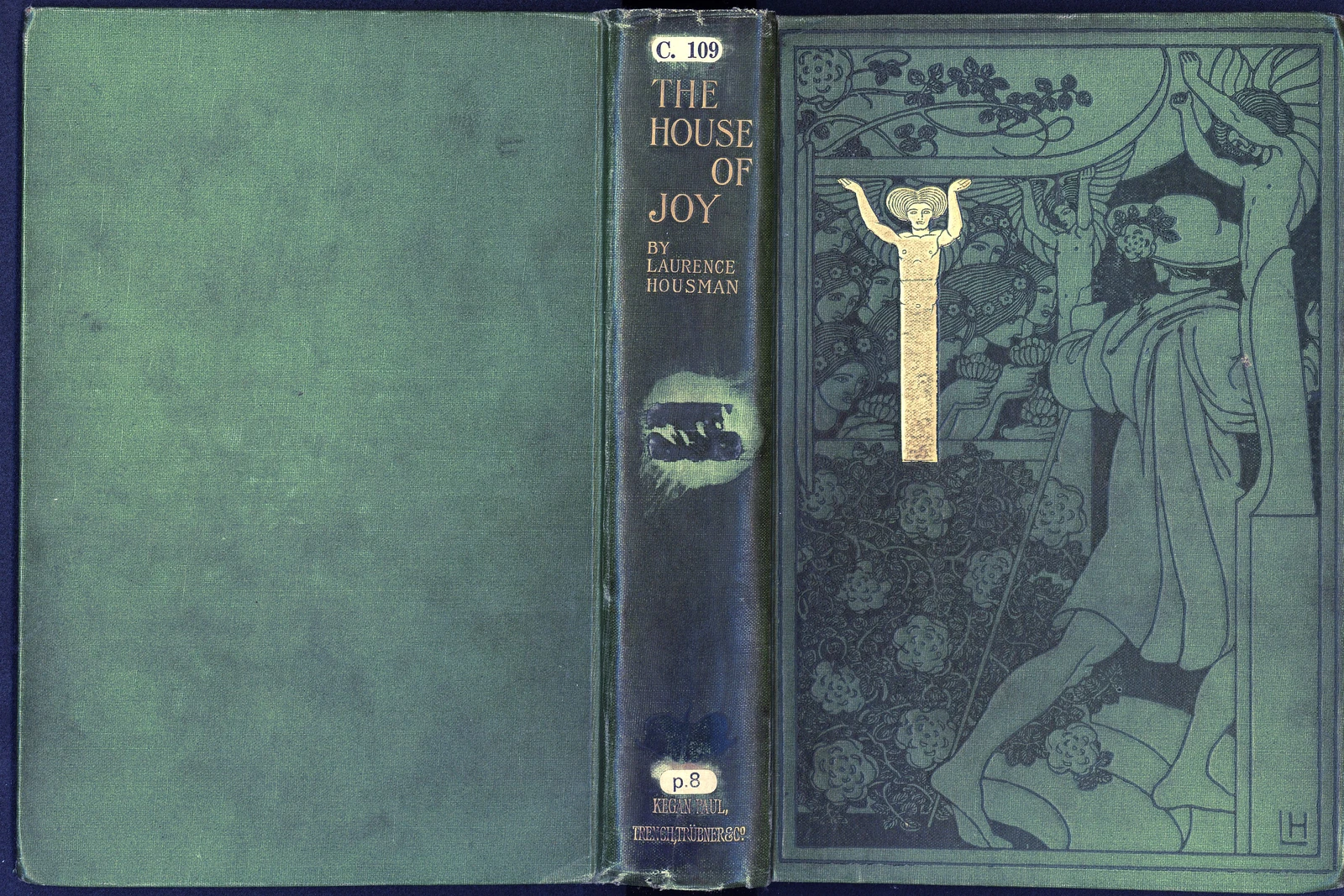
Cloth changed the way many nineteenth-century books presented themselves. A fabric covering could carry color, texture, lettering, and decoration across the boards, turning the outside of a book into a designed surface. The shift belongs to a larger story of changing production and publishing. It should not be simplified into a claim that cloth suddenly replaced every older binding or that every cloth-covered book was inexpensive. Examples differ by date, publisher, market, and the quality of their materials.
The Victoria and Albert Museum’s account of nineteenth-century bookbinding describes the growing use of cloth in trade bindings and the relationship between new production methods and changing design. The Library of Congress has also documented how mechanized case binding supported publisher-produced decorated covers in the middle of the nineteenth century. These sources place cloth within selected historical contexts rather than suggesting a single universal transition.[1][2]
What “publisher’s cloth” describes
A publisher’s cloth binding is generally understood as a binding made for commercial issue under the publisher’s direction, often with a cloth-covered case. The term points to production and distribution as well as to the visible textile. A collector examining an individual volume still needs evidence: a catalogue description, publisher’s record, binding design, edition history, or comparison with documented copies. Cloth alone cannot prove that the publisher supplied the binding when the book first appeared.
On the object, begin with the boards, spine, joints, and edges. Notice whether the cloth continues across the case, whether lettering is stamped into the cover, and whether the design appears on one or both boards. Record any paper labels, gilt elements, blind impressions, or printed decoration as separate features. The binding may have been rebacked or recased, so original and later components can coexist. Avoid treating every visible layer as a single untouched manufacturing moment.
Cloth as a designed surface
Fabric offered binders and publishers a broad surface for title lettering and ornament. Stamping and other finishing methods could repeat a design across multiple copies. This helped make the cover part of the book’s public identity: a reader could recognize a title or series before opening it. Decoration might be restrained or elaborate, and a design could combine cloth with a printed paper label, metallic tooling, or another material.
The appearance of the cover is evidence about design decisions, but it does not identify who personally executed each stage. A publisher, designer, binder, and manufacturer may all have contributed to a finished volume. Attribution requires documentation or close comparison, not a guess from style. The V&A’s examples show how bookbinding traditions adapted across the nineteenth century; one volume should be placed alongside its date, edition, and publishing context before a broader claim is made.[1]
Mechanization and repeatable cases
Case binding made it possible to prepare a cover separately and then attach it to a text block. Mechanized production in the nineteenth century supported larger runs of books, while publishers could specify cover designs for sale as part of the edition. The Library of Congress’s discussion of decorated publisher bindings connects the development of machine case production with the growth of these visually distinctive covers. The details varied across workshops and decades; “mechanized” does not mean every operation was performed by a machine.[2]
When examining a book, it is helpful to distinguish the case from the text block. Look at the joints where the boards open, the endpapers that connect case and text, and the spine covering. A gap or detached hinge may result from wear, adhesive failure, or an earlier repair. The binding’s commercial production does not make a present-day structural problem trivial. Any repair needs to account for the cloth, paper, thread, and condition of the book as a whole.
Reading wear without overdiagnosis
Cloth can become faded, abraded, stained, frayed, or detached. A rubbed corner may reflect shelf contact; a split joint may indicate repeated opening or a weakened attachment. Yet one sign rarely proves a single cause. Light, handling, storage, moisture, and earlier treatment can leave overlapping effects. Describe the location and appearance first, then state any interpretation as a possibility rather than a conclusion.
Look closely at areas of transition: the head and tail of the spine, board corners, hinges, and the edge of a paper label. These are places where different materials meet or where movement concentrates. Do not pick at a lifted cloth edge to discover what lies underneath. A photograph with even lighting and a short condition note can capture the evidence without extending a tear. If the cloth is actively detaching, support the boards and seek a qualified book conservator.
Care for the whole case
Store cloth-bound volumes upright when they are stable and supported by neighboring books, or flat when their size, weight, or condition makes shelving unsuitable. Use a book support during reading so that the boards are not forced back beyond their natural opening. Avoid pulling a volume from a shelf by its headcap; take hold of the boards or spine area without squeezing fragile decoration. The right storage position depends on the book’s format and condition, not simply on the presence of cloth.
Keep the cover away from prolonged direct light, damp conditions, and abrasive contact. Do not apply household cleaners, oils, or adhesives to improve the appearance. Stains may have different causes, and wet cleaning can affect dyes, sizing, and the paper beneath the fabric. A protective enclosure can reduce dust and handling, but it should not compress raised decoration or a damaged spine. Preventive care aims to reduce avoidable stress rather than restore a new appearance.
Decoration, commerce, and evidence
Publisher’s cloth bindings are useful to study because their covers combine material choices with communication. A title stamped on the spine, a repeated design, or a decorative panel can reveal how a book was intended to be seen and sold. But design evidence needs context. A later owner may have added a label, a library may have rebound the text, or a cover may have been replaced while preserving older endpapers.
When writing a description, separate what is visible from what a source records. “Blue cloth with a gold-stamped title and floral border” is an observation. “First edition publisher’s cloth binding” is a bibliographical conclusion that should be supported by a catalogue or specialist reference. This distinction lets readers appreciate the cover while keeping claims about its history accountable.
A useful way to look
Place the book on a support and view the front board, spine, back board, and opening structure in sequence. Note the cloth’s texture, the position of any stamping, and signs of repair. Compare the object with a reliable catalogue record where available, and remember that a binding can have a history of its own beyond the text it protects.
The nineteenth-century cloth case helped publishers coordinate manufacture and visual identity, but each book remains a specific object. Its cover can speak to changing trade practice, design, and readership without offering a complete story by itself. Careful description, source checking, and conservative handling allow that surface to remain useful evidence for future readers.
Sources
References below support the factual explanations in this article. Read each source within its stated scope and context.