
Conservation Notes · FIELD NOTE 45
Temperature and Relative Humidity: Stable Conditions for Books
Why do conservators track both temperature and relative humidity?
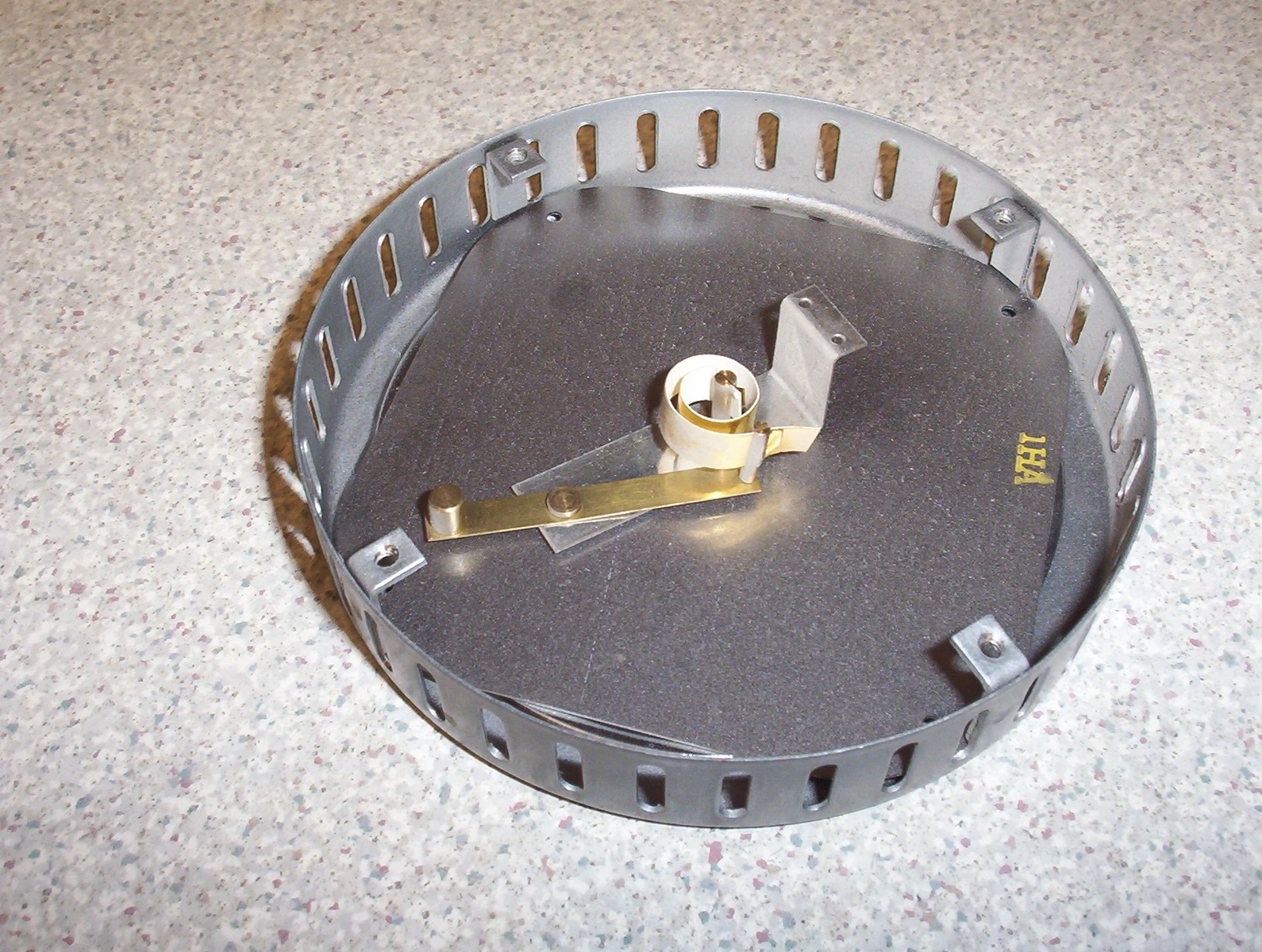
Temperature and relative humidity are often discussed together because they shape the environment around books and paper. Relative humidity describes how much water vapour is in the air compared with the maximum it could hold at that temperature. A change in either variable can affect materials, but the impact depends on the object’s components, condition, history, and setting. There is no single number that safely describes every collection or every book.
The Canadian Conservation Institute explains that climate decisions in heritage institutions must balance collection needs, people, buildings, and energy use. Its guidance says a climate specification cannot be generalized accurately because risks vary by materials and circumstances. It also notes that current museum climate guidance moved away from a universal 50 percent relative humidity and 20°C target. That institutional context is a reason to seek object- and collection-specific advice rather than copy a target from a chart.[1]
Why books respond to climate
Books combine paper, leather, cloth, wood, metal, ink, pigments, and adhesives. These materials do not all react in the same way. Some absorb or release moisture; others corrode or become brittle under particular conditions. The Canadian Conservation Institute notes that a single object can contain components with conflicting climate requirements. A mixed collection can therefore require compromise rather than one ideal temperature and humidity for every item.[1]
Relative humidity changes can contribute to expansion and contraction in responsive materials. When components are joined, a movement in one layer can place stress on another. Existing cracks, uneven thickness, weak attachments, and repairs can affect how that stress appears. A change in the room’s readings should be interpreted with the object and its location in mind; a number alone does not diagnose the cause of damage.
Stability is more useful than chasing precision
Short-term swings and long-term averages are different questions. The Canadian Conservation Institute distinguishes among outer danger limits, annual baselines, seasonal adjustments, and short-term fluctuations. It emphasizes risk management and local conditions. A small room sensor can help identify trends, but it cannot represent every shelf, wall, or enclosure. Sensors should be placed and interpreted according to the collection setting, with calibration and recording practices that suit the purpose.
For household collections, practical prevention often begins with avoiding obvious extremes: damp basements, hot attics, radiators, exterior walls with condensation, and direct sunlight. Do not move a volume abruptly from cold storage into a warm room without following collection guidance. If the book has a parchment or vellum binding, the Library of Congress notes that relative-humidity changes can cause significant deformation, making gradual, stable conditions especially important for those objects.[3]
Use measurements as evidence
A single reading is a snapshot. A log over time can show whether a space follows daily cycles, seasonal patterns, or a sudden change. Record the time, location, instrument, and any nearby heating, cooling, or water event. If a book shows a new distortion, note where it was stored and when the change was noticed. These facts help a conservator or facilities specialist assess the situation more effectively than a statement that the room “felt dry.”
Temperature and relative humidity sensors require thoughtful placement. A reading directly beside a vent, window, humidifier, or outside wall may not represent the shelf where the books are stored. Avoid attaching sensors to an object or placing them so they touch a binding. In a collection, use multiple locations when resources permit and treat the results as part of a larger risk assessment, not as a test that an individual book has passed.
Enclosures and local conditions
A box or closed cabinet can reduce dust, light, and the speed at which an object responds to room changes. The Canadian Conservation Institute discusses enclosures as part of climate and risk management, while stressing that their effect depends on the building and collection context. An enclosure is not a substitute for a dry, clean, safe location. If moisture is trapped inside, it can create a different risk than the one it was meant to solve.[1]
Choose a box that supports the book without squeezing the boards or projecting fittings. Label it so the object can be found without repeated handling. If a volume is actively damp, musty, or showing suspected mold, do not seal it into a box without specialist advice. Separate the item from other materials where safe, minimize disturbance, and follow local health and collection-care guidance.
Do not make a room more humid by guesswork
Placing a bowl of water near books or running a domestic humidifier may seem like a direct fix for low humidity, but it can create uneven moisture and condensation. Raising humidity can also support mold growth if conditions remain damp. The Canadian Conservation Institute notes that mold can grow under sufficiently high relative humidity and recommends assessing climate in context. A visible change in a book should not be “corrected” by wetting or humidifying the object itself.[1]
If a monitored space has repeated extreme readings, investigate the building conditions and consult a preservation professional. Check for leaks, condensation, blocked drainage, and equipment failures. In an institution, climate changes should be coordinated with facilities staff and conservators. In a home, relocating books away from a clear source of heat or moisture may be safer than adding equipment that is difficult to monitor.
Climate is one risk among several
Preservation planning should consider fire, water, physical forces, pollutants, pests, light, and handling as well as temperature and humidity. The Canadian Conservation Institute cautions that incorrect climate is one risk among many and that its importance differs among institutions. This framing helps prioritize a practical intervention. A reliable roof, clean shelving, and a well-fitted box may reduce immediate risks more effectively than expensive climate control in a room with no monitoring plan.
For a valued book, document the current conditions and any visible changes before making decisions. Ask a conservator whether the item needs an enclosure, different placement, or collection-level environmental action. Climate recommendations change with collection needs and professional standards, so consult the latest institutional guidance rather than relying on a remembered “ideal” from an unrelated setting.
A stable plan for books
Good climate care is a system: understand the materials, observe the environment over time, reduce sudden extremes, and review the risks that matter most. The Canadian Conservation Institute’s framework makes clear why no universal set point can cover every object. The Library of Congress’s research on vellum offers a specific example of a material whose response can be pronounced.
For everyday care, choose a clean, dry, moderate location away from leaks, direct sun, and heat sources. Keep records of persistent problems, and ask for specialist advice when materials are unusually sensitive or visibly changing. A measured, steady environment and a supported book are safer than dramatic adjustments based on one reading.
Sources
References below support the factual explanations in this article. Read each source within its stated scope and context.