
SECTION
Binding Structures
How books are folded, sewn, covered, and made to move.
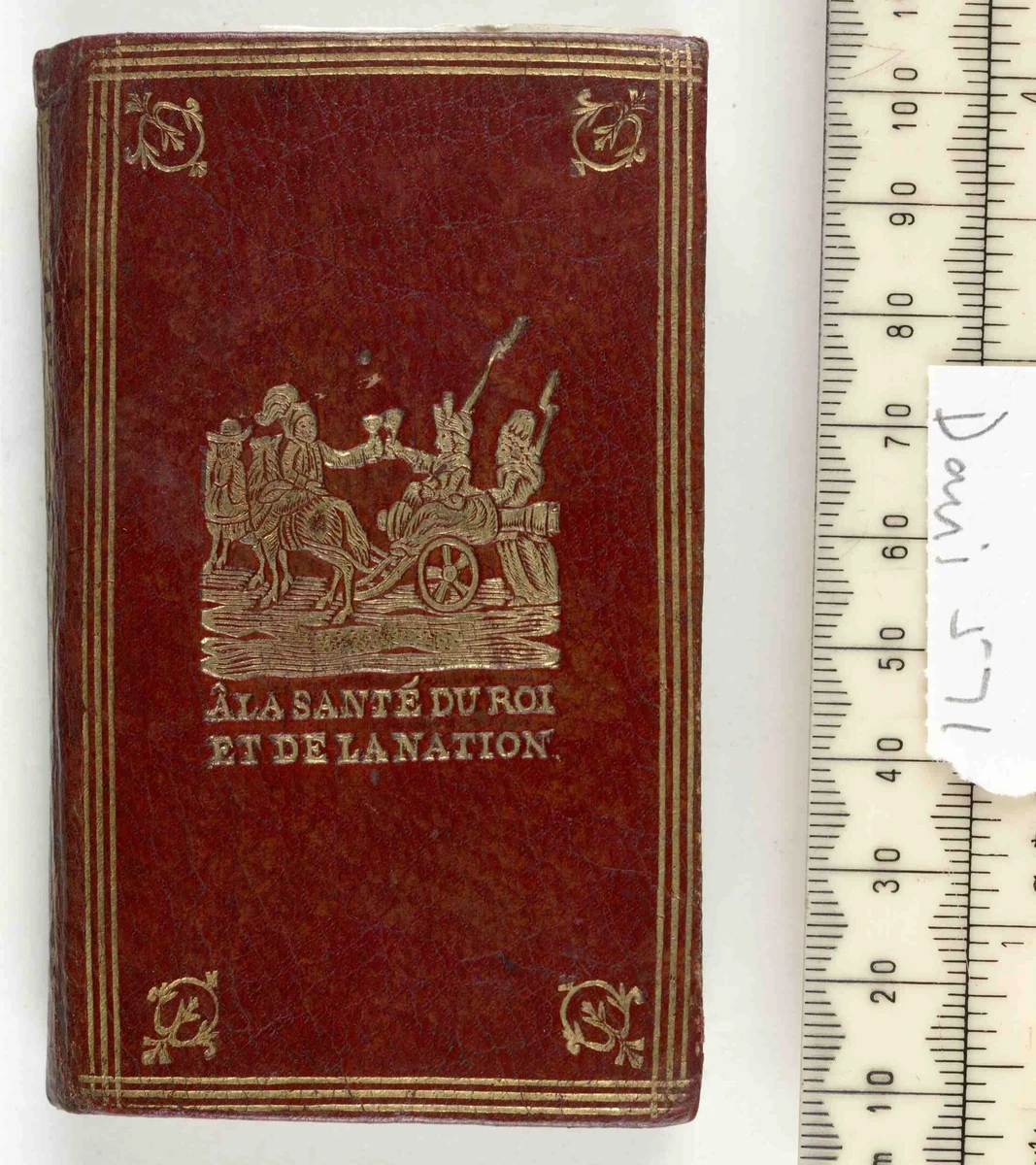 Binding Structures · 01
Anatomy of a Case Binding
A hardback can look solid while relying on several flexible connections. This guide separates the text block, case, and the joint between them, then shows how boards, spine, and endpapers relate as the book opens. Learn what those visible parts can reveal—and why appearance alone is not a repair diagnosis.
Read field note → Binding Structures · 02
Signatures: Reading a Book as Folded Sections
How can I tell how a book was assembled?
Read field note →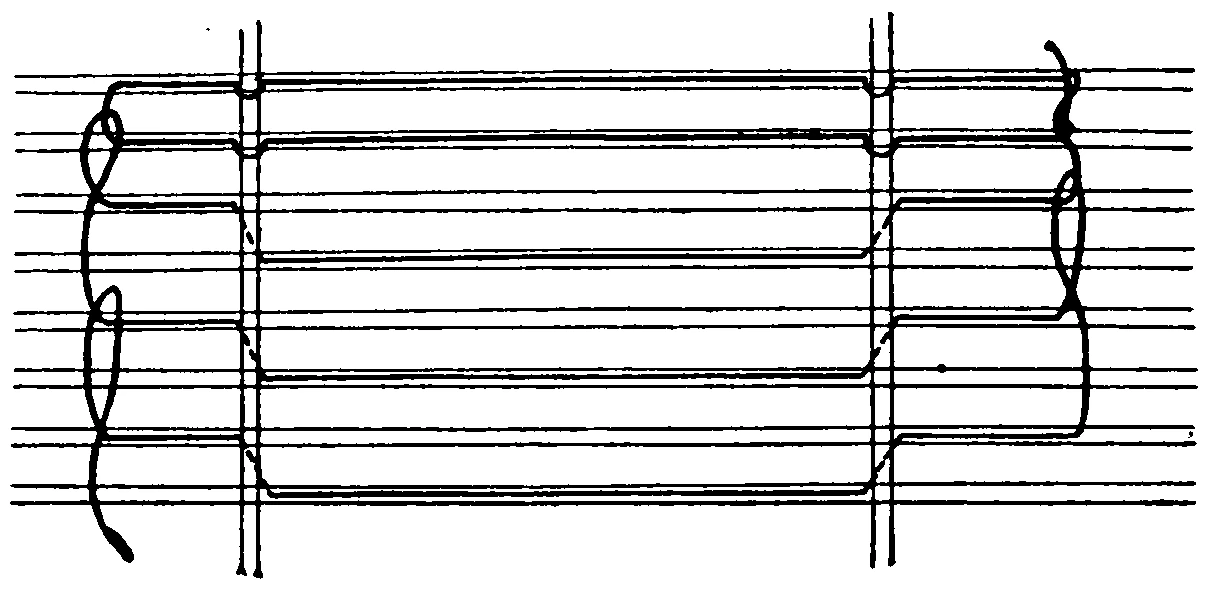 Binding Structures · 03
Sewing Supports and the Work They Do
Why do some old books have cords or tapes across the spine?
Read field note →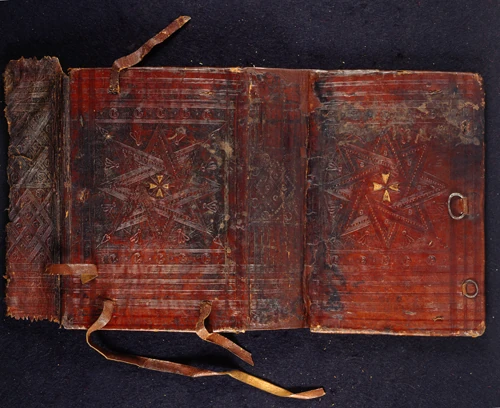 Binding Structures · 04
Coptic Chain Stitch: What the Exposed Pattern Reveals
What makes a Coptic-bound book open so freely?
Read field note →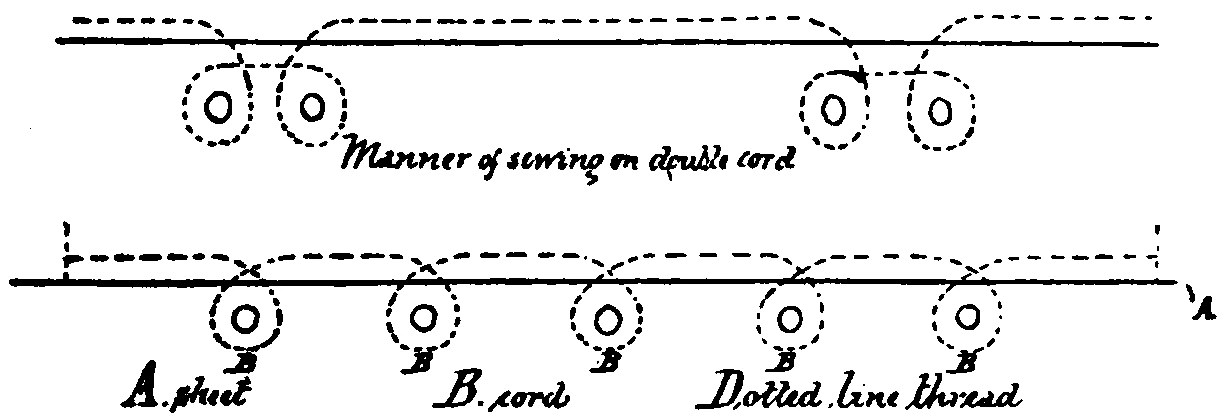 Binding Structures · 05
The Pamphlet Stitch as a Compact Binding Structure
When is a simple sewn booklet structurally appropriate?
Read field note →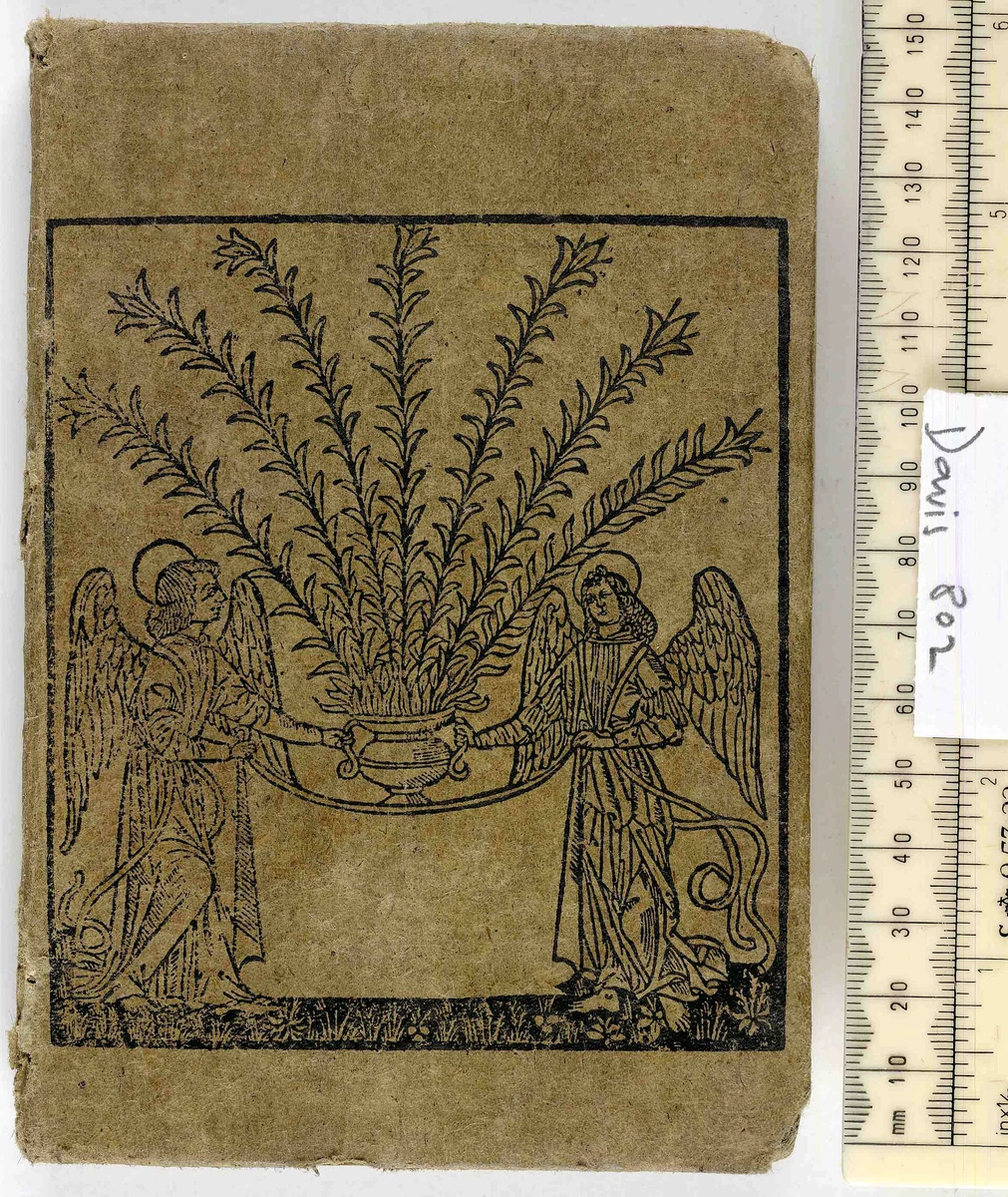 Binding Structures · 06
Long-Stitch Bindings: Sewing Through the Cover
How does a long-stitch binding differ from a case binding?
Read field note →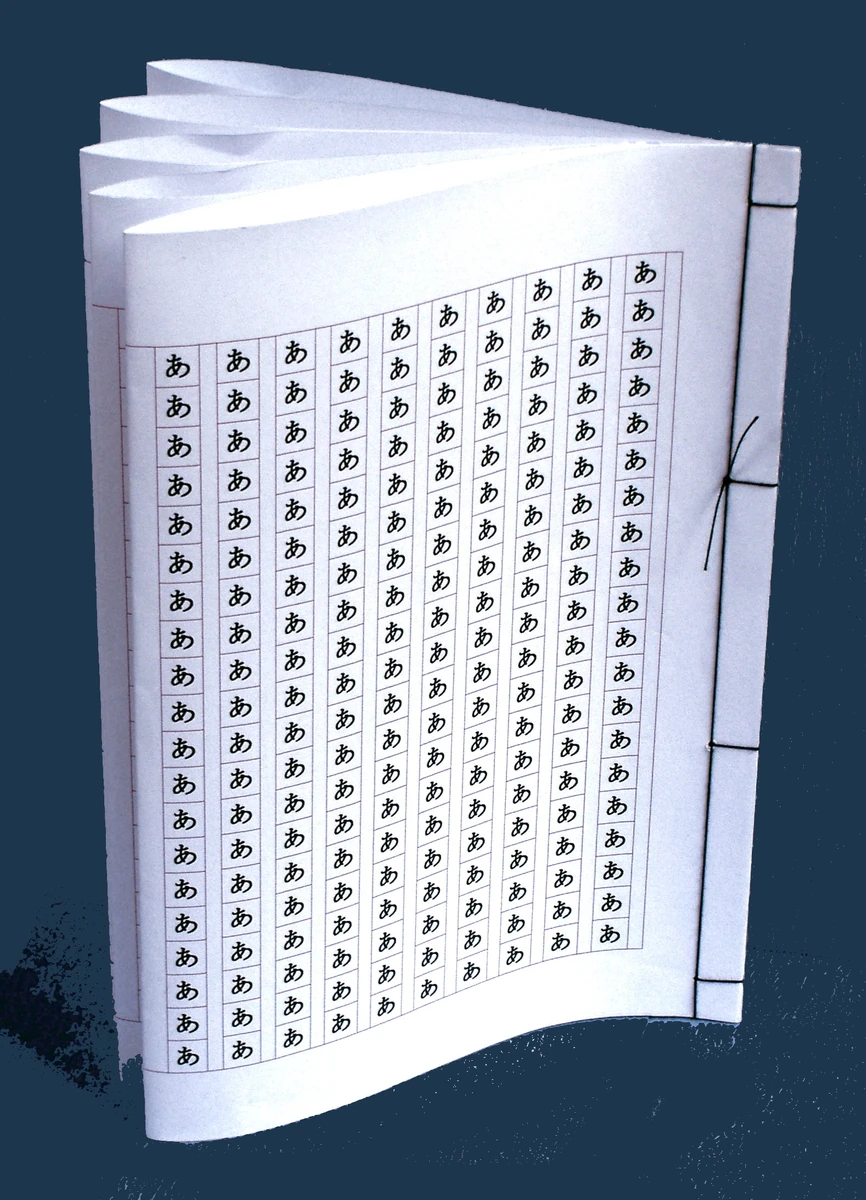 Binding Structures · 07
Japanese Stab Bindings and the Limits of Opening
Why do Japanese stab-bound books open differently?
Read field note →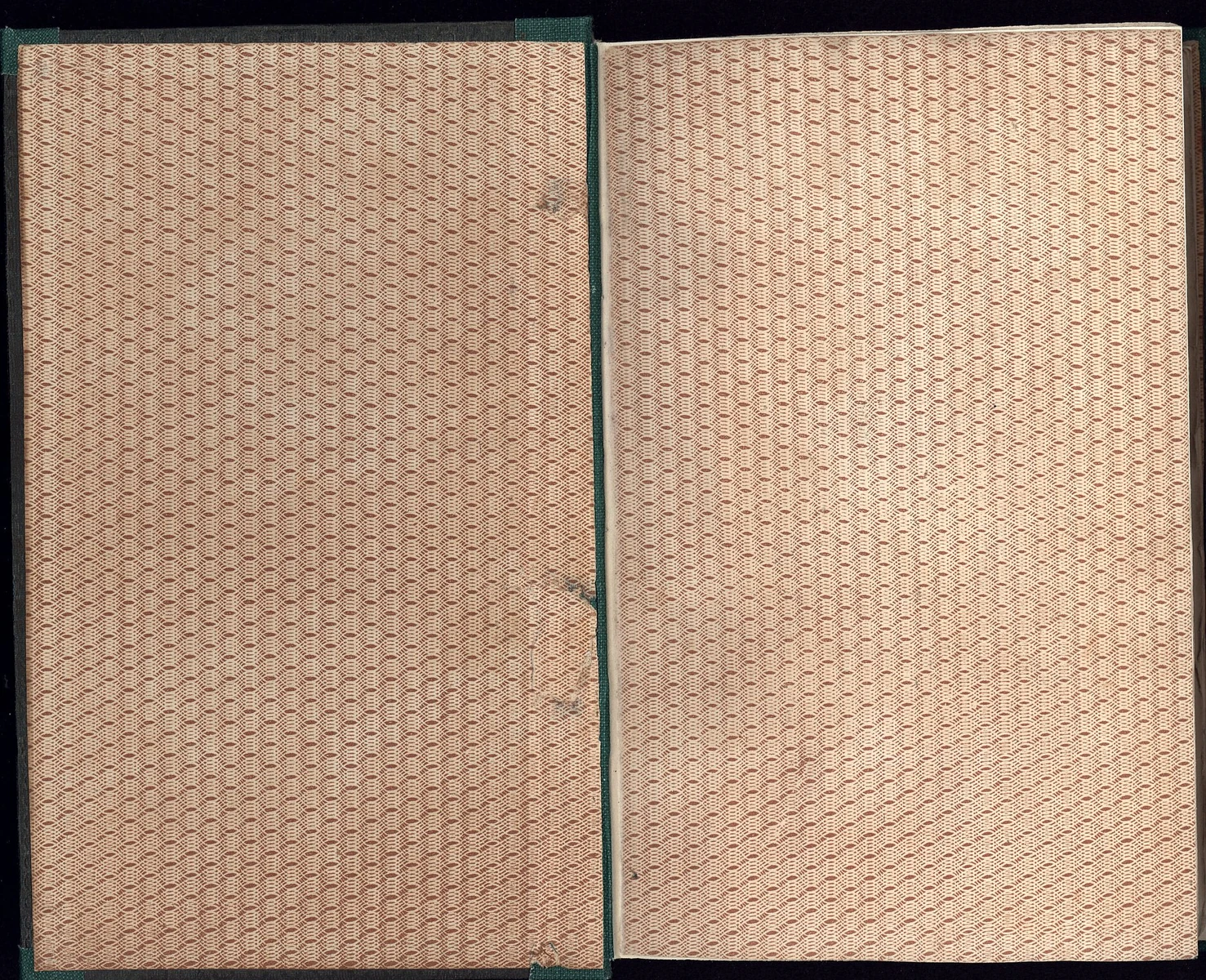 Binding Structures · 08
Endpapers: The Quiet Bridge Between Board and Text
What are endpapers for besides decoration?
Read field note →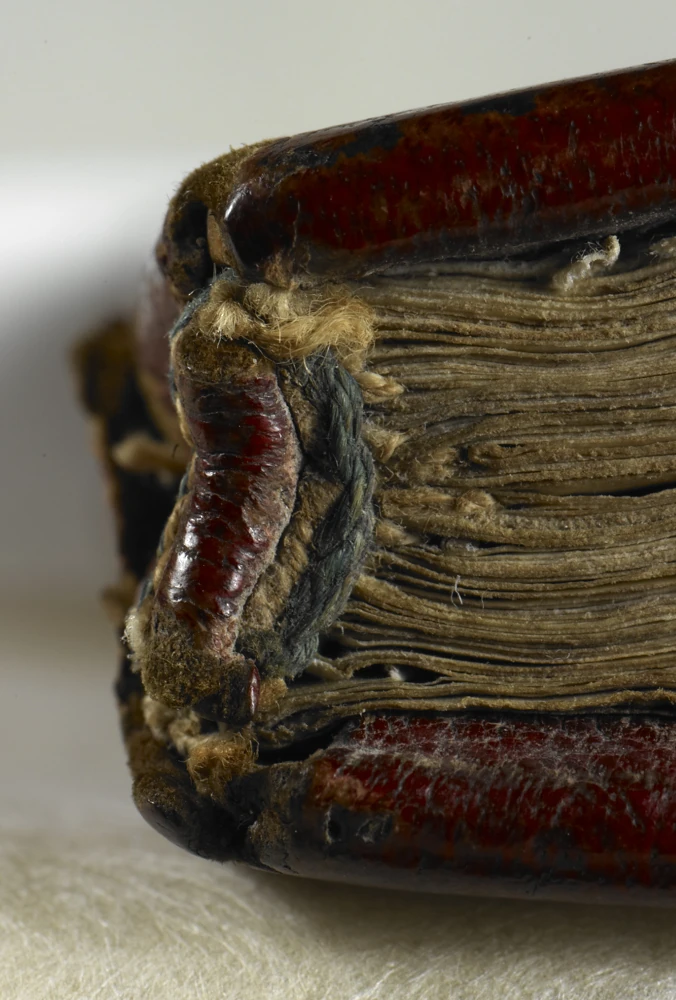 Binding Structures · 09
Headbands: Structure, Signal, and Edge Protection
Are headbands functional or only decorative?
Read field note →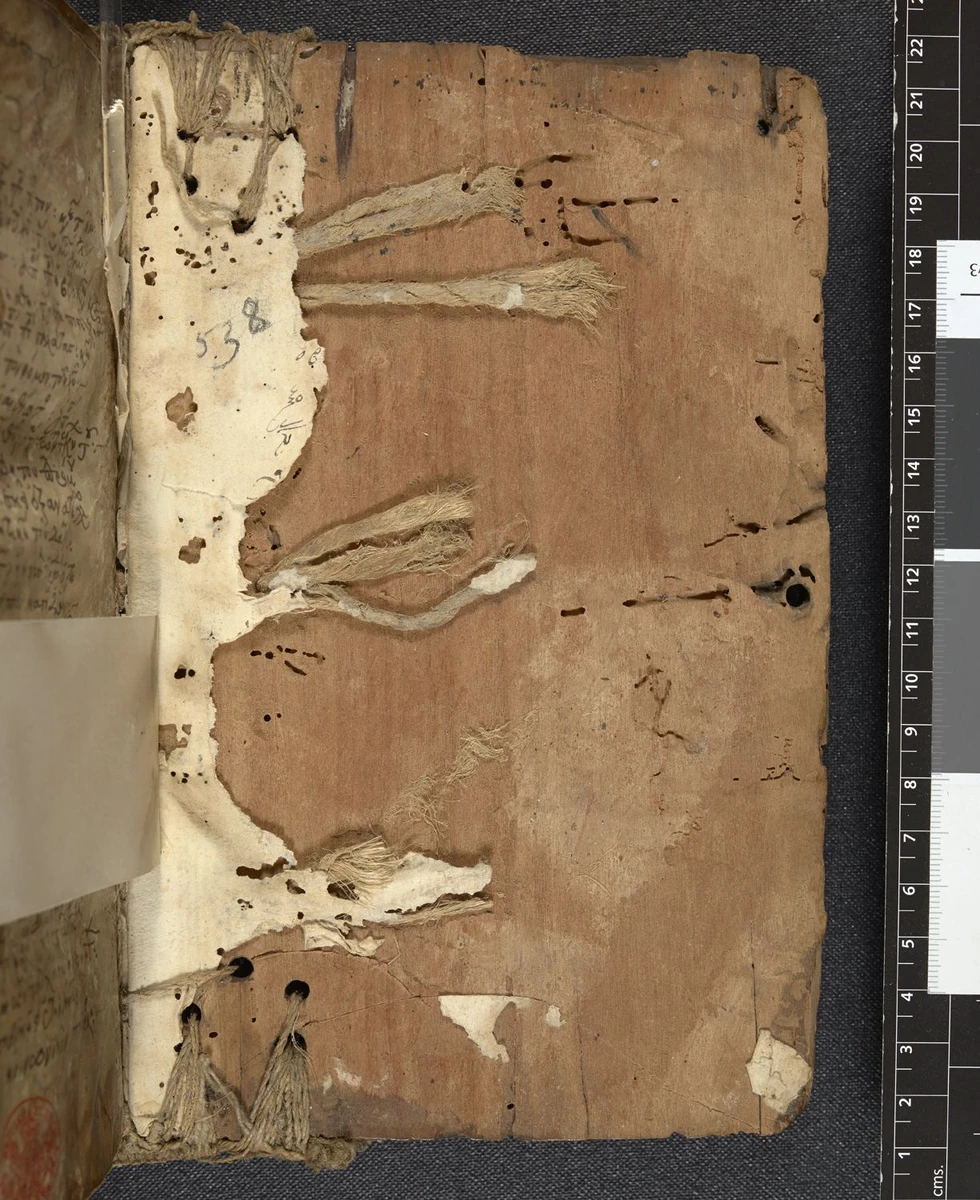 Binding Structures · 10
Spine Linings: Layers That Shape a Book's Motion
What sits under a book's spine covering?
Read field note →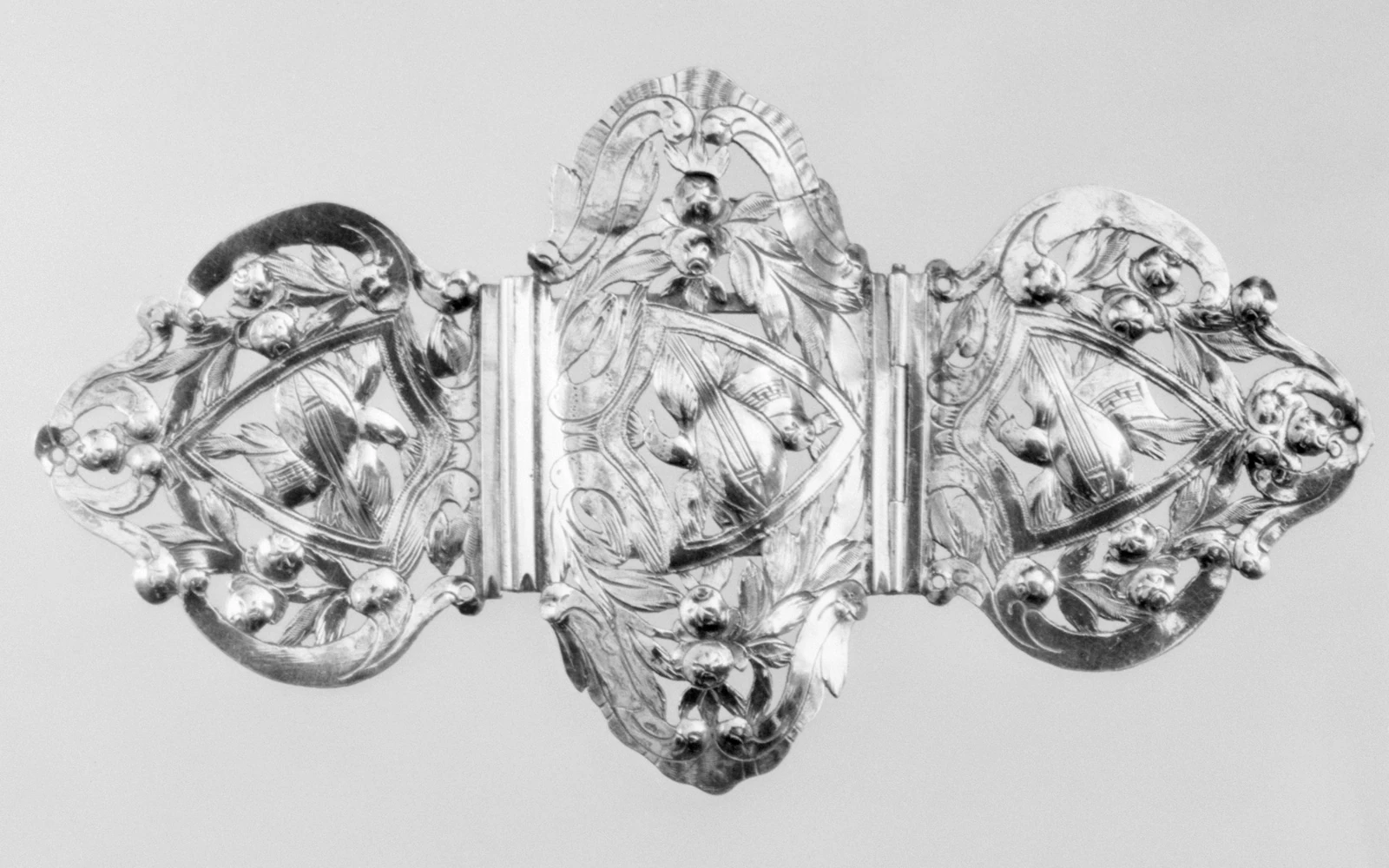 Binding Structures · 37
Clasps and Straps: How Fastenings Helped Keep Books Closed
Why did some books use metal clasps, leather straps, or ties?
Read field note →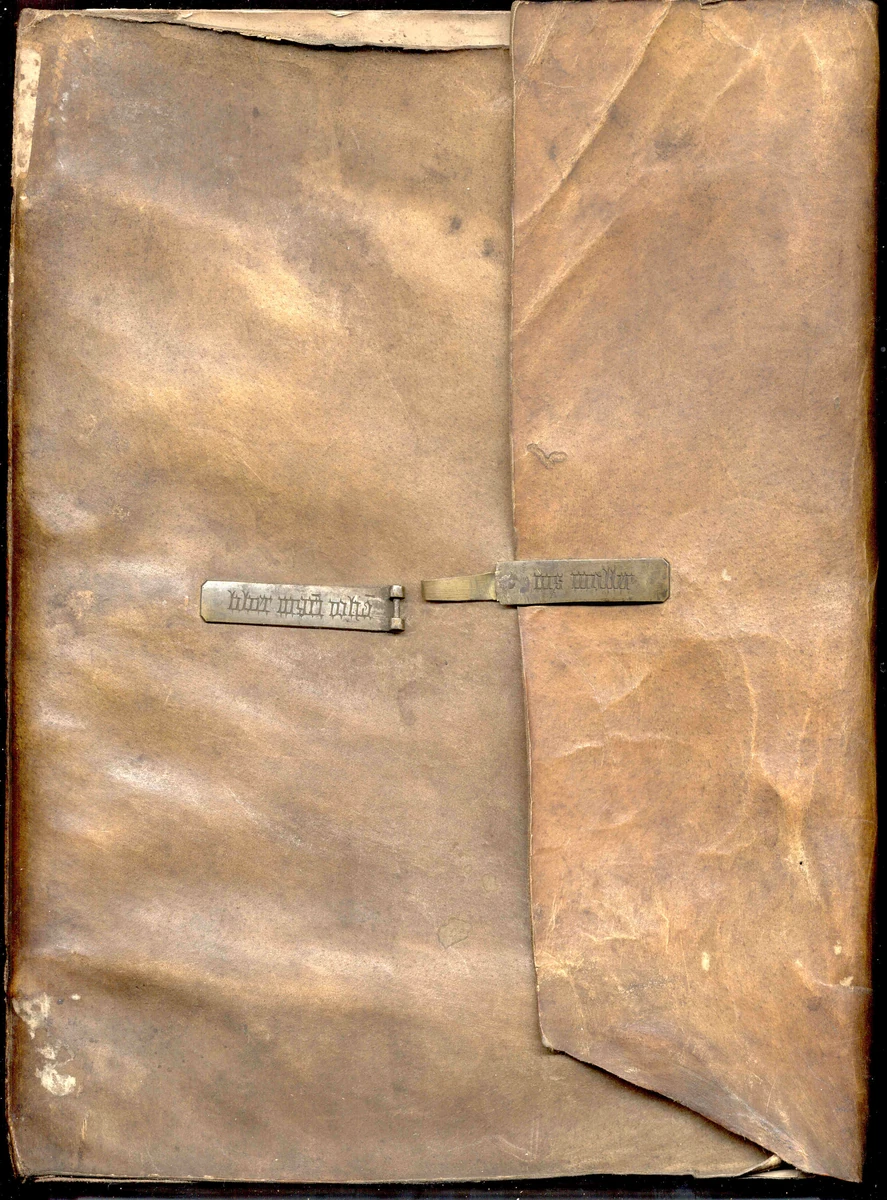 Binding Structures · 38
Limp Vellum Bindings: Flexible Covers, Laces, and Use
What makes a limp vellum binding different from a board binding?
Read field note →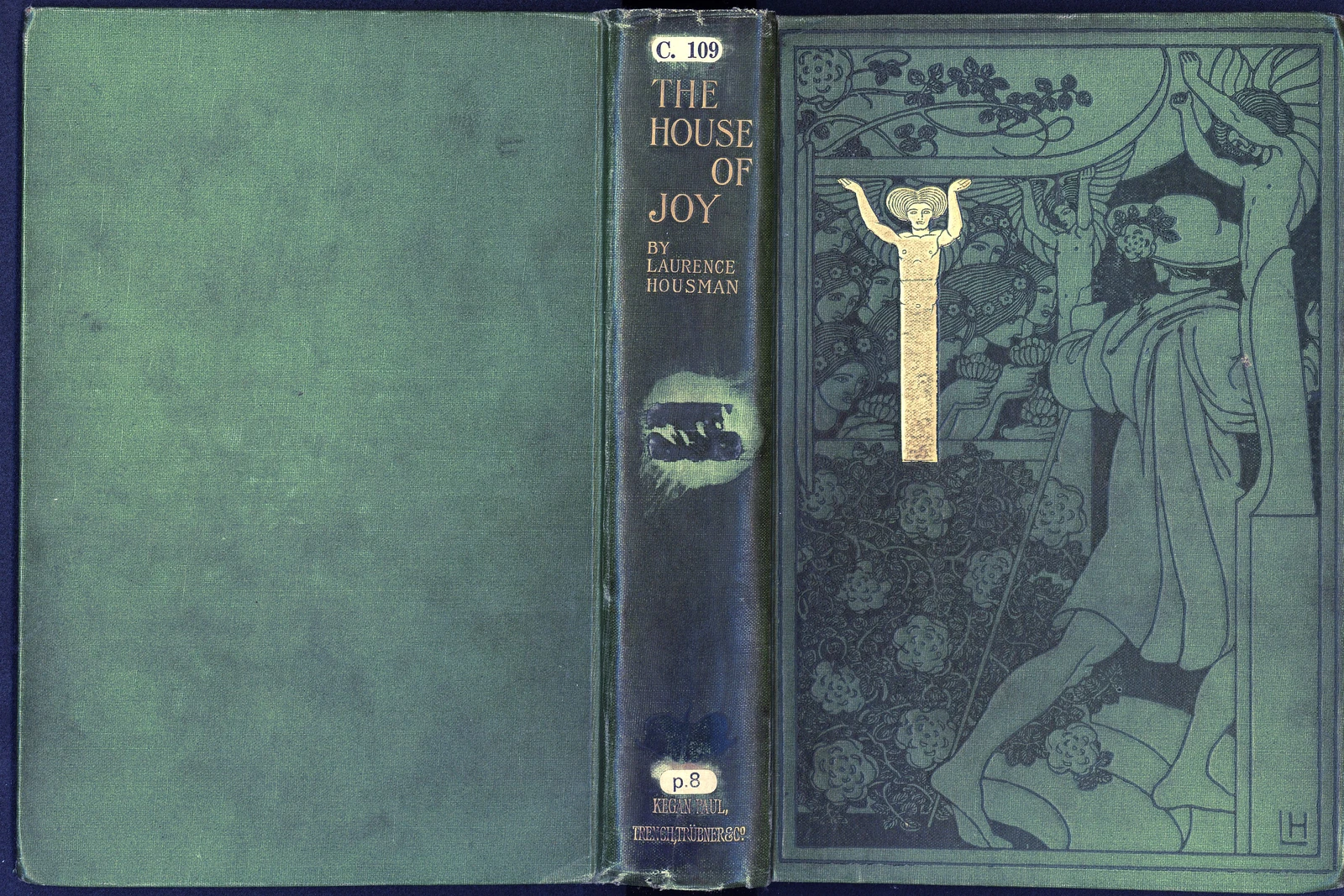 Binding Structures · 39
Publisher’s Cloth Bindings: How the Cover Became a Mass-Market Surface
How did cloth change the look and production of nineteenth-century books?
Read field note →