
SECTION
Conservation Notes
Preventive care and the point where specialist help matters.
 Conservation Notes · 26
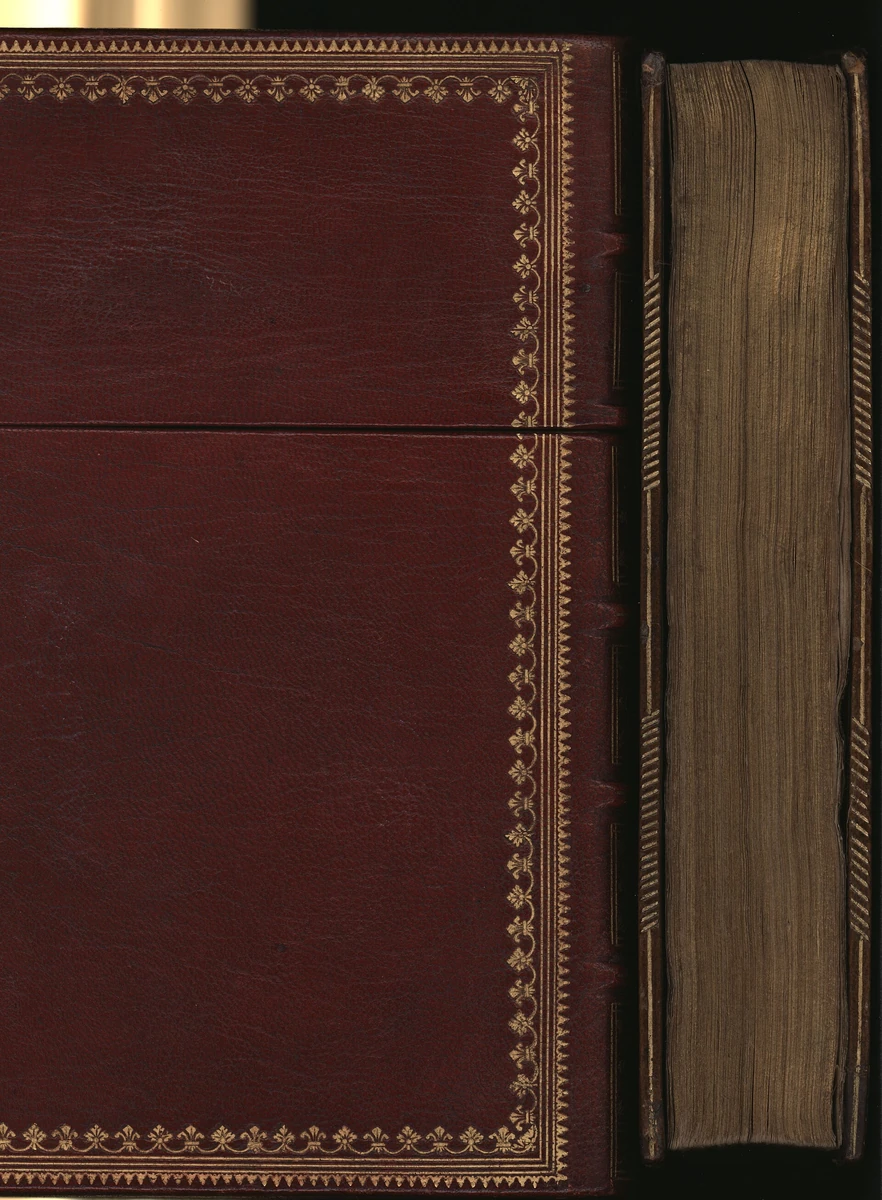
Storage Boxes: Giving a Book Its Own Micro-Environment
An enclosure can reduce dust and light exposure, keep loose parts together, and make a vulnerable book easier to move. It cannot correct a damp room, repair a damaged structure, or guarantee stable conditions. This guide connects those limits with fit, materials, and retrieval so the box solves a real handling problem.
Read field note →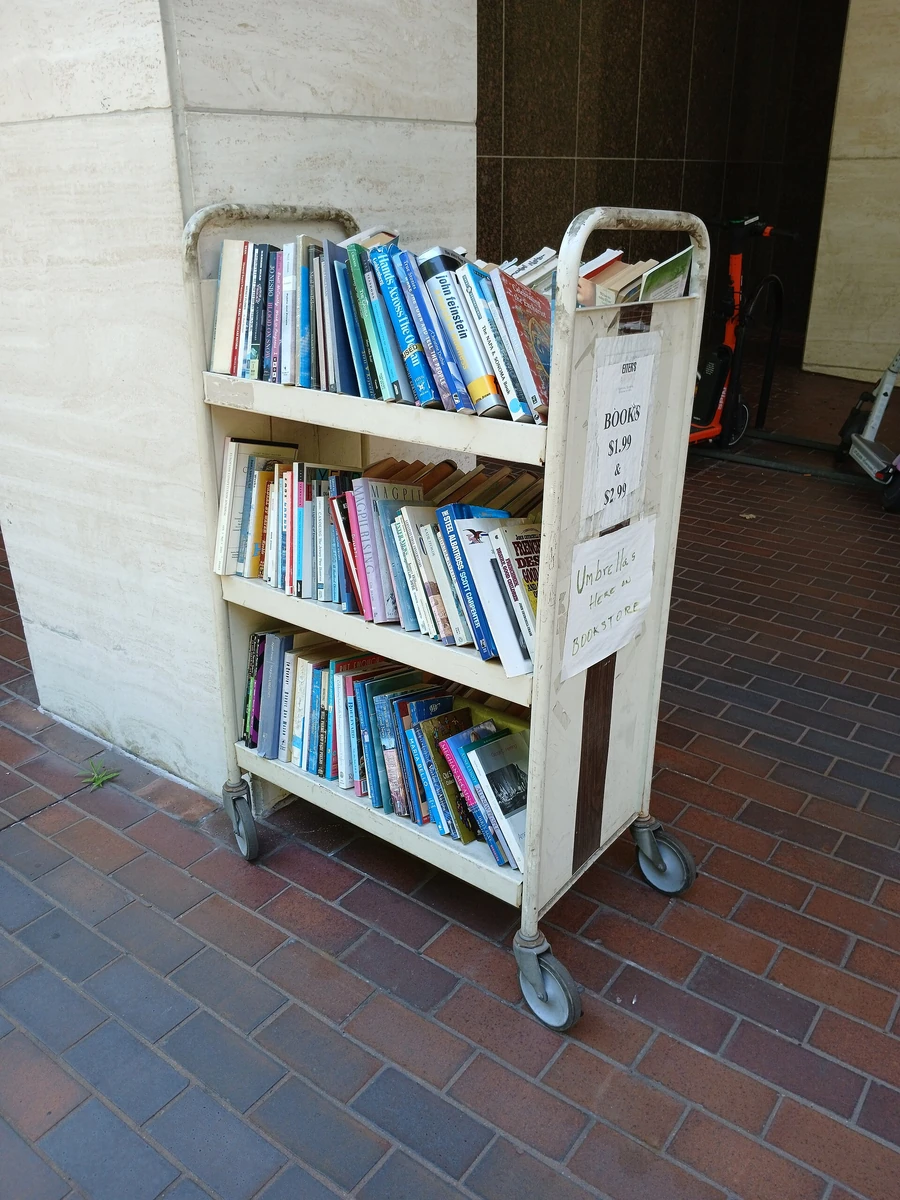 Conservation Notes · 27
Shelving Books Without Pulling at the Headcap
What is the safest way to remove a book from a shelf?
Read field note →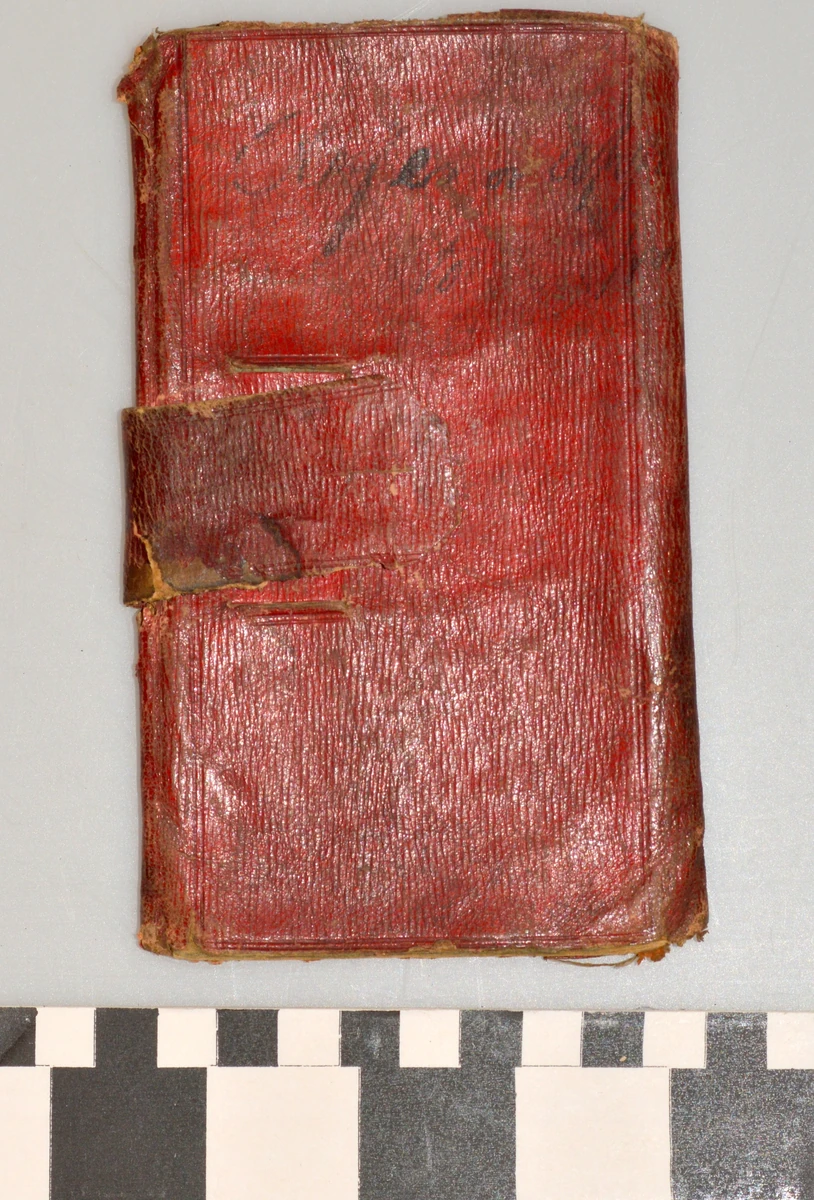 Conservation Notes · 28
Red Rot: When Leather Surfaces Turn Powdery
What should I do if a leather binding leaves red dust?
Read field note →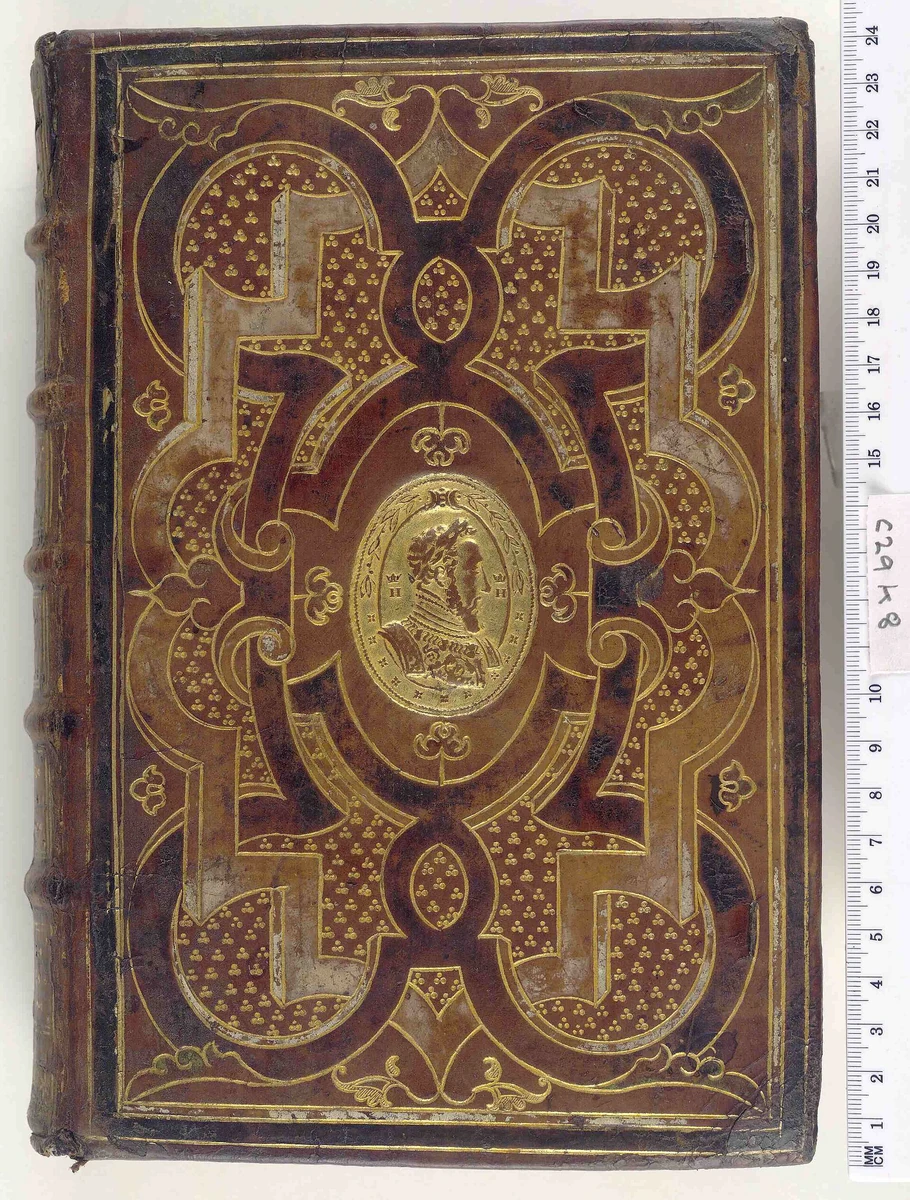 Conservation Notes · 29
A Detached Cover Is a Structural Question
Should I glue a detached book cover back on?
Read field note →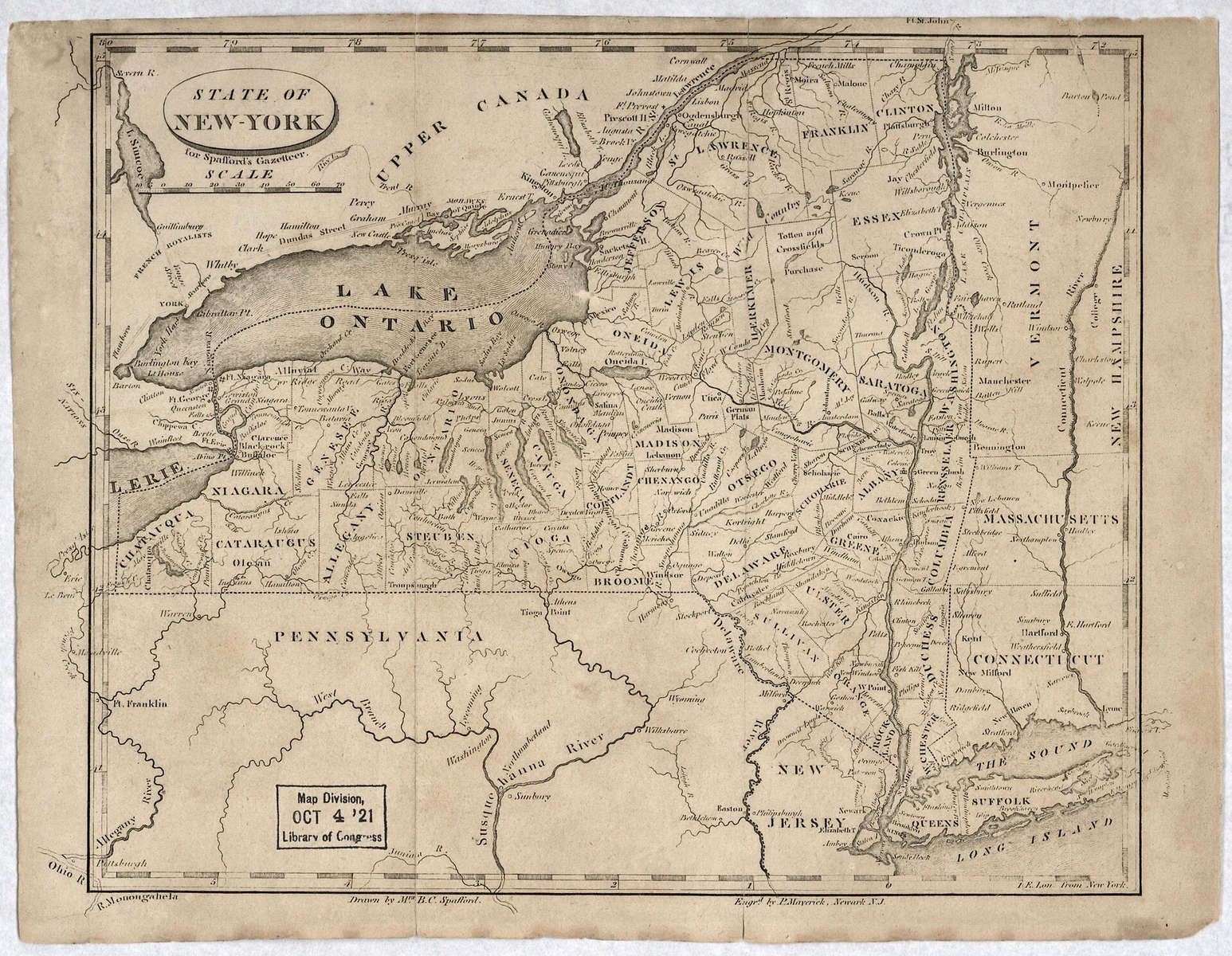 Conservation Notes · 30
Brittle Paper: Choosing Support Over Repair
How should I handle pages that crack when turned?
Read field note →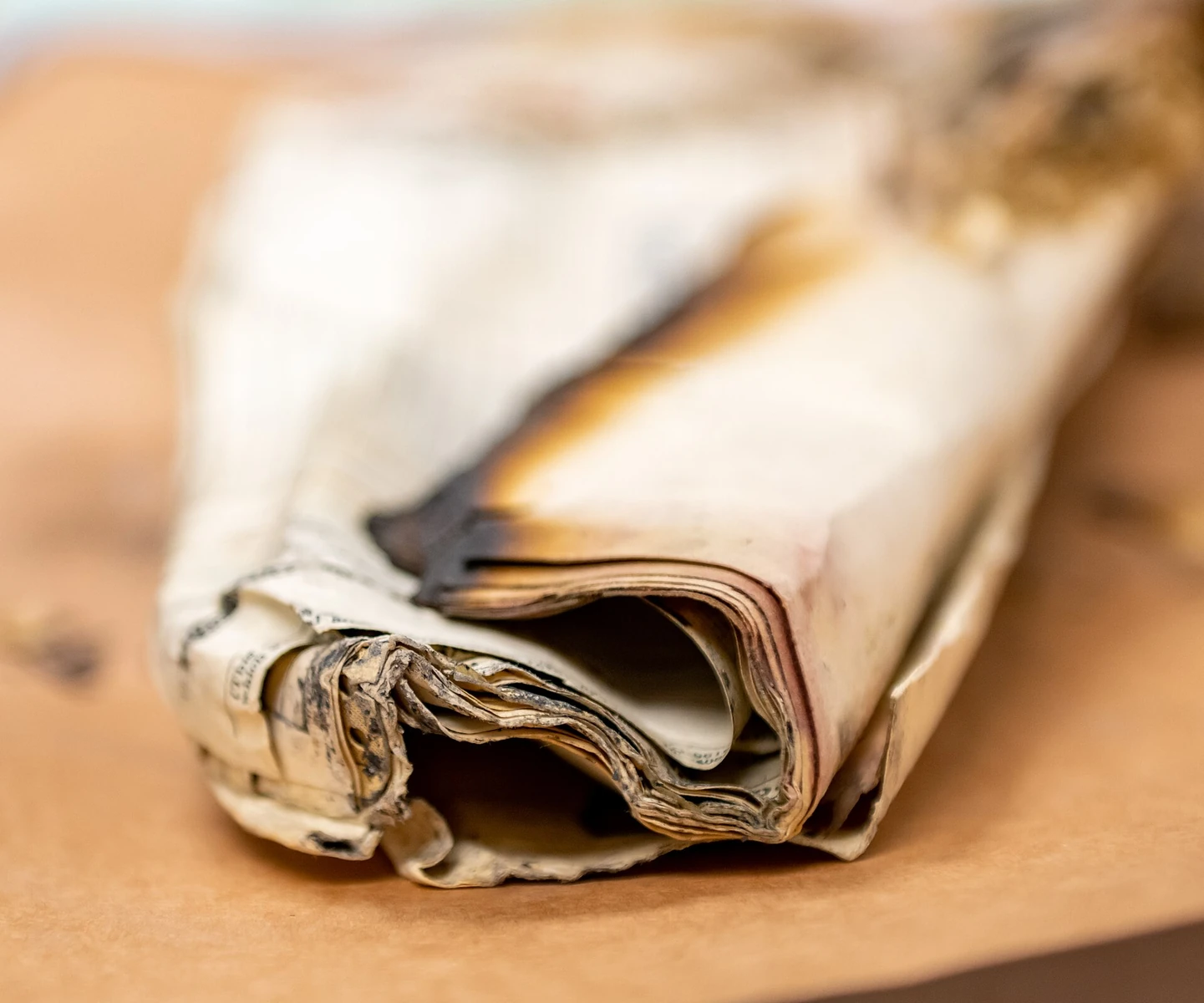 Conservation Notes · 31
Mold on Books: Recognize the Limit of DIY Care
What is the safe first response to suspected mold?
Read field note → Conservation Notes · 32
Light Damage: Why Display Is a Conservation Decision
Why do book covers and paper fade near windows?
Read field note →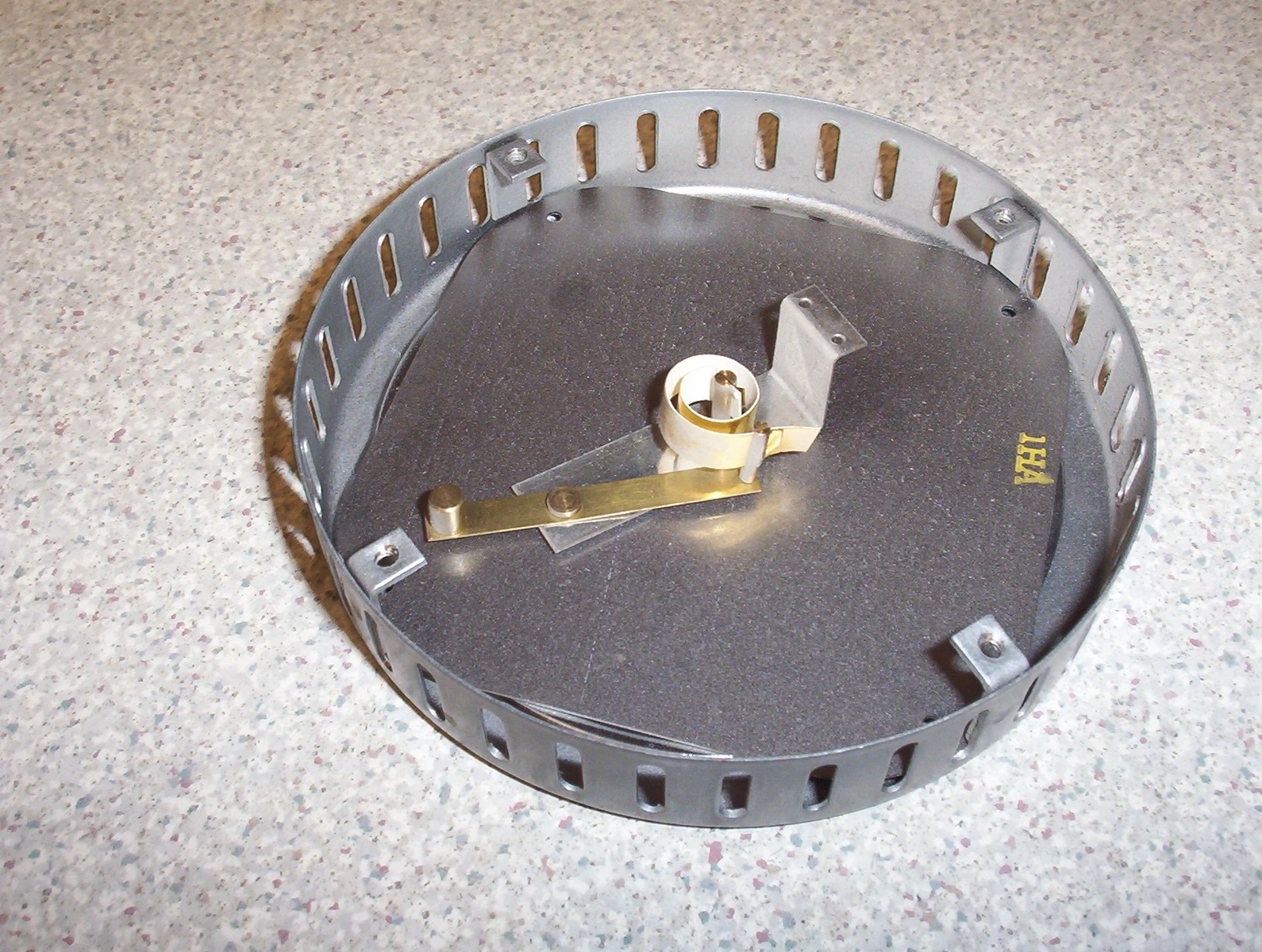 Conservation Notes · 45
Temperature and Relative Humidity: Stable Conditions for Books
Why do conservators track both temperature and relative humidity?
Read field note →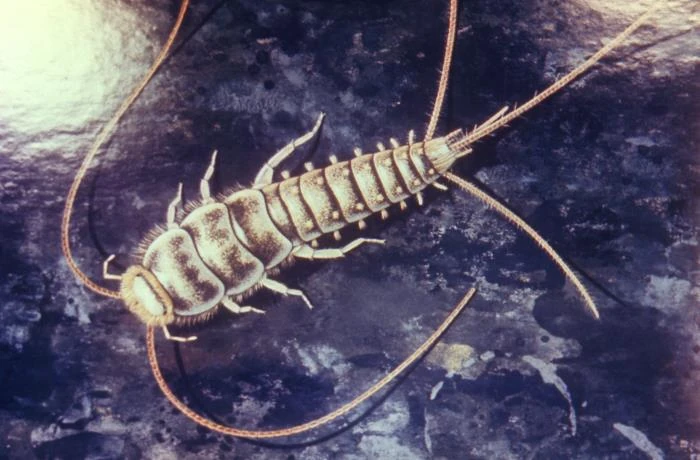 Conservation Notes · 46
Integrated Pest Management for Book and Paper Collections
What does integrated pest management look like in a library or archive?
Read field note → Conservation Notes · 47
Pressure-Sensitive Tape on Books: Why Old Repairs Are Hard to Reverse
Why can a strip of old repair tape become a conservation problem?
Read field note →